Mood Camera app brings film-like photography to iPhone shooting
Mood Camera tries to change how you shoot, not just how your photos look. Its film-like constraints feel closer to a point-and-shoot than a filter pack.
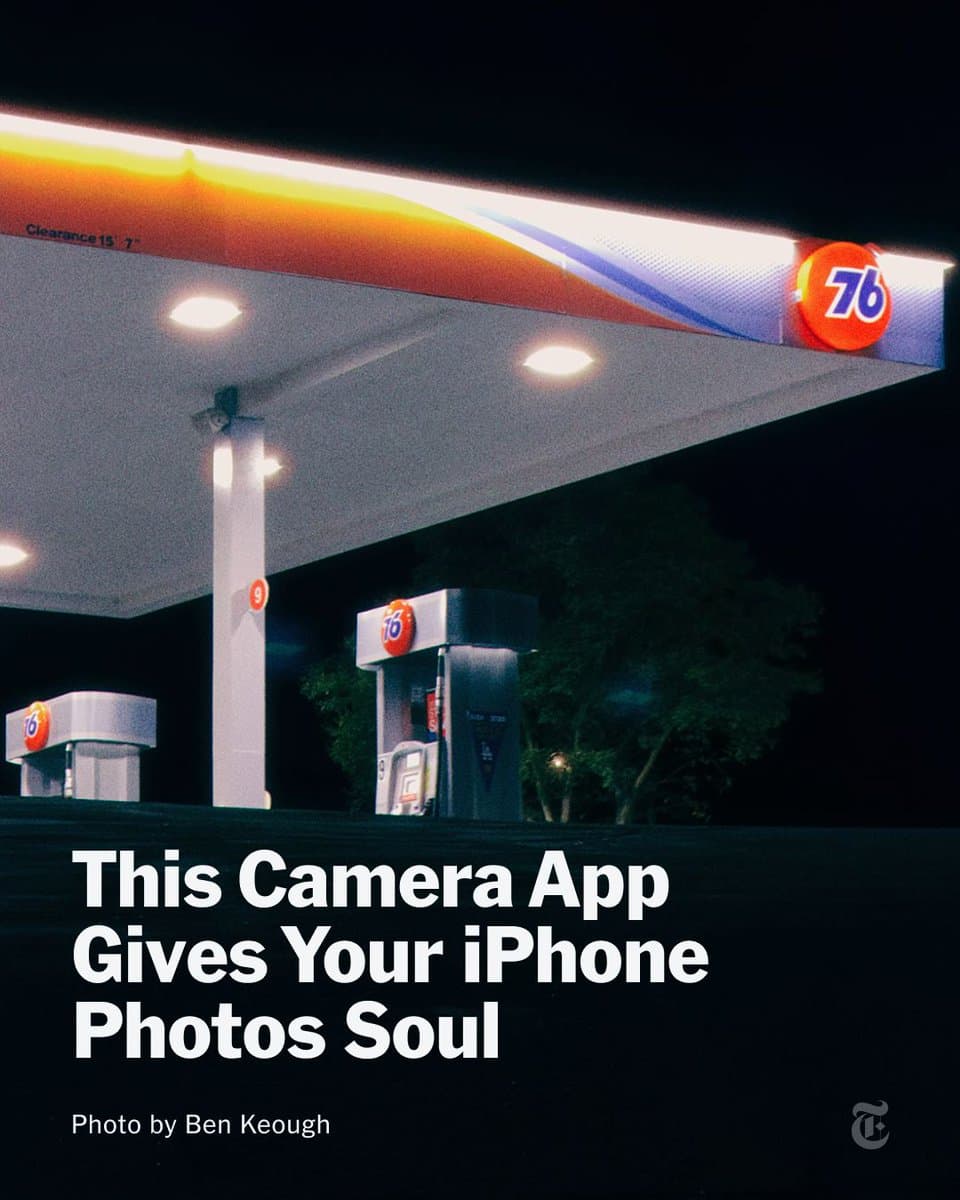
Mood.camera is trying to do something most iPhone photo apps never even attempt: change the act of shooting, not just the finish on the image. Photo expert Ben Keough says it can feel close to using a mirrorless camera or even film, and that is the real test here, because a filter alone does not change how you frame, wait, or commit to a shot.
What Mood Camera is actually built to do
Developer Alex Fox launched Mood.camera in April 2024 as an iPhone-only app built around film emulation rather than the usual after-the-fact filter workflow. It shipped with 14 film-like filters or emulations, but the bigger design choice was what Fox left out: there are no live filter previews and no in-app editing. That forces you to make the picture in the moment, then live with the frame you chose, which is a very different habit from the standard smartphone camera loop of shoot, tweak, and reshoot.
Fox has said he wanted to keep users focused on the moment, and the app’s custom image-processing pipeline is meant to mimic film grain, halation, and a richer color palette. The effect is less about making every scene look “better” in a generic way and more about nudging your eye toward texture, mood, and exposure choices that feel closer to a compact film camera than a phone.
Why it feels different in the hand
PetaPixel described Mood.Camera as simple enough to use and noted that it works like a point-and-shoot app, with an exposure dial and a shooting flow that avoids applying filters to existing images. That matters because the app does not behave like a mobile editing suite wearing a retro skin. It behaves like a camera first, which gives it a stronger point of view than the usual preset-heavy app.
That design also explains why some photographers find it appealing beyond the novelty stage. If you already enjoy compact cameras, disposable-film restraint, or the discipline of getting the frame right before you press the shutter, Mood Camera offers a similar rhythm on an iPhone. Instead of endless options, you get a narrower lane and a clearer decision: shoot the scene as it is, then move on.
Who is most likely to enjoy the constraint
The app makes the most sense for photographers who already like a little friction in the process. Street shooters, casual documentarians, and anyone who misses the slower pace of point-and-shoot film cameras are the obvious fit, because the app rewards instinct and timing more than technical fiddling. Ben Keough’s enthusiasm for the app reflects that appeal, since the experience is interesting precisely because it feels less like a phone app and more like a dedicated camera.
It is also a good match for people who want their phone photos to look less clinical. Modern smartphone cameras often push toward hyper-sharp detail, aggressive noise reduction, and heavy processing that can flatten the mood out of a scene. Mood Camera pushes the other way, leaning into grain and analog texture so the image feels more made than computed.
The Portrait Mode update shows where the app is headed
In August 2024, Mood.camera added Portrait Mode, and Fox said the feature arrived after users asked for it. That update matters because portrait processing is one of the places where phones most obviously reveal their artificial side, with harsh cutouts and overly polished edges. Fox said the app’s film grain and analog artifacts help disguise that look, and PetaPixel said those textures do a good job of making the results feel more convincing.
That is a smart fit for the app’s overall idea. Instead of trying to outdo the iPhone’s computational portrait engines at their own game, Mood Camera uses its own visual language to soften the giveaway signs of smartphone processing. It is still a phone portrait, but one that borrows enough from film to make the seams less obvious.
How much momentum the app has
Fox’s development timeline suggests this was built with photographers in the loop from the start. TechCrunch reported that he began prototyping Mood.camera in October 2023, released a beta on Reddit early in 2024, and had photographers help refine it by taking more than 100,000 photos over two months. That kind of testing is part of why the app feels like more than a gimmick: the workflow was hammered on by people using it at camera-like volume.
The App Store listing gives a useful snapshot of reception too. Mood.camera had 456 ratings and a 4.8-star average, which points to a strong response among early users. The same listing says the app offers a 7-day free trial, then limits non-paying users to a random emulation mode unless they buy a lifetime membership or monthly subscription.
Where it still falls short of a real camera
Even if Mood Camera meaningfully changes the shooting experience, it does not replace carrying a real camera. A mirrorless body still gives you more control over lenses, autofocus behavior, sensor size, burst shooting, and low-light performance, and those things matter the moment the scene gets difficult. Mood Camera is strongest when the appeal is style plus discipline, not when the job demands absolute flexibility or the best possible files.
That is the clearest dividing line for buyers. If you want an app that makes your iPhone feel more intentional and less like a post-production device, Mood Camera fits that brief cleanly. If you want the freedom to shape every variable of capture, a dedicated camera still wins, because no iPhone app can fully undo the limits of shooting through a phone sensor and a phone workflow.
Why the app lands now
Mood.camera also taps into something bigger than one developer’s aesthetic. The renewed appetite for analog photography has made grain, halation, and constrained shooting feel fresh again, especially for people who are tired of overprocessed smartphone imagery. Fox built the app around that nostalgia, but the result is not just retro style for its own sake.
The real value is that Mood Camera makes the phone behave a little more like a camera with a point of view. It will not turn an iPhone into a mirrorless body, but it can change how you see, how you hesitate, and how you commit, and that is enough to make the app matter to photographers who want their phone to do more than just filter the world after the fact.
This article was produced by Prism’s automated news system from verified source data, official records, and press releases, then run through automated quality and moderation checks before publishing. The system is built and supervised by the people who set the standards it runs under. Read our full AI policy.
Did this article answer your question?