Neewer Q120 review: affordable 120Ws flash challenges daylight outdoors
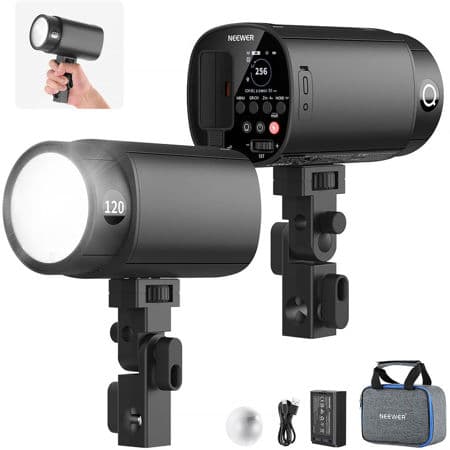
Neewer’s Q120 brings 120Ws, TTL, HSS, and a 3000mAh battery into a $219.99 portable flash built to fight daylight without jumping to pro-sized lighting.

At $219.99 and with 120Ws on tap, Neewer’s Q120 is aimed at photographers who want real flash power without dragging around a full-size monolight or spending like a working pro. In his June 24 review for The Phoblographer, Chris Gampat used it for location portraits, quick setups, and harsh sun.
What the Q120 is built to do
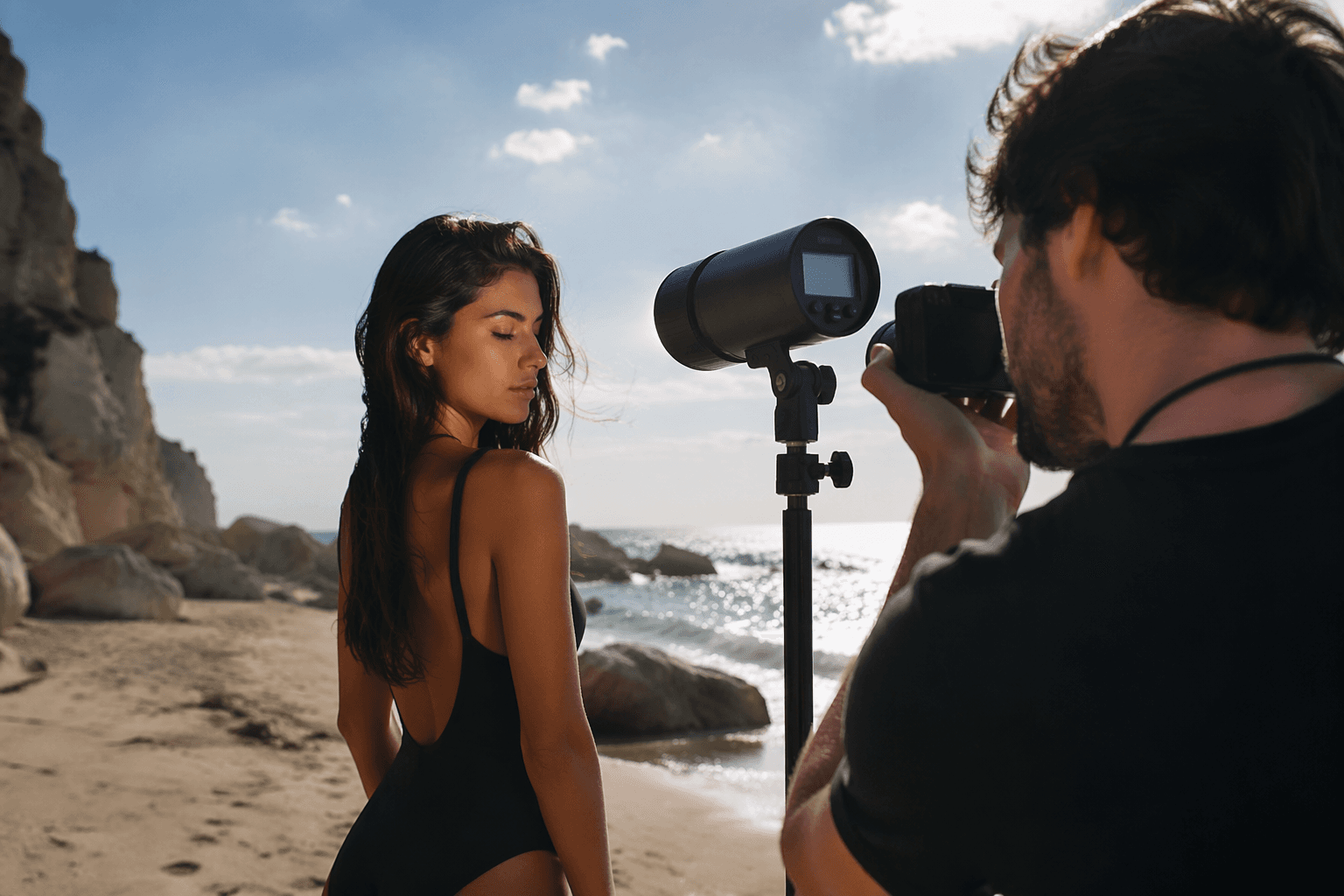
The Q120 is a 120Ws TTL outdoor studio flash with a 5600K color temperature and a stated 5600K plus or minus 100K output. It sits squarely in the daylight-balanced camp, which matters when the goal is to match ambient light instead of fighting weird color casts from a small on-camera unit. It supports 1/8000s HSS, so it is built for the kind of outdoor work where shutter speed and ambient control decide whether the frame looks intentional or washed out.
It is a portable, battery-powered tool designed to keep the setup simple while still giving enough punch to work outside in real conditions. It is a practical bridge for anyone moving up from speedlights when the next step up feels like overkill.
Why the battery matters more than the spec sheet
A flash that cannot keep firing is useless once you are in the middle of a shoot. Neewer rates the Q120’s 3000mAh battery at roughly 410 to 420 full-power flashes per charge, which is the kind of number that turns a spec into an actual field tool. For location portraits, that means fewer pauses, fewer battery swaps, and less nervous arithmetic about whether you have enough power left for the last sequence.
That battery capacity also helps define the Q120’s lane. It is not trying to be the biggest light in the bag. For hobbyists who want to drag flash out into the real world, the combination of 120Ws and Neewer’s quoted 410 to 420 full-power pops defines the pitch.
How it stacks up against the obvious rival
In B&H Photo’s comparison pages, the Neewer unit is listed at $219.99, 120Ws, 680 g with battery, and a 3000mAh pack. The Godox AD100Pro II sits at $269 in that comparison, with 100Ws and a 564 g weight with battery, plus a 3300mAh battery.
It gives you more nominal output than the AD100Pro II, but it is not trying to win the portability race. It is slightly heavier, slightly less battery-dense, and positioned as the lower-cost option for shooters who care more about getting daylight under control than shaving every gram from the bag.
B&H also shows the earlier Godox AD100pro at $259, 100Ws, 564 g with battery, and a 3300mAh battery. The Neewer comes in cheaper and with more advertised power, while the Godox pocket flashes remain lighter at 564 g with battery and use 3300mAh batteries.
Where compatibility smooths the jump
The Q120 works with both NEEWER Q and Godox X systems, which lowers the friction for people who already own third-party triggers or lights. That matters in real life because the first serious flash is rarely the only flash, and nobody wants to buy into a dead-end system on the way up.
The ability to slot into an existing trigger ecosystem makes the purchase less risky for shooters who have already mixed gear across brands and want a light that can keep up.
Who gets the most out of it
The Q120 makes the most sense for photographers who shoot outdoors, want to overpower sun, and do not need the output or size of a much larger monolight. It is especially attractive if you are just getting serious about off-camera flash and want a unit that can handle portraits, fill, and daylight control without a steep price jump.
That combination is what separates it from smaller speedlights. Speedlights are still useful, but once you are trying to shape light against bright ambient conditions, 120Ws becomes a much more credible starting point.
Where the compromises still show
The tradeoff is that cheaper and more powerful does not automatically mean better in every respect. The Q120’s 680 g weight with battery is still compact, but it is not the lightest option in the pocket-strobe class, and the 3000mAh battery trails the 3300mAh pack listed for the Godox AD100Pro II. That means the Q120 is balancing output and price rather than chasing the smallest possible form factor.
This article was produced by Prism’s automated news system from verified source data, official records, and press releases, then run through automated quality and moderation checks before publishing. The system is built and supervised by the people who set the standards it runs under. Read our full AI policy.
Did this article answer your question?