New book probes who took Lunch on a Beam photograph
A new book revisits Lunch on a Beam and the missing byline behind one of photography’s most famous images.
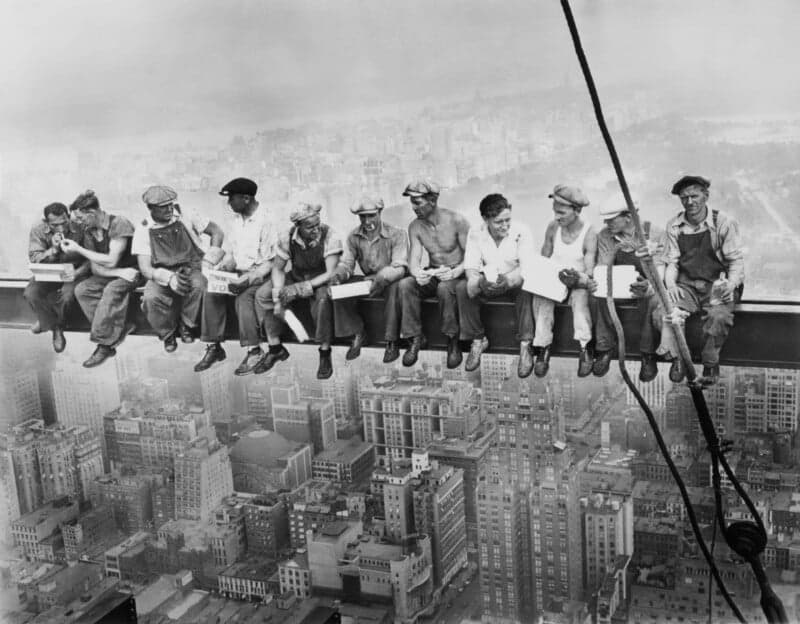
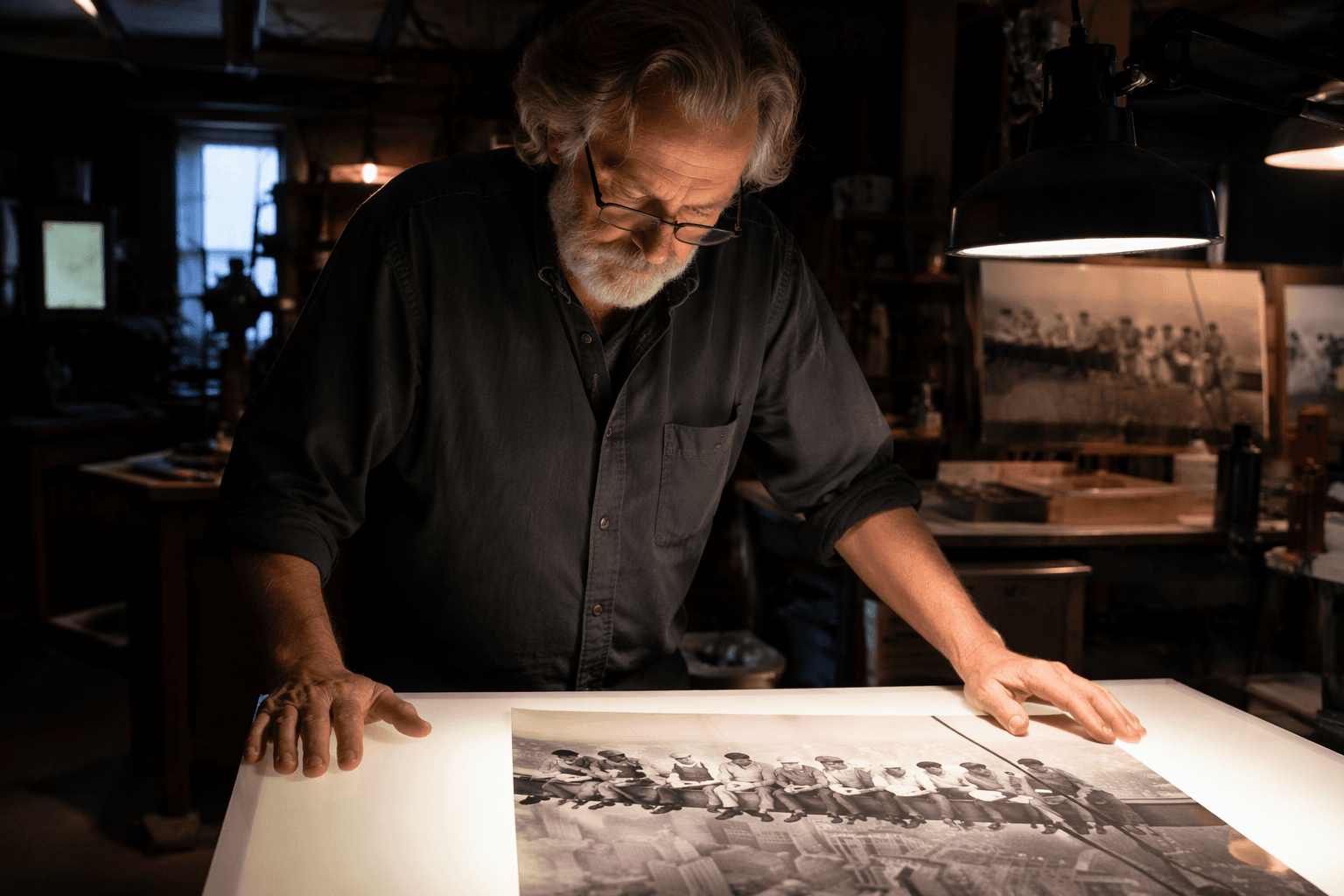
Christine Roussel’s new book, Lunch on a Beam: The Making of an American Photograph, reopens a question that has shadowed Lunch on a Beam for decades: who actually made the picture. Roussel, the Rockefeller Center archivist, traces the image’s construction history, but the original assignment records did not survive, and the photographer’s identity remains unresolved. Three names keep surfacing, Charles Ebbets, Thomas Kelley and William Leftwich, which makes the photograph as much a provenance case as a visual icon.
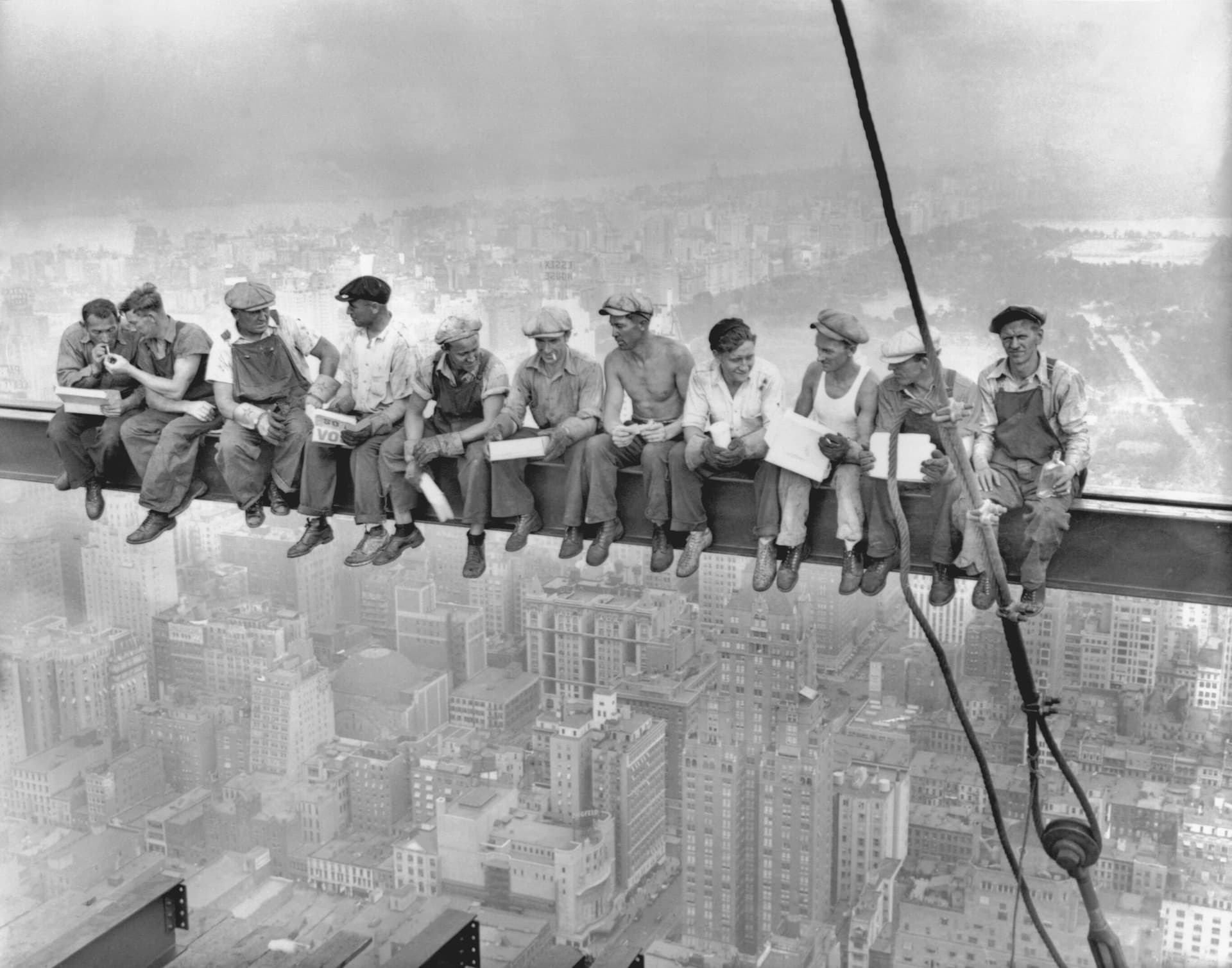
The image was made on September 20, 1932, during construction of the RCA Building at Rockefeller Center in Manhattan, now known as 30 Rockefeller Plaza. It shows 11 ironworkers seated casually on a steel beam about 850 feet above the ground, a scene that has become one of the most recognizable frames in American photography. Far from a chance pause for lunch, the photograph was part of a Rockefeller Center publicity campaign, designed to project confidence and scale at a moment when the complex needed attention as much as tenants.
That context matters because the picture was created in the depths of the Great Depression, when office development was a hard sell and Rockefeller Center was fighting for visibility in a brutal real-estate market. One account notes that the Empire State Building, newly completed at the time, was carrying a 77 percent vacancy rate, a stark reminder of how uncertain the market was. In that environment, an image of ironworkers balanced above Midtown was not just dramatic, it was a strategic piece of corporate storytelling.
The credit question has only added to the photograph’s legend. Ebbets’s family has long argued that he took it, but the evidence remains indirect and incomplete. Later research has also tried to sort out which workers were actually on the beam, with some names identified and others still unknown. That unresolved mix of faces, labor and authorship has kept the image in circulation far beyond its original publication in the New York Herald Tribune on October 2, 1932.
Roussel’s book pushes the photograph back toward its real origins: not a single frozen moment, but a coordinated production with an unclear byline. That is why Lunch on a Beam still matters to photographers now. The frame may be famous for its nerve and composition, but its deeper lesson is about credit, metadata and the fragile paper trail that proves who made the image before myth takes over.
This article was produced by Prism’s automated news system from verified source data, official records, and press releases, then run through automated quality and moderation checks before publishing. The system is built and supervised by the people who set the standards it runs under. Read our full AI policy.
Did this article answer your question?