Panasonic Lumix DC-ZS300 Debuts as a Compact Travel Zoom Camera
Panasonic's Lumix ZS300 packs a 20.1MP 1-inch sensor and Leica 15x zoom into a pocket body, but drops the EVF that made its 2018 predecessor a travel favorite.
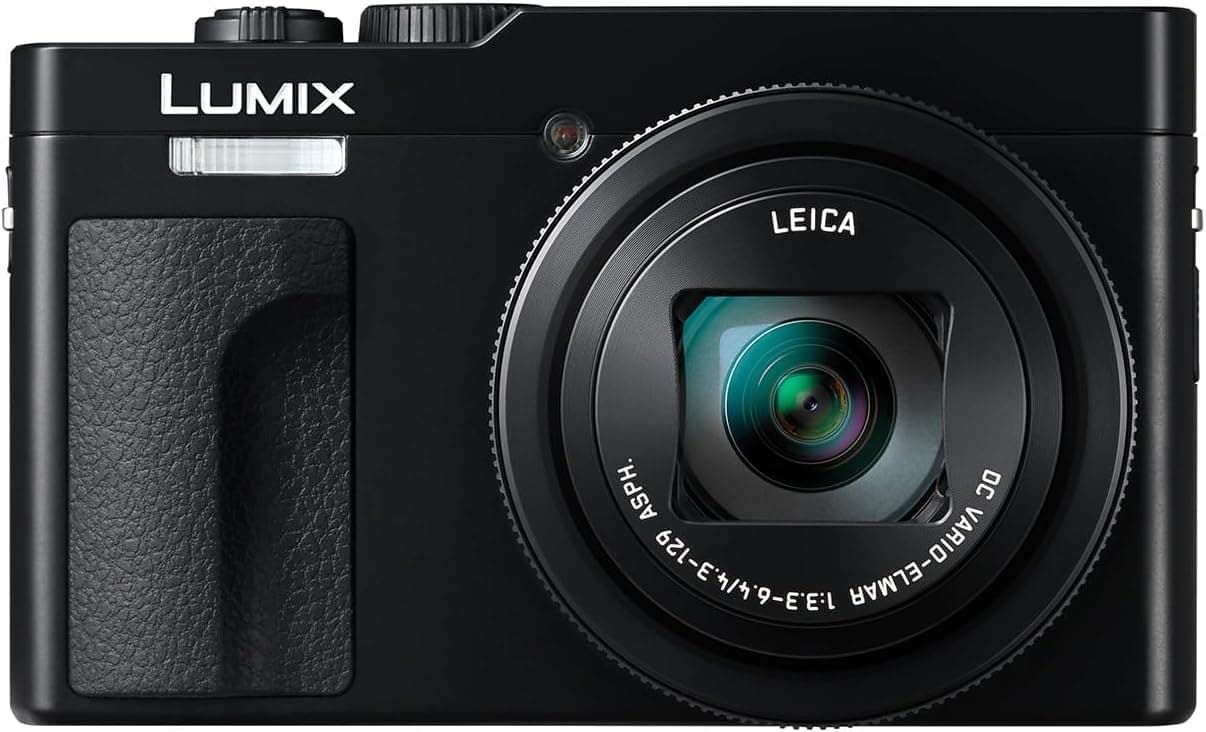
Panasonic unveiled the Lumix ZS300, a successor to the Lumix ZS200 announced back in early 2018. It will be known as the TZ300 outside North America. Eight years is a long gap between generations for any camera line, and compact shooters who have been hunting for a pocketable 1-inch zoom since the ZS200 was discontinued will finally have a new option to consider.
The ZS300 combines a 15x optical zoom lens and a 20.1-megapixel Type 1 CMOS image sensor inside a compact, pocket-sized body. Its Leica-certified lens covers a 24-360mm focal range, enabling everything from sweeping landscapes to faraway subjects to be captured with crisp precision. The zoom lens carries a variable aperture ranging from f/3.3 at the wide end to f/6.4 as the user zooms. The lens is constructed from 13 elements in 11 groups, reflecting the design trade-offs typical of compact superzoom systems.
The ZS300 is positioned as a hybrid camera, offering 4K video recording at up to 30p and Full HD slow-motion capture at 120 frames per second. Shutter options include a mechanical shutter with speeds from 1/2000 to 60 seconds, and an electronic shutter reaching up to 1/16000 of a second. The camera can also capture 4K Photo (8-megapixel) images at up to 30 frames per second and full-resolution photos at 10 frames per second. For stabilization, the camera features POWER O.I.S. for stills and 5-axis HYBRID O.I.S.+ for video, which helps smooth footage when shooting handheld or on the move.
The most debated spec change is not what Panasonic added, but what it removed. One of the most notable changes is the removal of the electronic viewfinder. Unlike its predecessor, which included a 2.33-million-dot EVF, the ZS300 relies entirely on a 3.0-inch, 1.84-million-dot rear touchscreen for composing images. Panasonic has replaced the micro USB port with a USB-C port, which can also be used to charge the camera, and updated Bluetooth from version 4.2 to 5.0, making those the headline hardware updates alongside the cosmetic refresh. The camera comes in silver, although it no longer features the red accent the ZS200 had.

The ZS200 has been discontinued for some time and is quite difficult to find on the market. After eight years without a meaningful update to the TZ200, Panasonic is finally reviving its pocketable zoom line with modern connectivity and vlogger-friendly features. USB-C charging is a super-handy feature for traveling, and brings Panasonic's premium line of compact travel zooms into compliance with today's common charger rules in Europe.
The ZS300 arrives in black and silver from early May, priced at $899. This is a $100 increase over the ZS200's launch price in early 2018. In Europe, the camera carries a recommended retail price of €999. For travel photographers weighing this against the competition, the addition of enhanced stabilization and 4K video support makes it a contender against rivals like the Canon G7X Mark III and Sony RX100 VII. The ZS300's greatest selling point may simply be availability: a capable 1-inch travel zoom that you can actually buy new off a shelf again.
Know something we missed? Have a correction or additional information?
Submit a Tip

