Pelé Soccer Brand Sued Over Unauthorized Use of Iconic 1965 Bicycle Kick Photo
A 1965 Pelé bicycle kick photo never registered in the U.S. is the basis for a federal lawsuit seeking up to $150,000 per willful infringement via Berne Convention.
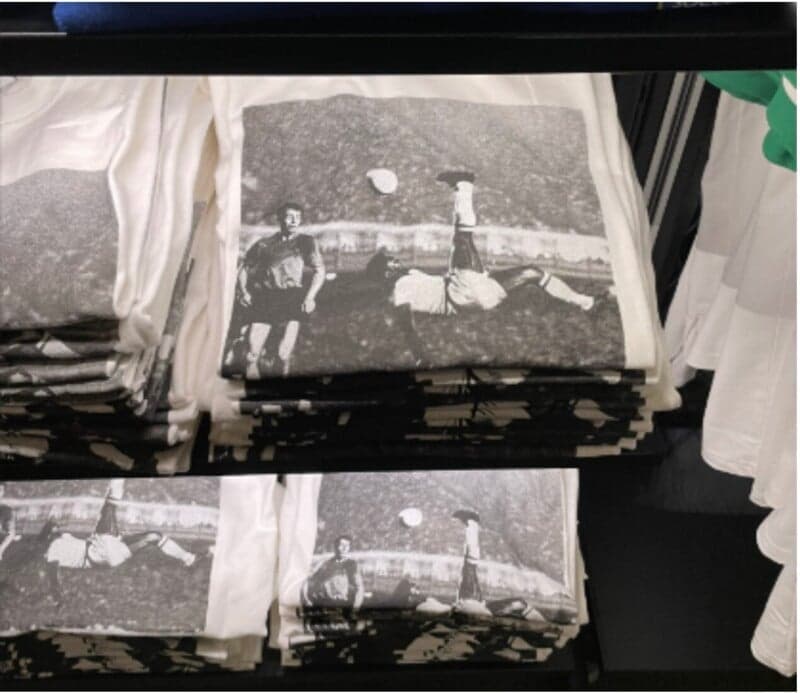
A photograph taken on a Brazilian football pitch in 1965 is now the subject of a federal copyright lawsuit that could cost Pelé Soccer up to $150,000 per willful infringement, and the image was never once registered with the U.S. Copyright Office.
The estate of Brazilian photographer Alberto Ferreira, represented by his son Antonio Carlos Ferreira Lima, filed suit on March 10, 2026 in the U.S. District Court for the Southern District of New York, naming Pele Soccer-Times Square, LLC as defendant. The complaint alleges that the lifestyle brand, created in partnership with the late footballer before his death in December 2022, reproduced Ferreira's iconic photograph on T-shirts and apparel sold at retail locations in New York City, Anaheim, Miami and Orlando — without a license, and after receiving cease and desist letters.
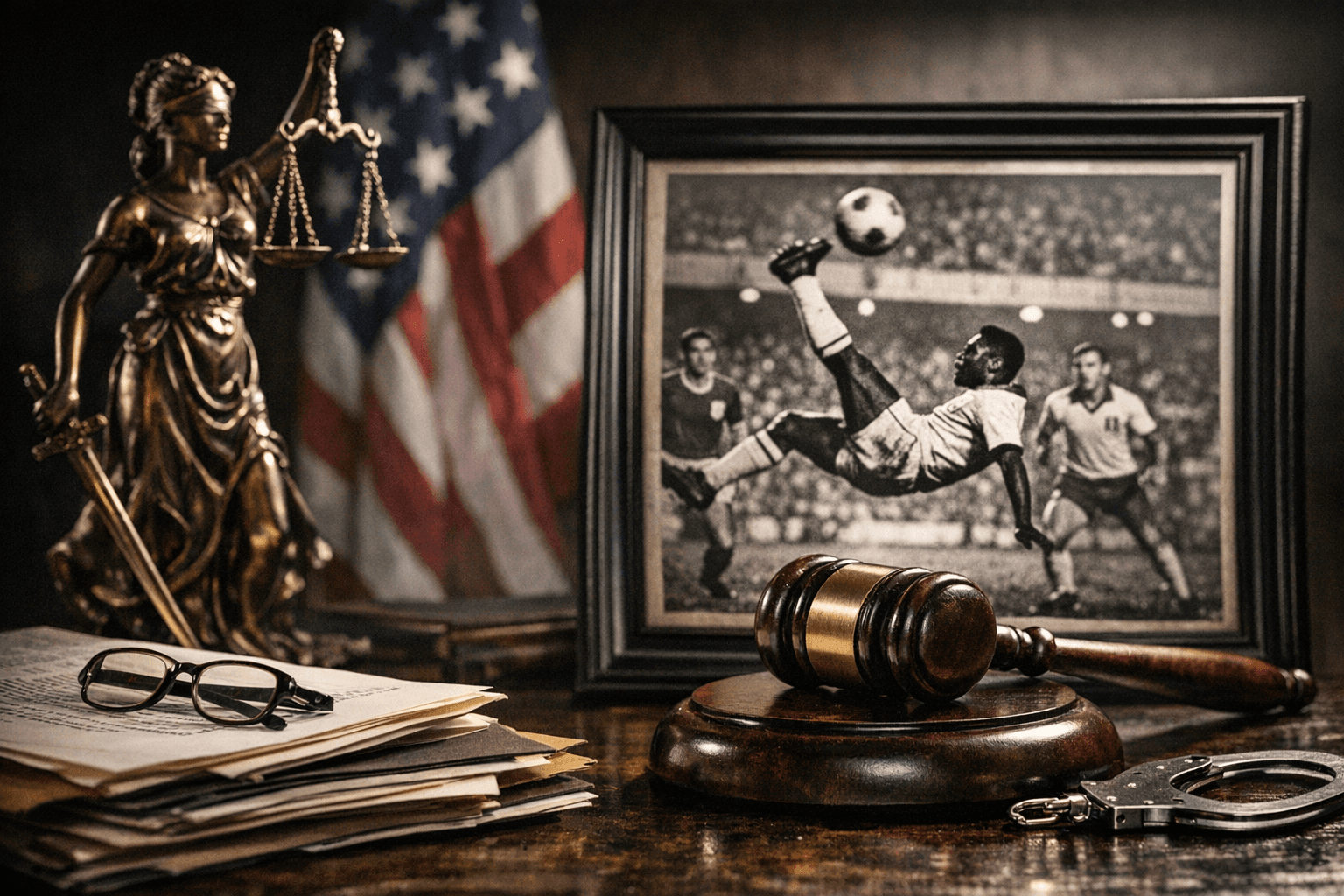
The photograph shows Pelé mid-air, executing the bicycle kick (chilena) that became one of the sport's defining images, captured during a 1965 friendly match between Brazil and Belgium. The estate says the image has been commercially licensed before, making the alleged unauthorized use particularly pointed: Pelé Soccer knew the image had an owner and an established licensing history, yet the complaint alleges it continued selling the merchandise anyway.
The DMCA angle sharpens the legal exposure considerably. Beyond standard copyright infringement, the complaint alleges Pelé Soccer removed copyright management information from the image, stripping attribution data that would otherwise identify Ferreira as the author. That is a separate federal claim under the Digital Millennium Copyright Act, carrying its own statutory damages on top of infringement penalties.
The estate's Berne Convention argument is the most instructive piece for photographers working outside the U.S. registration system. Because Ferreira first published the photograph in Brazil, a Berne Convention signatory, the estate argues U.S. registration was never required to pursue infringement remedies in American courts. Reciprocal protections under Berne mean the work carried international copyright automatically, though the absence of registration does limit access to certain remedies, including the presumption of validity and the full range of statutory damages that pre-registered works enjoy.
The same estate filed a parallel action the same day against MSC Cruises, alleging the cruise line displayed an altered version of the image in a sports bar aboard the MSC Seascape without permission. A single unregistered image, simultaneously infringed by unrelated commercial operators across entirely different industries, is the clearest argument for why archive management cannot be passive.
For photographers managing historically significant work, this case maps exactly what documentation survives litigation. Courts build the chain of title from original files or negatives with unbroken metadata, dated publication records and a paper trail of past licensing agreements. Start there: embed authorship in every export using IPTC and XMP fields, not just EXIF, because EXIF data is easily stripped. Keep licensing contracts in writing and retain them indefinitely. Register commercially significant work with the Copyright Office before infringement or within three months of first publication, because that timing window is what preserves access to statutory damages and attorney's fees. Then schedule periodic reverse-image searches using Google Images or TinEye for your most-used work, especially images tied to recognizable subjects where commercial demand runs quietly in the background. The Ferreira photograph of Pelé is exactly the kind of image that gets repurposed without credit, because the subject's global recognition makes it attractive and the original photographer's name rarely travels with the file.
The court's first task will be ruling on injunctive relief to halt further merchandise sales. Whether the established licensing history amplifies the willful standard for damages is where this case gets genuinely expensive for the brand.
This article was produced by Prism’s automated news system from verified source data, official records, and press releases, then run through automated quality and moderation checks before publishing. The system is built and supervised by the people who set the standards it runs under. Read our full AI policy.
Did this article answer your question?