Photographers Document Twin Asian Volcanic Eruptions as Ash Clouds Rise
Ash plumes from Sakurajima and Dukono put photographers at the edge of danger, with one eruption watched and the other leaving three hikers dead.
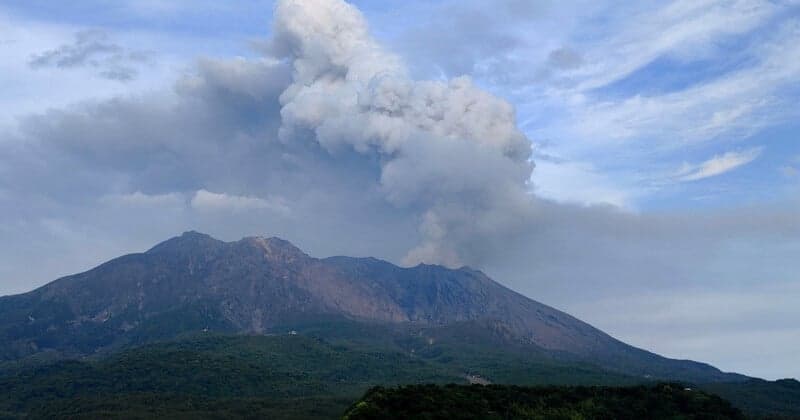
Two volcanic scenes in Asia turned photographers into frontline witnesses on the same day, but only one of them unfolded in a place built to absorb the shock. Sakurajima in Japan threw ash to roughly 11,500 feet as authorities issued ash warnings and urged precautions around Kagoshima, while Mount Dukono in Indonesia became a deadly rescue scene after hikers pushed into a restricted area and were caught by the blast.
At Sakurajima, the eruption came at about 4:15 p.m. local time inside the Aira caldera near Kagoshima on Kyushu. The volcano is one of Japan’s most active, and that changes the way the image-making works. Local communities live with ash-fall forecasting, shelters, and warning systems, so the visual story is not just a dramatic skyline shot. It is a document of routine danger, where photographers can work the edges of the event without the same level of chaos seen at a surprise disaster. The Smithsonian Institution’s Global Volcanism Program says Sakurajima’s Minamidake summit cone and crater have been persistently active since 1955, the Showa crater has been intermittently active since 2006, and the current eruption period began in late March 2017. Historical eruptions have been recorded since the 8th century, and the largest recorded eruption came in 1471 to 1476. Tokyo Volcanic Ash Advisory Center advisories also showed ash activity in April 2026 and again in May, underscoring that this is an ongoing hazard, not a one-off spectacle.
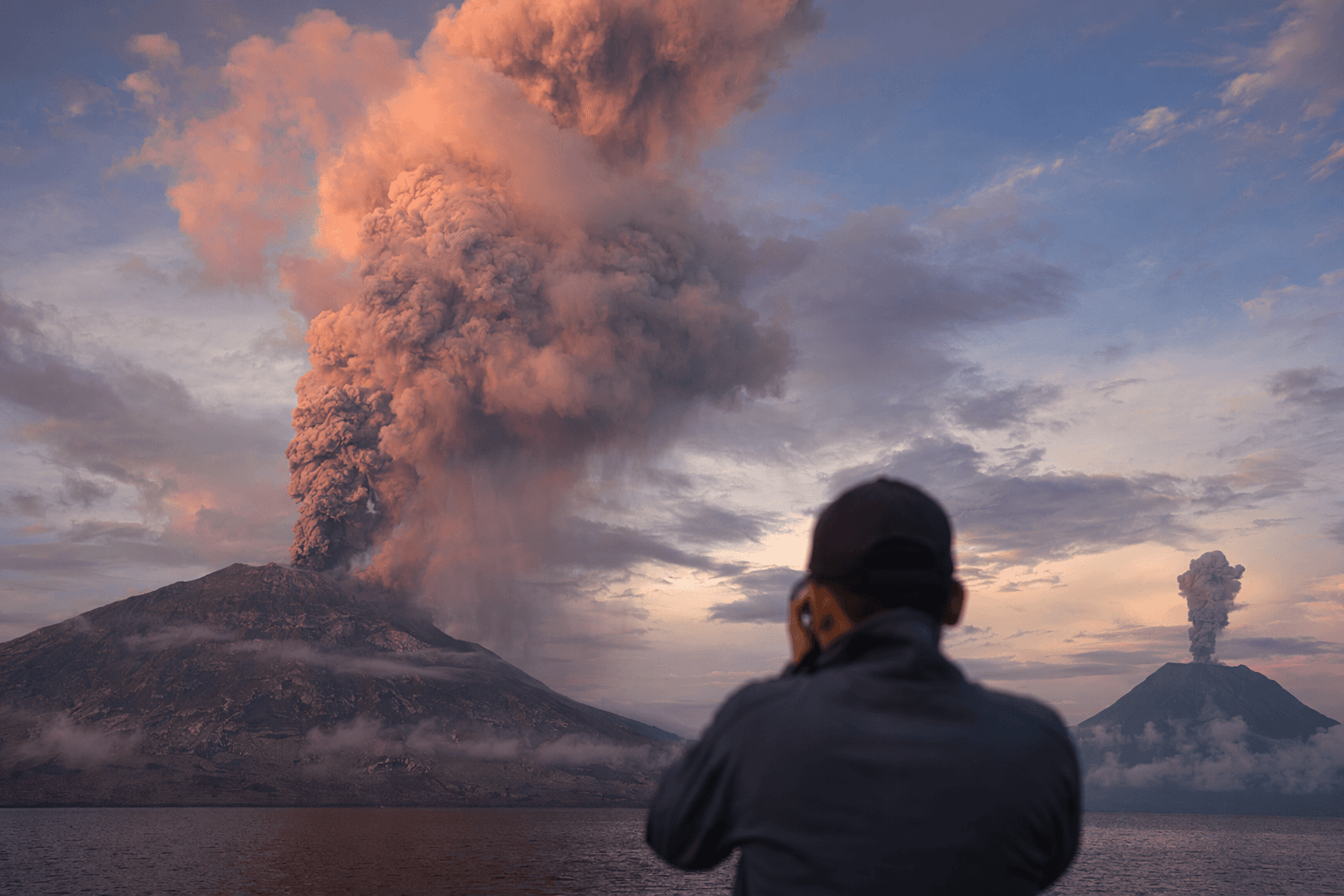
Dukono was harsher. The volcano on Halmahera Island in North Maluku, Indonesia, erupted at 7:41 a.m. local time on May 8 and sent an ash column about 10 kilometers, or 6.2 miles, above the summit. About 20 climbers had set out Thursday to ascend the volcano despite safety restrictions. Authorities reported three hikers dead and five injured, with rescue work complicated by continued rumbling and the difficulty of moving in a prohibited area. Some reports identified the dead as two Singaporeans and an Indonesian, a reminder that a disaster image can carry far more than visual drama.

That is the hard part of volcanic photography: the frame may be compelling, but the conditions behind it are not benign. In Japan, a monitored volcano with ash warnings can produce disciplined, public-facing images that help people understand what the hazard looks like in real time. In Indonesia, the same visual intensity can sit beside tragedy, restricted access, and bad risk judgment. The pictures matter because they help the public see fast-moving disaster while it is still unfolding, but the people making them have to know where the line is before the ash cloud reaches it.
Know something we missed? Have a correction or additional information?
Submit a Tip