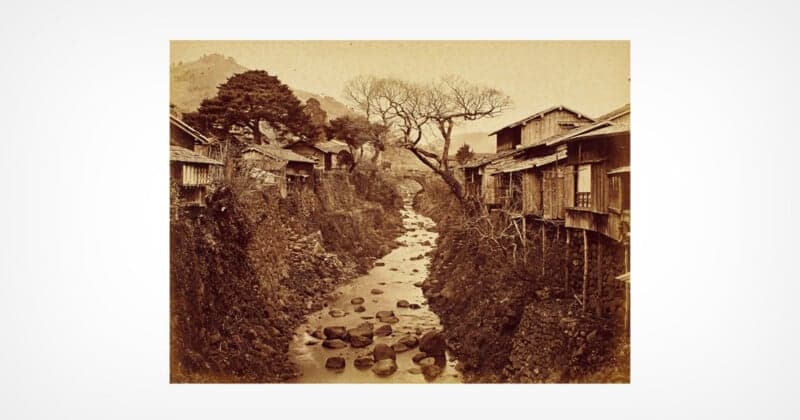
Photography reveals what Canada looked like at Confederation
Canada’s Confederation photos do more than mark a birthday: they show how early images preserve a nation before development, density, and memory changed the frame.
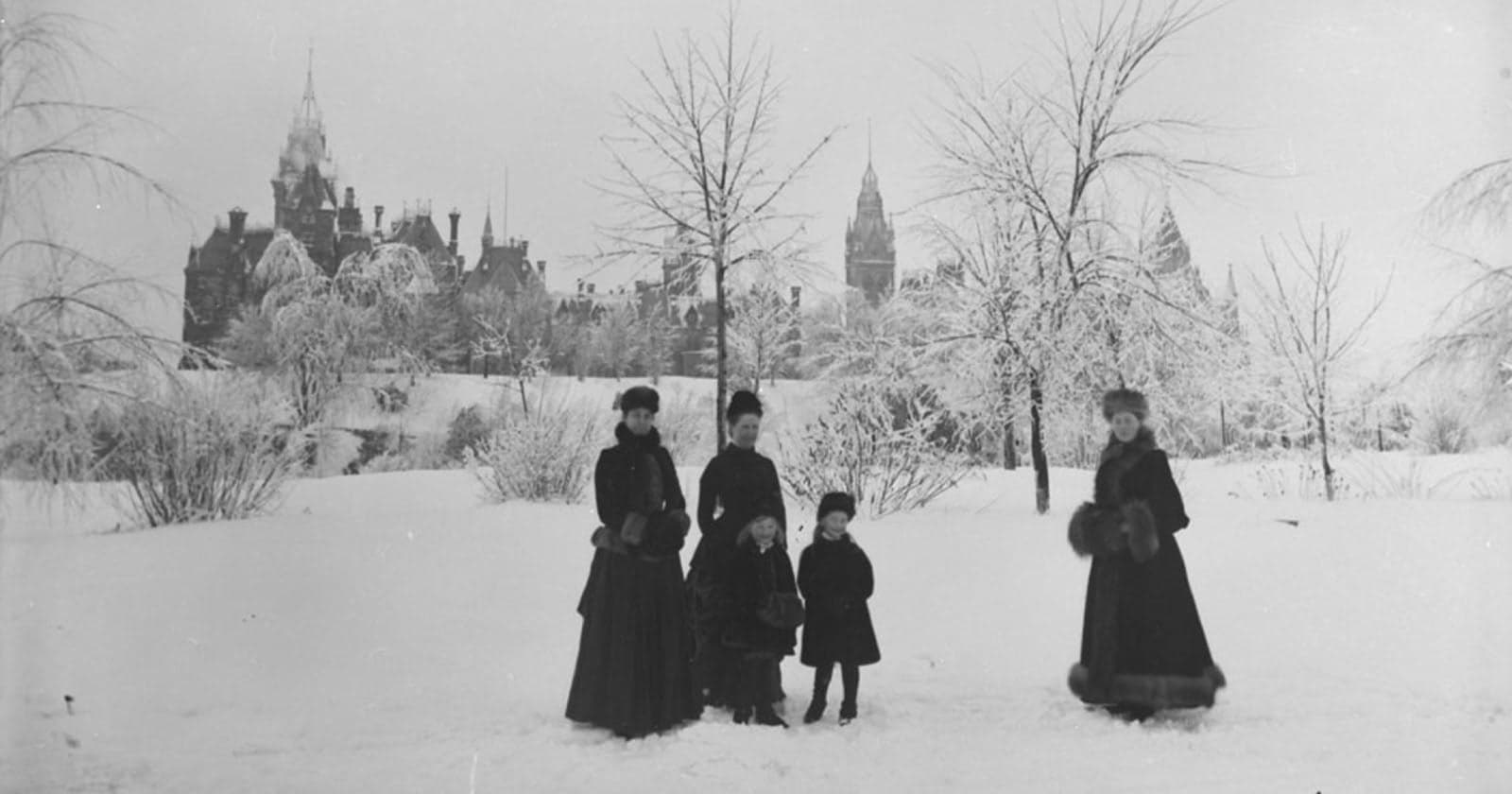
Canada Day gives these photographs a natural hook, but the real charge comes from what they make visible: a country still in the act of becoming itself. In 1867, Ontario, Quebec, Nova Scotia, and New Brunswick formed the Dominion of Canada, and the first photographs from that moment capture a landscape and a political order with very few layers built on top of them yet. For photography, that is the enduring thrill of the archive: a picture can hold a place, a people, and a shift in power long after the moment has passed.
The British North America Act united the Province of Canada, Nova Scotia, and New Brunswick, then divided the Province of Canada into Ontario and Quebec. Confederation took effect on July 1, 1867, but the union was not universally embraced, and the new country began as one step in a much longer nation-building process. That tension matters to photographers because early images rarely behave like simple celebrations. They often preserve the uncertainty around a moment as clearly as the moment itself.
Why these images matter to photographers
The best historical photographs do more than prove that something existed. They let you read the density of a city before modern infill, the edge of a shoreline before development, or a public square before later monuments and signage reshaped its meaning. That is why Confederation-era images remain so compelling: they show Canada before the familiar visual language of the modern nation hardened into place.
For documentary shooters, the lesson is blunt and useful. A photograph that feels ordinary today can become the clearest record of how a street, shoreline, building, or gathering once looked. The emotional texture of the frame matters too. Text can explain that Confederation united four provinces and began a nation-building project; an image can make the scale, spacing, and material reality of that new country feel immediate.
There is also a broader craft lesson here about how photography ages into evidence. The same qualities that matter in a field photograph, a city study, or a family archive matter in a national one: composition, context, and the ability to freeze what is about to disappear. What begins as a record of the present often becomes the only surviving visual account of a world that no longer exists.
What the archive tells you about scale and survival
Library and Archives Canada holds more than 30 million photographs, and its collections cover visual history from the early 1840s to the present. That scale tells its own story. Early photography was still young in the 1840s, so every surviving print from the decades around Confederation carries extra weight: these are some of the country’s earliest visual records, preserved inside an archive large enough to show how rare those early pieces really are.
For anyone interested in historical image collections, that makes Confederation photographs feel less like isolated curiosities and more like entry points into a much larger visual record. They sit at the beginning of a continuum that stretches from the early 1840s through the present day, which is exactly what gives them archival power. They are not just old images. They are the first chapters of a visual history that Canada still continues to write.
Reading the picture like a photographer
If you look at Confederation-era imagery as a photographer rather than only as a historian, a few things stand out quickly. First, the compositions often have to work hard with very little clutter, because the world itself was less crowded and the visual field less congested than it is now. That gives the viewer room to notice horizon lines, open spaces, architecture, clothing, and the physical relationship between people and place.
Second, limitation becomes part of the language. Early photography did not have the ease, speed, or volume of modern digital shooting, which means each surviving image tends to feel deliberate. That deliberateness makes these photographs especially valuable for studying how an era presented itself, or was able to be presented, through the technology available at the time.
Third, the archival value is inseparable from the composition. A photograph of a street, a harbor, or a civic gathering from 1867 is doing multiple jobs at once: documenting landscape, recording political identity, and preserving the look of everyday life before later growth erased it. For modern photographers, that is a reminder that documentation is not a separate discipline from artful framing. The frame is the document.
Canada Day adds the present tense
Canada Day has been observed on July 1 since 1868, which gives the holiday a long continuity with the date that marked Confederation itself. That annual rhythm matters because it turns a historical event into a recurring public moment, one that invites a new comparison between then and now every year. Photography fits naturally into that ritual because it can hold both the origin story and the evolving identity that followed.
CBC noted that Canada entered Confederation as a nation of four provinces and 3,463,000 people. That number gives the photographs a different kind of scale: not the abstract scale of a nation today, but the smaller, more legible scale of a country at its beginning. When you pair that population figure with the visual record, the images stop feeling distant and start feeling exact. You can see how much room there was for growth, and how much of the future was still outside the frame.
That is why these photographs land so well in a photography feed. They are not just historical illustrations, and they are not only national-symbol material for a holiday. They are demonstrations of what the medium does best when it is asked to carry history: it keeps the surface of a moment intact long after the moment has become a story.
What Confederation looks like through the lens
The photographs from 1867 do what the best archives always do. They keep the country from becoming too tidy in hindsight. Ontario, Quebec, Nova Scotia, and New Brunswick appear not as abstractions but as places with streets, buildings, shorelines, and people living inside an unfinished national frame. The longer the country developed, the more symbolism accumulated around Confederation, which is exactly why the early images matter so much.
They let you see Canada before the layers settled in. That is the quiet power of photographic history: the holiday comes back every July 1, but the image holds the first version of the scene, before the country learned to describe itself in later terms.
This article was produced by Prism’s automated news system from verified source data, official records, and press releases, then run through automated quality and moderation checks before publishing. The system is built and supervised by the people who set the standards it runs under. Read our full AI policy.
Did this article answer your question?