Pie Aerts documents Chile’s isolated puesteros in Patagonia
Pie Aerts spent six years earning access to Chilean puesteros, making Coirón a slow portrait of Patagonia, solitude, and a rural world under pressure.
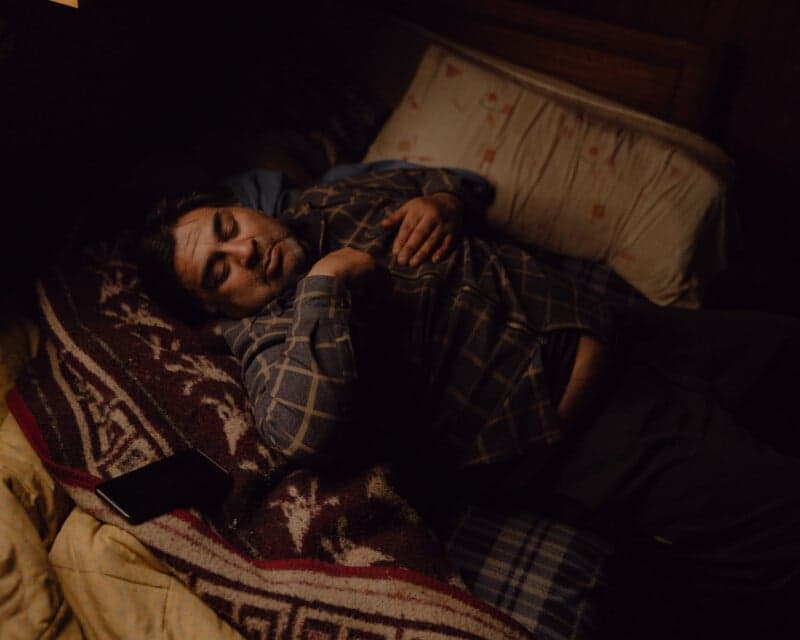
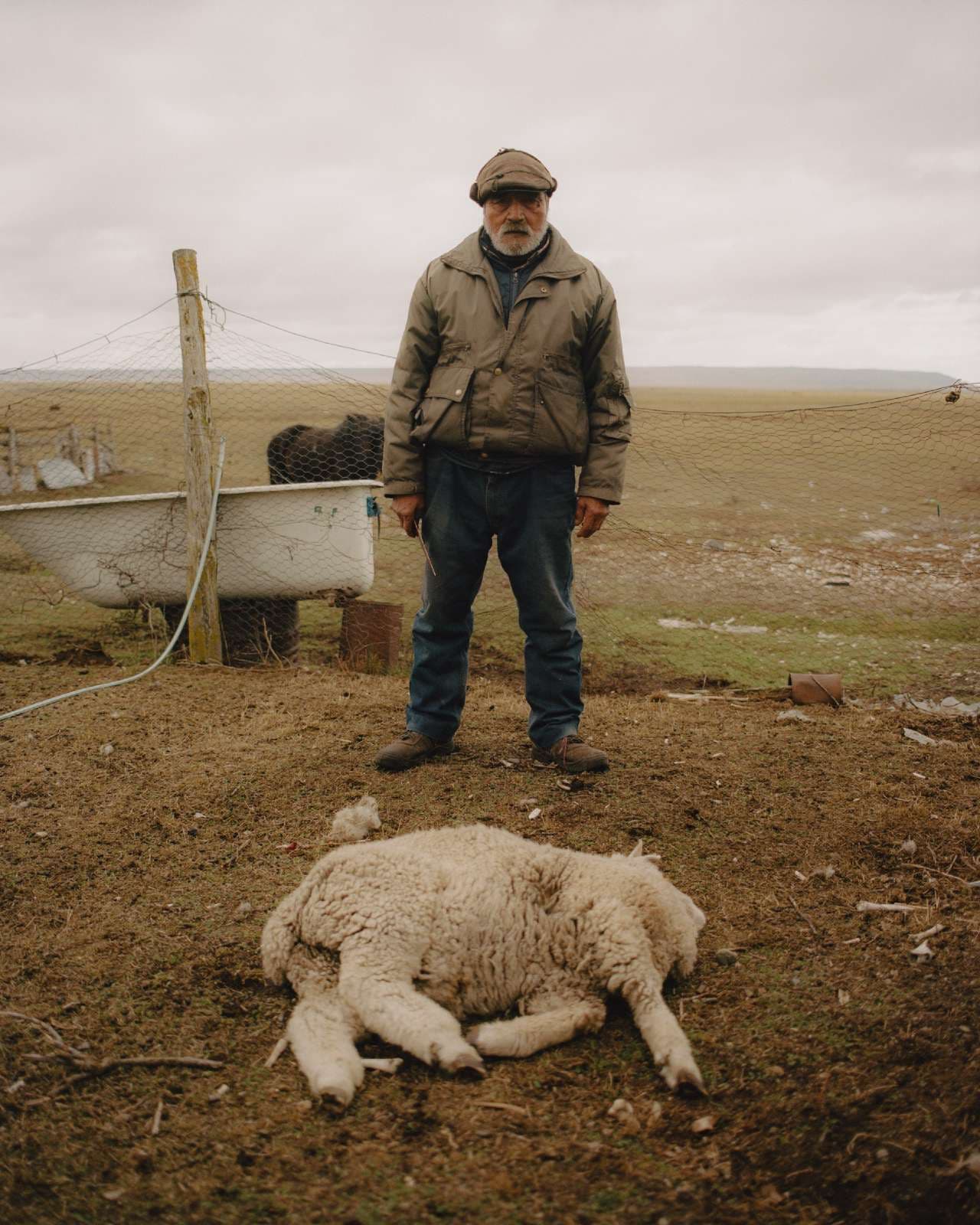
Pie Aerts spent nearly six years returning to Chilean Patagonia, and that pace is the whole point of the work. In Coirón, his first monograph, the Dutch photographer turns away from the quick-hit logic of modern photo coverage and stays with the puesteros of the Magallanes region long enough to make their lives legible, not just visible. The result is a book scheduled for release in September 2026 that reads like a record of people, land, and time moving at the same stubborn speed.
A six-year return to Patagonia
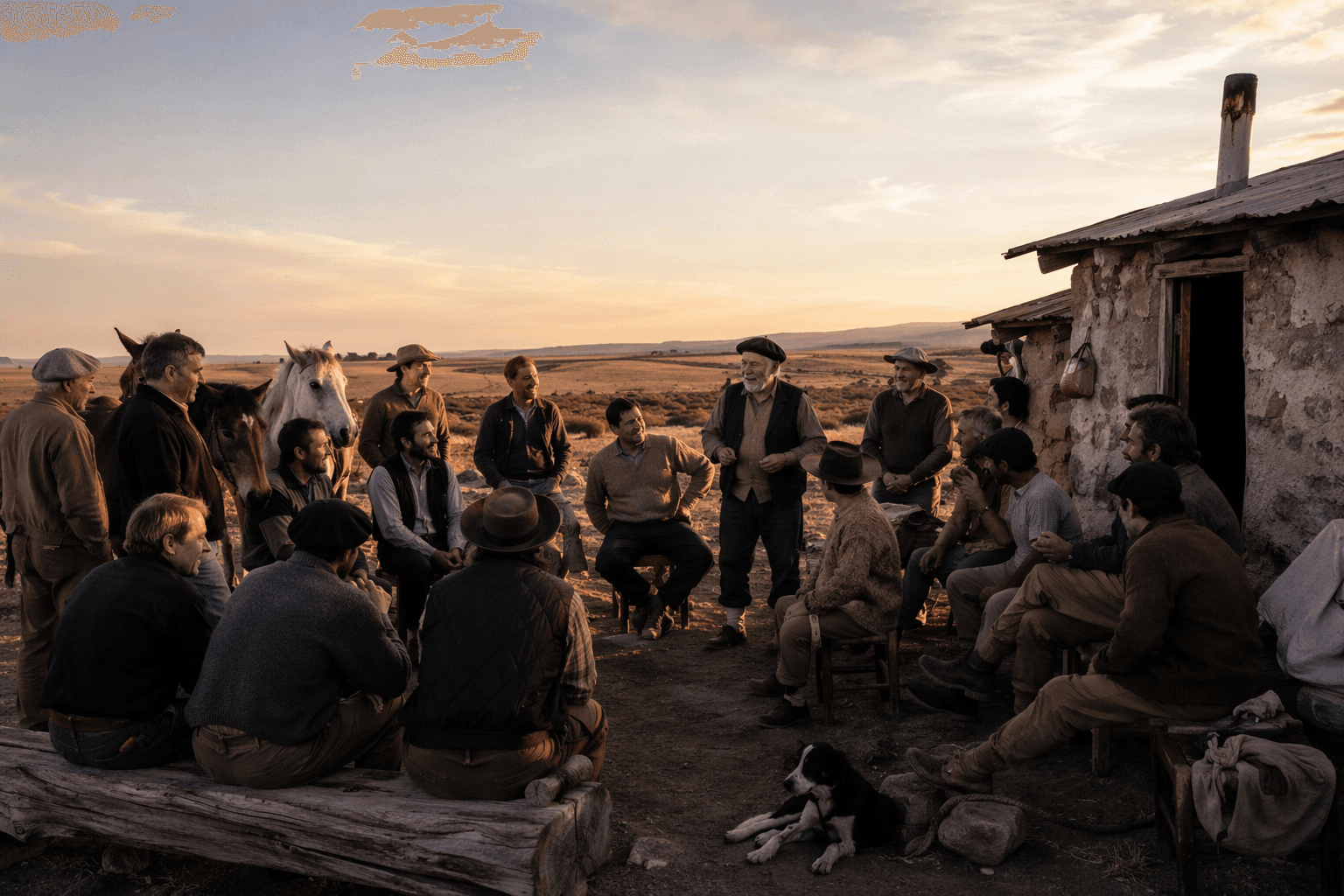
Aerts says he first set foot on Patagonian soil in 2018, and the project grew from there into a long-form documentary study of some of the last puesteros, the Chilean “country men” who live and work on vast private lands. These are not staged ranch portraits or heroic frontier clichés. They are repeated encounters, built over years, with men whose routines are shaped by distance, labor, and the fact that city life has little pull in the places they still inhabit.
That long access matters because the puesteros are often isolated not only from one another but from the social structures younger generations increasingly prefer. Aerts’ book includes an essay by Alberto Harambour, an associate professor at the Universidad Austral de Chile, and a poem by Iván Rojel Figueroa, which gives the project a literary frame without softening its documentary core. Coirón is being presented as a first monograph, but it already carries the density of a project that has been allowed to mature.
Who the puesteros are
The men Aerts photographs live in Chile’s Magallanes region, where solitude is not a mood but a working condition. Some go months without speaking to anyone other than their dogs, and that detail tells you almost everything about the scale of their isolation. Their days are structured by animal care, weather, terrain, and the constant maintenance required to hold on to a life far from town.
One of the men in the project, Luis, has spent more than 40 years living alone and recently survived a severe fall from his horse. That kind of detail turns the project from atmosphere into biography. It shows that the work is not only about scenic remoteness, but about endurance measured in injuries, years, and the decision to keep returning to the same terrain long after most people would leave it behind.
The puestos and the landscape around them
The shelters these ranchers inhabit are called puestos, and in Aerts’ framing they are as much part of the story as the men themselves. Wind, snow, rain, and decay wear them down over time, yet they remain symbols of endurance and cultural identity. The visual appeal is never just rustic texture. It is the evidence of structures that have been forced to survive in a place where survival is never guaranteed.
Aerts describes coirón as the native grass of the Patagonian pampa, and that image gives the project its title and its logic. Coirón endures wind, cold, drought, and poor soil, surviving where little else does. That makes it a fitting emblem for a book built around people who are also trying to stay rooted in difficult ground, physically and culturally.
Climate pressure and a vanishing cycle
The urgency in Coirón comes from more than aesthetics. Drought and economic change are pressuring the region, while younger people move toward city life or tourism, breaking a generational cycle of farm work. The puesteros are therefore not just characters in a remote landscape. They are participants in a disappearing social fabric that still exists, but only under strain.
The wider environmental context sharpens that pressure. The United Nations has said the Central Chile Mega Drought has lasted 13 years, making it the longest drought in the region in a thousand years. The UN also reported in 2022 that drought conditions across South America contributed to a 2.6% decline in the 2020-2021 cereal harvest compared with the previous season. Those figures sit far beyond Patagonia, but they explain why a project about isolated ranchers also becomes a record of environmental stress.
What long-term documentary work makes possible
For photographers, the practical lesson in Coirón is not about gear, and it is not about chasing rare access for its own sake. It is about what six years of return visits can reveal that a weekend assignment never will. Repeated time in the same place lets relationships deepen, habits emerge, and the ordinary details of a life become trustworthy evidence rather than quick impressions.
- Stay long enough for routine to replace novelty.
- Let trust build until people stop performing for the camera.
- Photograph the structures around a life, not just the faces in it.
- Pay attention to weather, wear, and repairs, because they show how a community survives.
- Treat repetition as information, not redundancy.
That is what makes Coirón feel larger than a portrait series. It is a cultural archive built from patience, from the willingness to keep going back until the distance between photographer and subject becomes part of the story. In a photo culture that rewards speed, Aerts’ work shows how much more becomes visible when the camera stays put long enough to be missed.
This article was produced by Prism’s automated news system from verified source data, official records, and press releases, then run through automated quality and moderation checks before publishing. The system is built and supervised by the people who set the standards it runs under. Read our full AI policy.
Did this article answer your question?