PowerLines Offers $30,000 Fellowship to Document U.S. Energy Cost Impacts
PowerLines is paying $30,000 plus covered expenses for three months of documentary photography on rising utility bills; U.S. electricity rates are already up 20% since 2022.
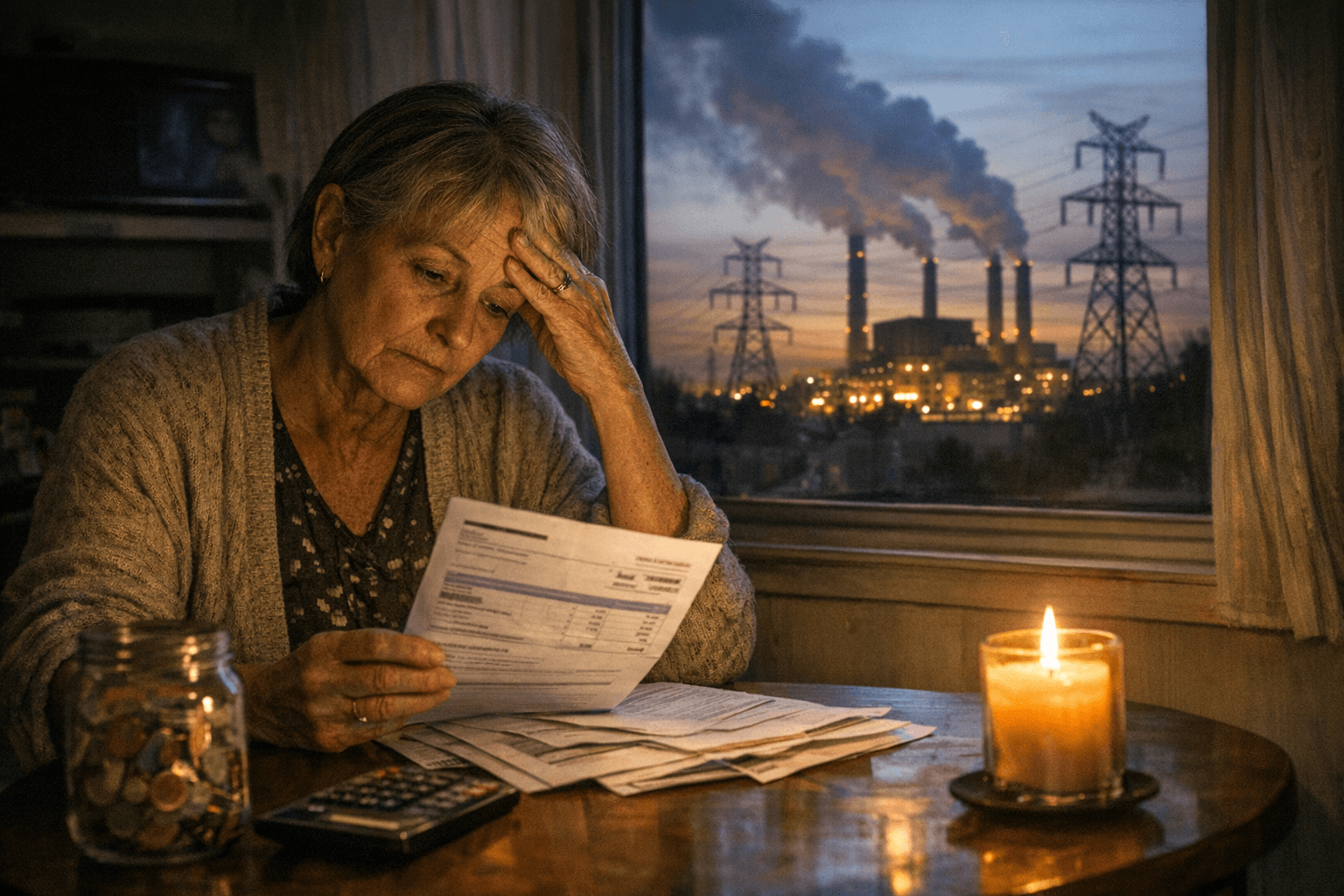
Electricity rates have climbed 20% since the start of 2022, and a nonprofit called PowerLines wants to pay a documentary photographer $30,000 to put faces to that number. The fellowship runs May 15 through August 15, 2026, with travel and production expenses covered on top of the flat fee — rare terms for a three-month reporting commitment, and exactly the kind of institutional backing that lets a photographer do the work right rather than fast.
PowerLines was founded by Charles Hua, a former Department of Energy policy advisor and Berkeley Lab research affiliate, specifically to modernize the country's utility regulatory system. The organization's core argument is that public utility commissions regulate monopolistic gas and electric companies with enormous consequence for consumers, yet receive almost no public scrutiny. A sustained documentary project, PowerLines reasons, can shift that equation. The selected fellow will develop and execute an original photography product documenting the human experience of rising utility costs in what the organization describes as "a creative, humanizing, compelling, and accessible way."
Five story angles could anchor a competitive proposal. The household audit is the most direct: a family in a Sun Belt state documenting month-by-month decisions as summer cooling costs spike, or a fixed-income couple in the Midwest choosing between heating and medication in February. Rate hearings at public utility commissions are an underexplored visual entry point — the rooms are open to the public, utility executives testify under oath, and citizen advocates pack the back rows, yet almost no one photographs these proceedings. Utility workers, from linemen restringing aging infrastructure to meter readers in low-income neighborhoods, offer a third angle with genuine visual range across a three-month arc. Energy poverty data visualization, pairing income maps with rate-increase overlays at the county level, gives web presentations the connective tissue they need. Community adaptation is the fifth: weatherization crews in Detroit rental housing, shared community solar arrays in rural Georgia, neighbors coordinating during peak-demand shutoffs. Any of these can structure fieldwork that satisfies both journalistic integrity and PowerLines' policy mission.
The application requirements signal that this is a professional commission, not a student grant. PowerLines requires a portfolio of 20 images, a professional bio, a written project proposal for the documentary series, and a development timeline that includes a budget and travel schedule. The job posting states the ideal candidate has at least three years of professional experience and "a proven track record of working on economic and human issues with sensitivity and depth." Comfort working independently in the field and managing a self-directed schedule is also explicitly required.
With a May 15 start, the backward plan is urgent. A polished application needs to be moving now, not the week before the deadline. Curate your 20-image portfolio this week: pull work showing sustained reportage on economic or community subjects, not single-image showstoppers. Your project proposal needs a named geography or two, a specific community entry point such as a utility commission docket, a housing authority, or a LIHEAP field office, and a realistic 13-week shooting schedule with built-in travel weeks. A sample budget showing daily rates, accommodation estimates, and gear costs demonstrates professional capacity. One or two sample images shot in contexts directly analogous to energy poverty or utility infrastructure, even repurposed from prior assignments, anchor the visual argument before the work begins.
The fellowship also permits non-conflicting outside assignments during the three months, which makes the financial math cleaner still. The full application is available through PowerLines' website at powerlines.org.
This article was produced by Prism’s automated news system from verified source data, official records, and press releases, then run through automated quality and moderation checks before publishing. The system is built and supervised by the people who set the standards it runs under. Read our full AI policy.
Did this article answer your question?