Reflx Lab launches Diablo 100, an experimental redscale film
Reflx Lab’s Diablo 100 brings a backward-loaded redscale look to 35mm, with ISO 100, C-41 processing, and 36 frames of red, orange, and yellow shifts.
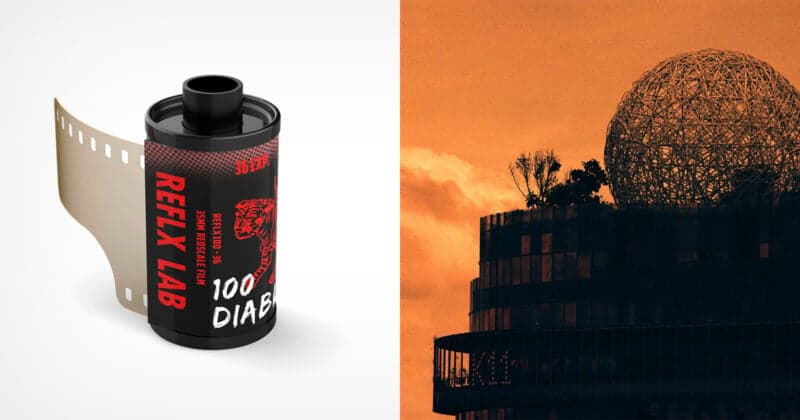
Reflx Lab added Diablo 100 to its analog lineup with a 35mm redscale color negative film built for photographers chasing heat, glow, and color shifts that ordinary stock will never give them. The film is ISO 100, comes in 36-exposure rolls, and uses standard C-41 processing, so it drops into the same lab workflow as everyday color negative film.
The twist is in the loading. Reflx Lab says Diablo 100 is an experimental film loaded backward, so light passes through the transparent base layer before reaching the emulsion. That reverses the normal path through the film and pushes color toward the red end of the spectrum, turning scenes into heavy red, orange, and yellow tones. Redscale only really works when the scene gives it room to breathe, and that is the appeal here: the look is built into the capture, not added later.
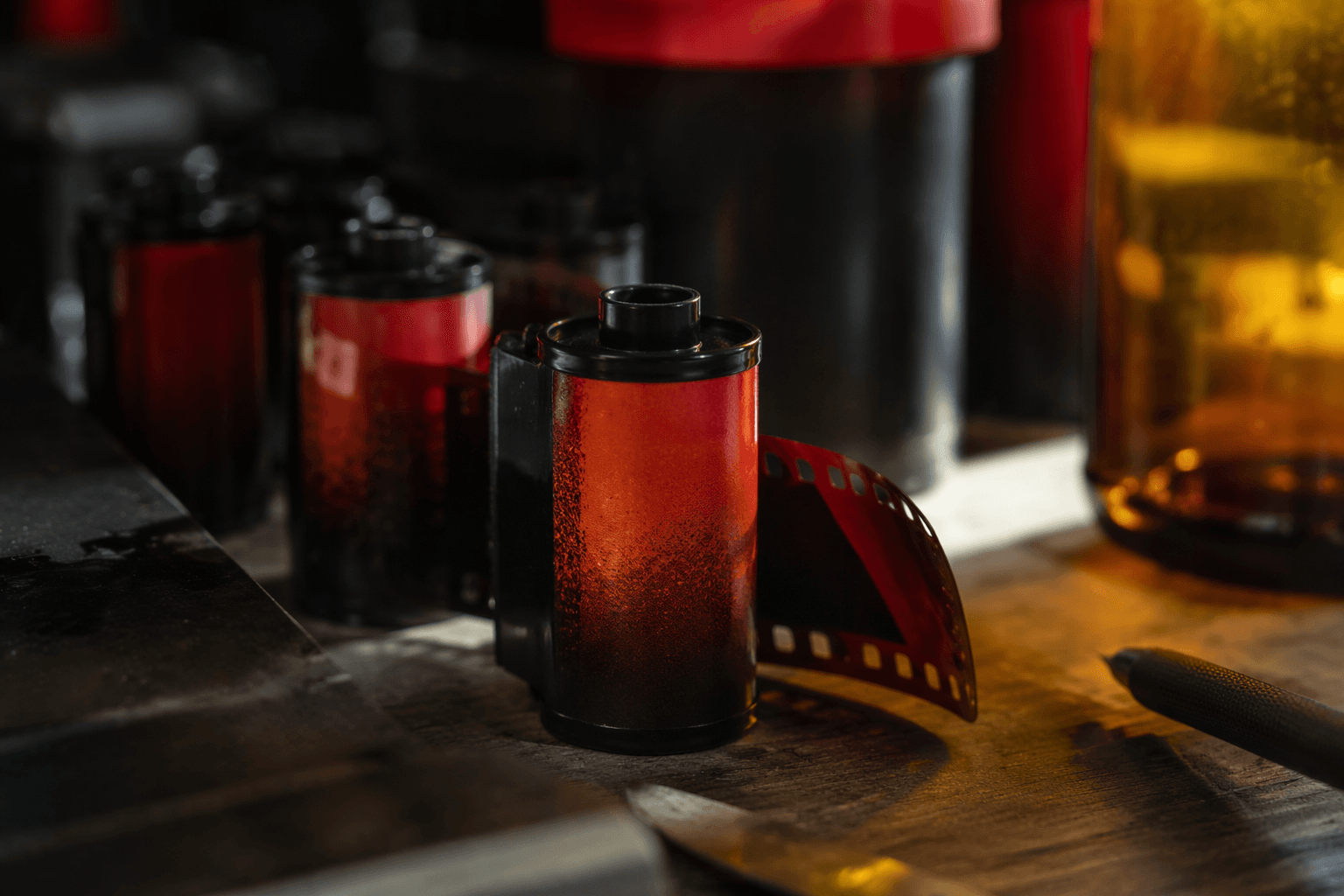
Diablo 100 is tied to China Lucky Film’s Lucky Color 200, also referred to as C200, and PetaPixel said the stock is based on Lucky C200 film. Kosmo Foto described it as a redscale version of Lucky Color 200 and reported a Reflx Lab shop price of $10.99 a roll. PetaPixel said the film was sold only in 135 format, with no B&H listing yet, which keeps it squarely in the niche 35mm corner of the market rather than pushing it toward a wider retail launch.
Reflx Lab also commissioned photographer Frankie Beena, known online as @frantabina, for sample images. Beena’s verdict fit the format’s reputation: redscale can be challenging to use, but in the right scene it makes stunning images. That caveat matters, because the effect can go muddy if the light is flat or the composition leans too heavily on clean color separation.
Harman Technology set a recent precedent when it announced Harman Red 125 on February 14, 2025 as a DX-coded ISO 125 35mm redscale film based on its Phoenix emulsion, later expanding it to 120. Against that backdrop, Diablo 100 looks less like a one-off oddity and more like another sign that the redscale corner of film photography is active, experimental, and still finding new ways to surprise people who are willing to shoot for the look.
This article was produced by Prism’s automated news system from verified source data, official records, and press releases, then run through automated quality and moderation checks before publishing. The system is built and supervised by the people who set the standards it runs under. Read our full AI policy.
Did this article answer your question?