SanDisk Warns Photographers of Looming Storage Price Hikes and Supply Shortages
SanDisk and Western Digital warned storage prices for NAND flash, SSDs, and SD cards may keep rising through 2026, driven by AI datacenter demand squeezing photographer supply.
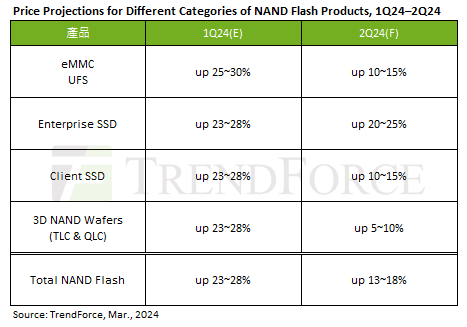
SanDisk and its parent company Western Digital have issued a warning that storage prices across NAND flash, SSDs, SD cards, and related memory devices may rise through 2026, with AI datacenter demand identified as the primary driver of the supply squeeze. Craig Blair at CanonRumors reported the alarm on March 19, and the picture he painted is not encouraging for anyone shooting, editing, or storing images at scale.
"If you're in our industry, you already know that storage prices are going through the roof due to AI datacenter needs," Blair wrote. "Not only storage, but RAM, DRAM Flash Memory and a lot more in the industry will see significant price increases through 2026."
The situation, according to Blair's reporting, has already started moving. As a concrete example, he pointed to the WD 4TB WD_BLACK SN8100 NVMe PCIe 5.0 M.2 Internal SSD, currently listed at $1,299 — a product he noted he paid just over half that price for not long ago. That kind of doubling in real-world cost is the trajectory SanDisk and Western Digital are now warning will continue.
The concern extends well beyond the media cards you slot into your camera body. "There will also be increases in DRAM Flash memory used in cameras, which will potentially increase the prices of cameras, unless the manufacturers are prepared to eat the cost of production increases." Blair's rhetorical follow-up to that last clause: "When do they ever do that?"

Compact cameras and the MicroSD format face their own specific pressure point. With a wave of new compact camera releases expected through 2026, many of which will rely on Micro-SD cards, Blair flagged that supply for that card format is going to be stressed. DJI already draws heavily on MicroSD across most of its consumer drone lineup, adding further demand to a format that doesn't have much slack to absorb it.
The manufacturing side offers little comfort. New fabrication facilities for NAND, DRAM, and related memory products can take up to two years to reach full production capacity. Blair acknowledged he cannot independently confirm that timeline from inside the industry, but the implication is clear: "There is no immediate relief coming."
For photographers building out storage infrastructure this year, whether that means buying extra CFexpress cards, adding NAS drives for backup, or simply budgeting for a new camera body, the smart move is to front-load those purchases before the price curve steepens further.
Know something we missed? Have a correction or additional information?
Submit a Tip

