Sean Tucker and Joshua K Jackson show street photography is more than technique
Sean Tucker and Joshua K Jackson prove street photography travels farther when vision, mood, and sequencing lead the way. Their work turns everyday scenes into images people remember, not just moments they catch.
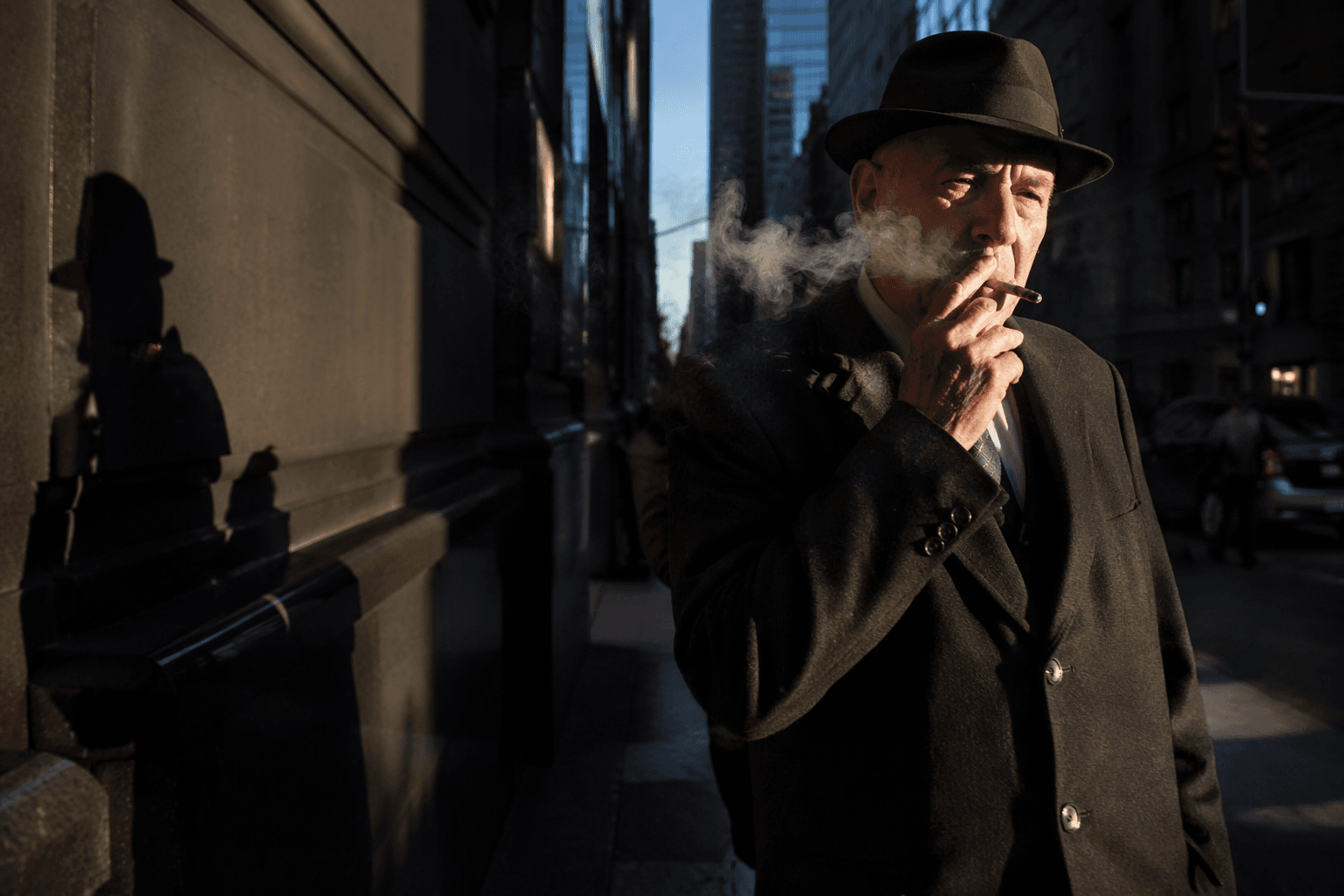
A combined audience above 600,000 does not come from lucky timing alone. Sean Tucker and Joshua K Jackson have built followings by making street photography feel like a way of seeing, and their work shows why the genre resonates when it moves beyond the chase for a single decisive moment.
Why their reach matters
Sean Tucker’s audience alone has climbed from 612,000 subscribers in a January 11, 2026 video to 616,000 in a May 17, 2026 video, which says a lot about the appetite for street photography that teaches rather than performs. A February 2026 playlist on his channel listed 188 videos and 150,519 total views, underlining how much of his influence comes through long-form instruction and discussion, not just still images. Hachette describes him as a photographer, filmmaker, author, and public speaker based in the UK, while his photography site places him in London and notes that he published The Meaning in the Making in 2021.
Jackson brings a similar mix of practice and teaching, but with a different visual emphasis. His website identifies him as a London, UK-based photographer and says he has published Sleepless In Soho in 2020 and Modern Paradox in 2022. His upcoming book, The Art of Street Photography, is framed as more interpretive and artistic, moving beyond the genre’s reportage roots and treating public space as a canvas for personal expression.
Street photography as vision, not just timing
The key idea in the feature is that street photography online often gets flattened into gear talk, focal-length debates, and rigid rules about how close to stand or how candid to be. Tucker and Jackson push against that simplification by showing that the images people share most widely are usually the ones with mood, story, and presence.
That matters because the genre can feel intimidating in practice. You are working fast, reading people and spaces in real time, and making framing decisions before the scene disappears. The feature’s larger point is that the photographers who connect most strongly are not simply the quickest at reacting. They are the ones who arrive with a point of view.
Tucker puts that philosophy in especially plain terms on his own site, where street photography is described as taking him back to instinct and to “seeing, not solving.” That idea helps explain why his audience has grown around teaching as much as around finished pictures. His videos such as The Real Reason People Connect with your Photography and The Secret to Powerful Narrative Photography point to a body of work built around how images communicate, not just how they are exposed.
What Tucker shows about narrative street work
Tucker’s influence is broader than a single style of frame. Because he is also an author, filmmaker, and public speaker, his work moves across formats that reinforce one another: books, video essays, talks, and photographs. That cross-platform presence is part of why his street photography feels accessible to a wide audience, including readers who do not usually follow the genre closely.
The practical lesson is simple: start with intent. If you are walking with a camera, think less about collecting technically correct frames and more about what a scene feels like. A bus stop, a pavement reflection, or a crossing can become stronger when you are looking for gesture, rhythm, or tension rather than just a clean candid moment.
What Jackson adds through mood and editing
Jackson’s work pushes a slightly different lesson, especially through the way he presents street photography as interpretive. His appearance in Adobe Lightroom Stories included a Central London walk, and Adobe said he created an exclusive Lightroom preset designed to give street photographs a moody, atmospheric feel. That detail matters because it shows how editing is part of the storytelling, not an afterthought.
His books also suggest a consistent relationship with place. Sleepless In Soho signals a close relationship with London’s nocturnal city life, while Modern Paradox sounds like a study in contradiction and visual tension. Taken together with The Art of Street Photography, they point to a photographer who treats the street as a stage for atmosphere, sequencing, and personal response.
For your own shooting, that translates into a few usable habits:
- Build a small sequence, not just a single frame. Shoot the same corner from different angles or at different moments so the edit has rhythm.
- Look for atmosphere before spectacle. Light, shadow, weather, and background clutter can carry as much narrative weight as the main subject.
- Keep your visual language consistent. Whether you lean toward contrast, muted color, or monochrome, a coherent look helps a set of street images feel intentional.
- Treat the city like a sentence, not a snapshot. One frame can be a noun, but a sequence can read like a paragraph.
Why this style connects beyond the genre
What makes Tucker and Jackson unusual is not only that they are well known, but that their work travels beyond traditional street-photography circles. Books, teaching videos, preset creation, social media, and collaborative content all feed into the same audience. That is a useful reminder for anyone building a street practice now: visibility tends to follow a clear voice more than a bag full of gear.
The strongest takeaway from their success is that street photography still rewards curiosity and consistency. If the decisive moment is the spark, their work shows that the lasting image comes from everything around it, from how you observe, how you sequence, and how you shape the final mood after the shutter clicks.
This article was produced by Prism’s automated news system from verified source data, official records, and press releases, then run through automated quality and moderation checks before publishing. The system is built and supervised by the people who set the standards it runs under. Read our full AI policy.
Did this article answer your question?