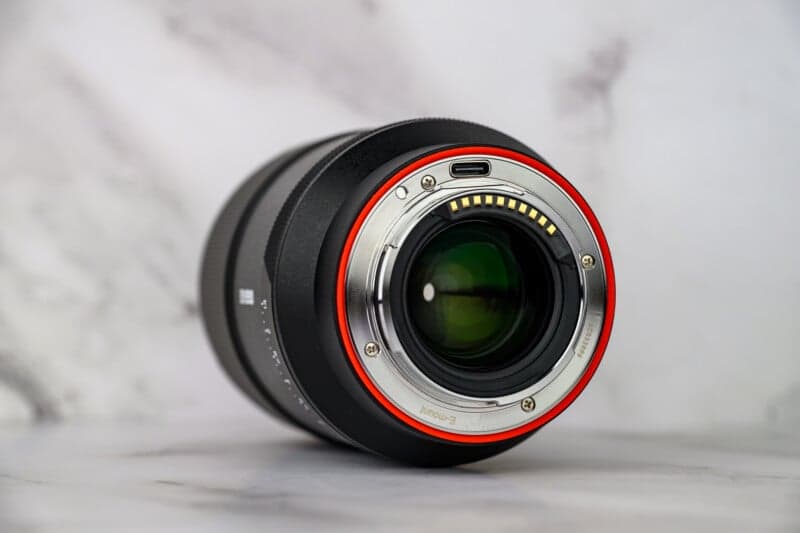
Sony a7 V tops Japan sales charts for five straight months
Sony’s a7 V kept No. 1 at Map Camera for five months, with buyers rewarding its sensor, lens depth and clear upgrade path.
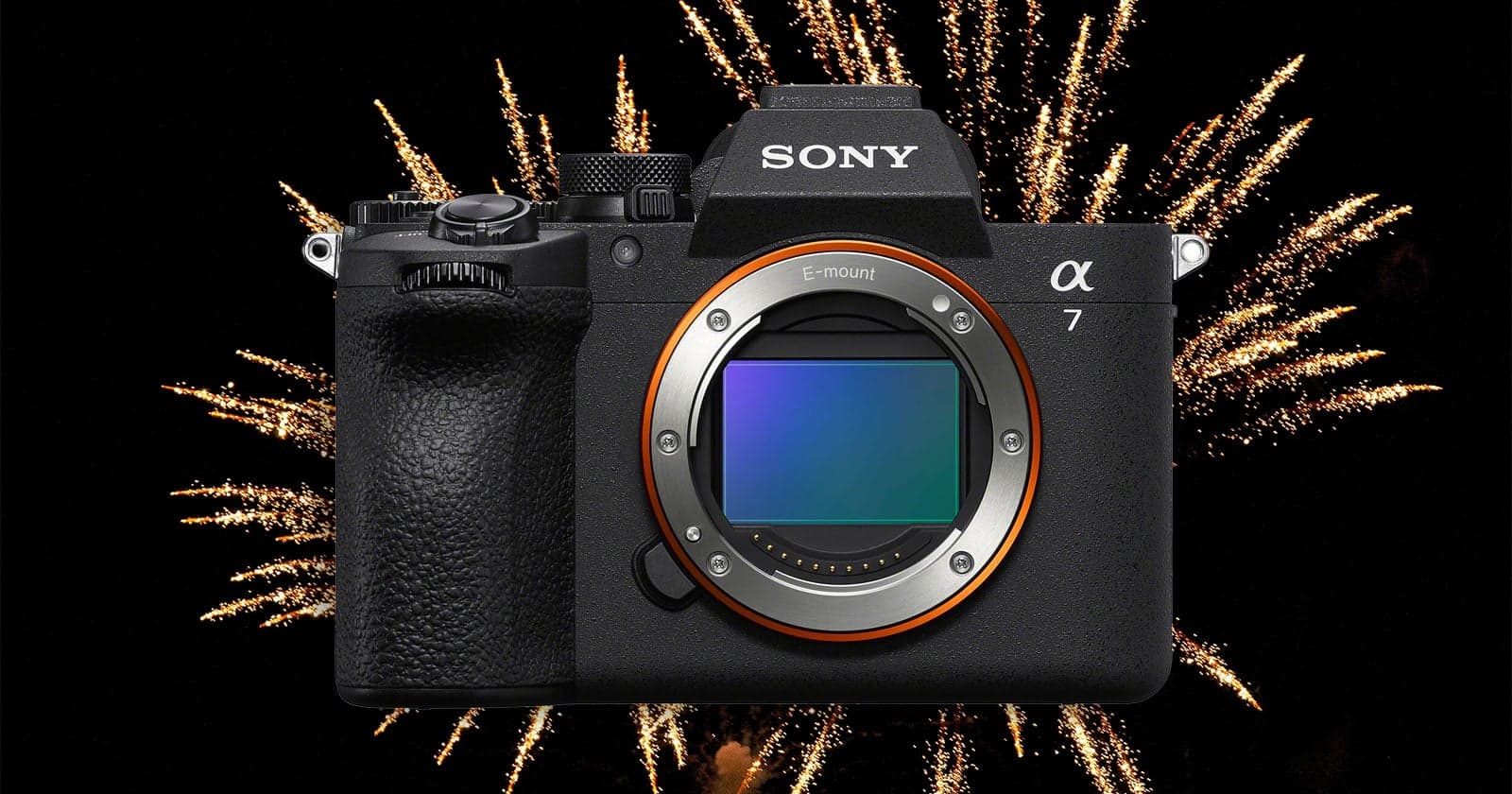
Sony’s a7 V did more than get off to a hot start in Japan. It stayed on top of Map Camera’s new digital camera sales chart for five straight months, holding first place every month since its December 2025 debut and finishing April 2026 with a clear lead over the Fujifilm X100VI.
That kind of run says a lot about what buyers valued right now. The a7 V was not just a premium full-frame body riding launch buzz. In Map Camera’s April ranking, the Sony 7V stood first, the Fujifilm X100VI was second, the Fujifilm X-T30 III third, the Canon PowerShot SX740 HS fourth, the Fujifilm X-E5 fifth, the DJI Osmo Pocket 4 sixth, the Fujifilm X-M5 seventh, the Ricoh GR IV eighth, the Sony 6700 ninth and the Sony 7C II tenth. Map Camera said the 7V remained ahead by a significant margin in April, a sign that its lead was not a narrow photo finish.
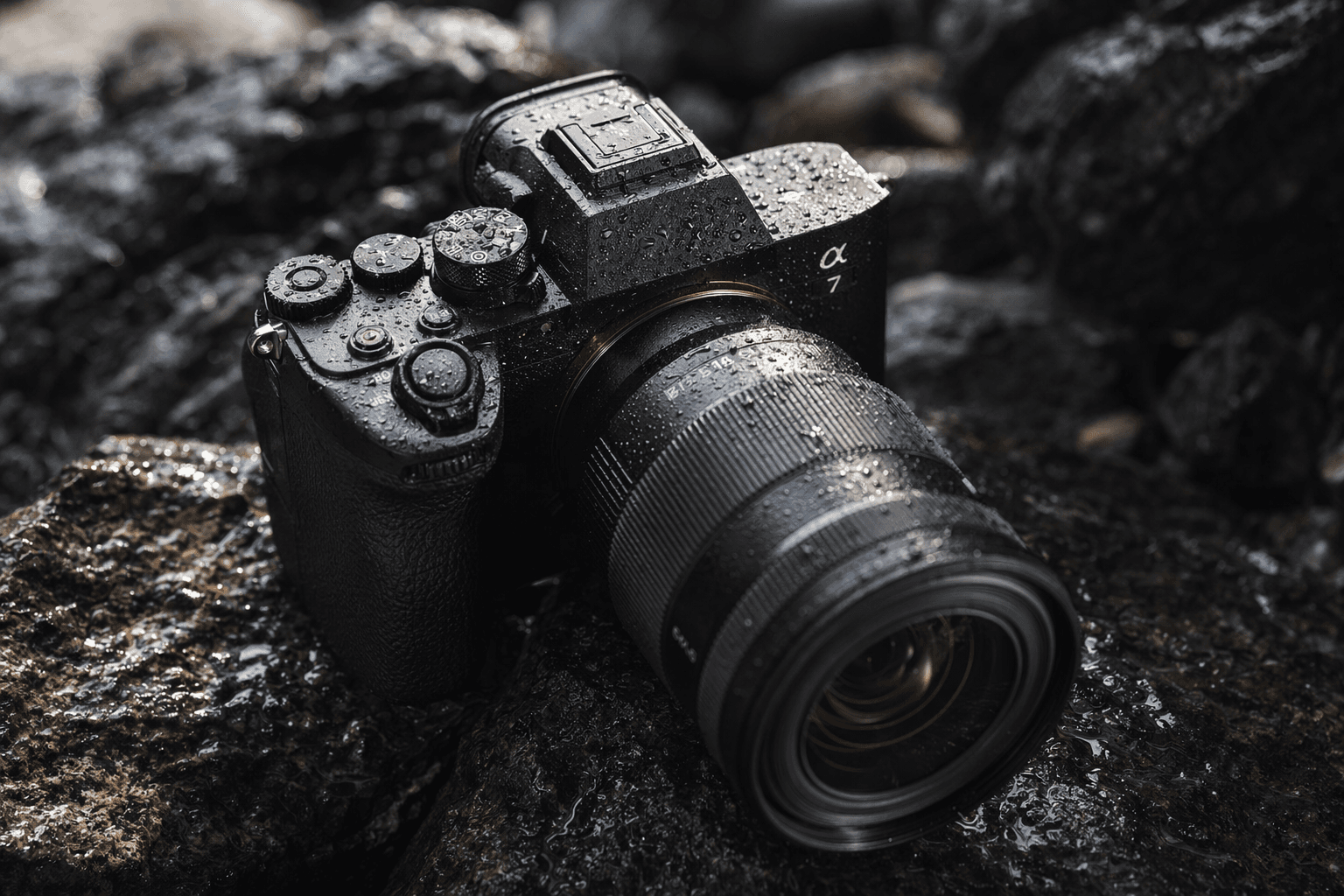
The appeal starts with the body itself. PetaPixel had already named the Sony a7 V a Camera of the Year Official Selection in its 2025 awards, while Sony’s 33MP partially stacked sensor was recognized as Technology Innovation of the Year. In its December 2025 review, PetaPixel pointed to the a7 V’s new stacked 33-megapixel sensor and BIONZ XR2 processor as the core of its pitch. For enthusiasts looking at a crowded full-frame market, that combination made the camera feel like a real step forward, not a mild refresh.
But hardware alone does not explain five straight months at the top. Map Camera also pointed to Sony’s E-mount ecosystem, and that matters in a way spec sheets cannot fully capture. Sony introduced E-mount in 2010, and a 2026 lens ecosystem guide counted 72 native lenses for the system. That depth gives buyers confidence that the camera they buy today will slot into a system with real room to grow, whether they are coming from an older a7 body or jumping from another brand entirely.
Map Camera said both kinds of buyers were in the mix. Many were upgrading from earlier a7-series cameras, but a noticeable number were switching in from elsewhere. That is the clearest clue to why the a7 V has resonated: it combined strong performance, a mature lens platform and a timing window where buyers seemed ready to move. Even in a market where the Fujifilm X100VI and Ricoh GR IV were constrained by supply, Sony’s new body kept winning on the strength of what it offered and what the system promised. Sony’s broader retail strength in Japan, including a separate April 2026 lead at Yodobashi, only reinforced the same point. The a7 V’s five-month streak showed that once launch excitement fades, buyers still reward a camera that feels like the safest, smartest place to put their money.
This article was produced by Prism’s automated news system from verified source data, official records, and press releases, then run through automated quality and moderation checks before publishing. The system is built and supervised by the people who set the standards it runs under. Read our full AI policy.
Did this article answer your question?