Sony A7R III Still Delivers, Why Age Does Not Mean Obsolete
Three generations on, the A7R III still makes a serious case for itself when image quality matters more than the newest headline feature.
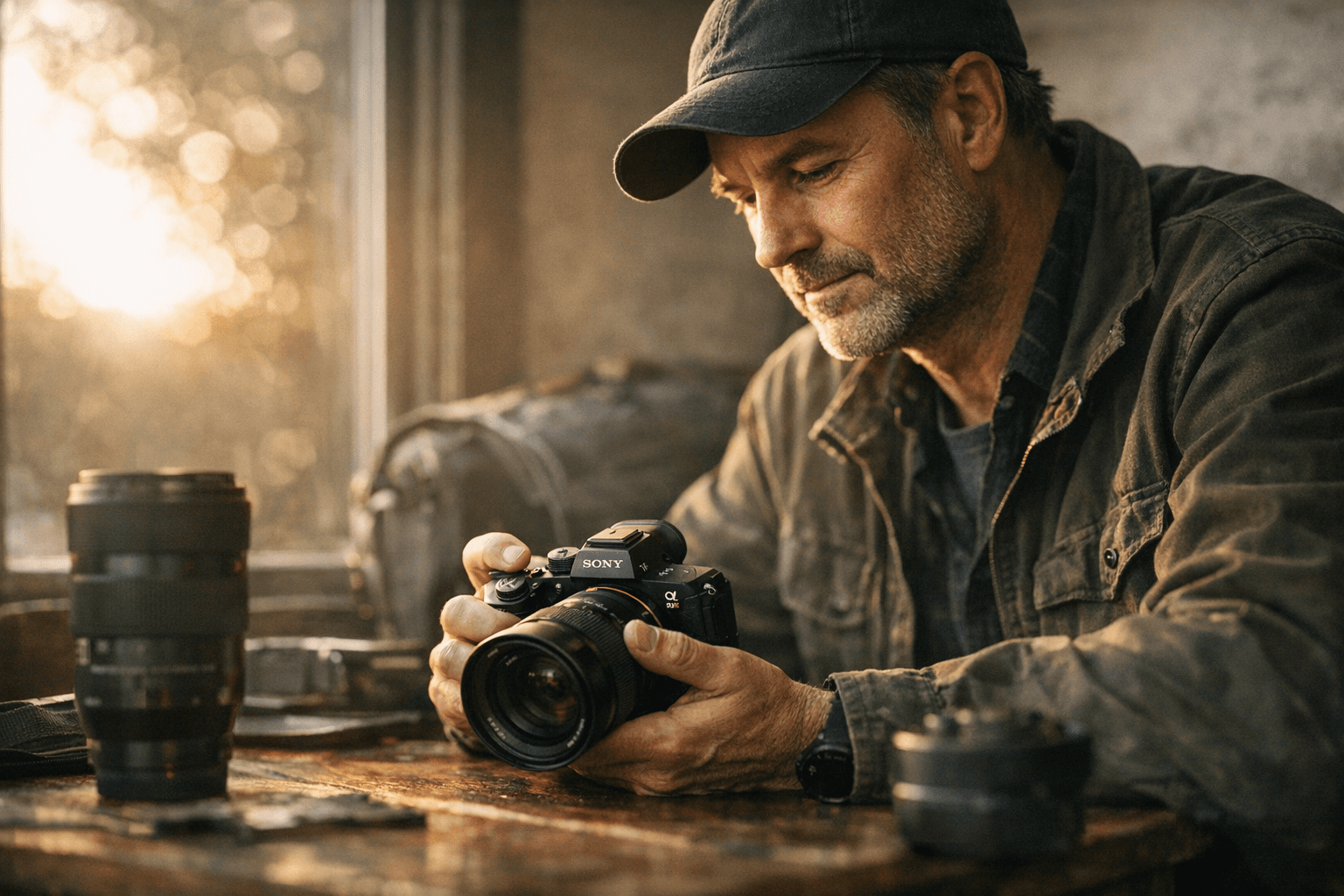
Three generations old, the Sony A7R III still makes a hard-to-ignore argument for itself: if your priority is still photography, age alone does not kill a great high-resolution body. The temptation in camera culture is always to treat every new release like a verdict on the last one, but that is marketing logic, not shooting logic. A camera that already delivers strong files, solid handling, and the right lens support can stay useful long after the product cycle has moved on.
Why the A7R III still works
The basic case for the A7R III is refreshingly unglamorous. It is a high-resolution mirrorless body with a reputation for strong stills performance, and that matters more than chasing the latest spec-sheet headline. Resolution, dynamic range, battery life, handling, lens ecosystem, and real-world file quality are the things that make or break a working camera, not whether a newer model has the freshest autofocus trick or a more aggressive video feature set.
That is why the A7R III still holds its ground. A camera does not stop being useful simply because Sony has moved on to newer flagships. If the files are still excellent, the controls still feel right in hand, and the lenses you own still mount up and perform, the body can keep earning its keep. For a lot of photographers, that is the entire point.
Where it still shines
The A7R III is still especially compelling for landscape, studio, portrait, and fine-detail work. Those are the jobs where a high-resolution sensor and dependable file quality matter most, because the camera is being asked to render texture, tonality, and detail rather than win a burst-rate contest or show off a video checklist. If your subjects reward careful framing and deliberate shooting, this is exactly the kind of body that can still feel like money well spent.
That also explains why older high-end cameras like this one remain attractive on the used market. The value gets better once the initial launch premium has vanished, and the practical gains can be real: more money left for better glass, lighting, or even the trip that gets you to the subject in the first place. In other words, the A7R III can look less like an aging body and more like a smart reallocation of budget.
The real tradeoff is not age, it is priorities
The honest question is not whether the A7R III is old. It is what you are willing to give up in exchange for a body that is already proven. If you care most about the newest autofocus refinements, the latest video mode, or the marketing comfort of owning the current model, you will feel the gap. If your work is still-first, that gap matters less than you might think.
This is where the older flagship formula makes sense. Cameras age, but good sensors and good ergonomics do not suddenly become useless. A body that already has a track record of delivering clean, detailed files can be more valuable than a fresher model that asks you to pay for features you will never actually use. The A7R III is a reminder that “obsolete” is often just shorthand for “not newest.”
Who gets the most out of it
The A7R III makes the most sense if your photography lives in the slower, more deliberate lanes. Landscape shooters will care about the resolution and file quality. Studio and portrait photographers will care about the handling, the dependable output, and the way the camera fits into a controlled workflow. Fine-detail work benefits too, because that is where a mature high-resolution body can keep producing results that hold up.
It is also a strong match for anyone who already has a Sony lens ecosystem in place. That piece matters more than people admit when they are doing the math on a body upgrade. Switching cameras is not just about the shell in your hand. It is about whether your current lenses, accessories, and shooting habits keep working without friction.
Why the used market changes the conversation
On the used market, the A7R III becomes much easier to justify. Once you stop treating it like a brand-new flagship and start treating it like a working tool, the value proposition changes fast. The body can still do the important job, which is making excellent still images, while costing far less than the latest release.
That is the practical appeal here. A photographer can put the savings into things that often move the needle more than a newer body ever will: better glass, improved lighting, a tripod that does not annoy you, or a travel budget that gets you to the scene in the first place. The camera market loves to sell upgrades as identity. Real-world shooting tends to reward the opposite, which is keeping the tools that still fit the work.
The smartest way to judge an older camera
The A7R III is a good test case for a broader truth in the mirrorless era: the best camera is often the one that still fits your actual workflow. If the camera already gives you the resolution, battery life, handling, and file quality you need, replacing it can be more about nerves than necessity. That is especially true when the body has already proven itself across years of use.
So the right way to look at the A7R III is not as a relic, but as a still-serious stills machine that happens to be older. It may no longer sit at the top of Sony’s lineup, but it can absolutely stay relevant for photographers who care about image quality first and marketing cycle noise last. For those shooters, age is not a flaw. It is often the reason the deal makes sense.
This article was produced by Prism’s automated news system from verified source data, official records, and press releases, then run through automated quality and moderation checks before publishing. The system is built and supervised by the people who set the standards it runs under. Read our full AI policy.
Did this article answer your question?