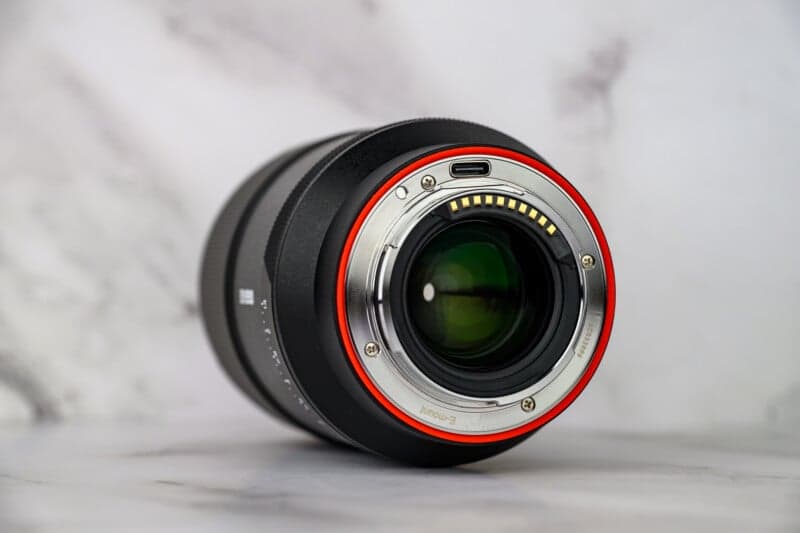
Sony a7R VI blends 66.8-megapixel resolution with speed and video
Sony’s a7R VI is no longer just a resolution machine. Its stacked sensor, 30 fps bursts and uncropped 4K video make it a far more usable all-rounder.
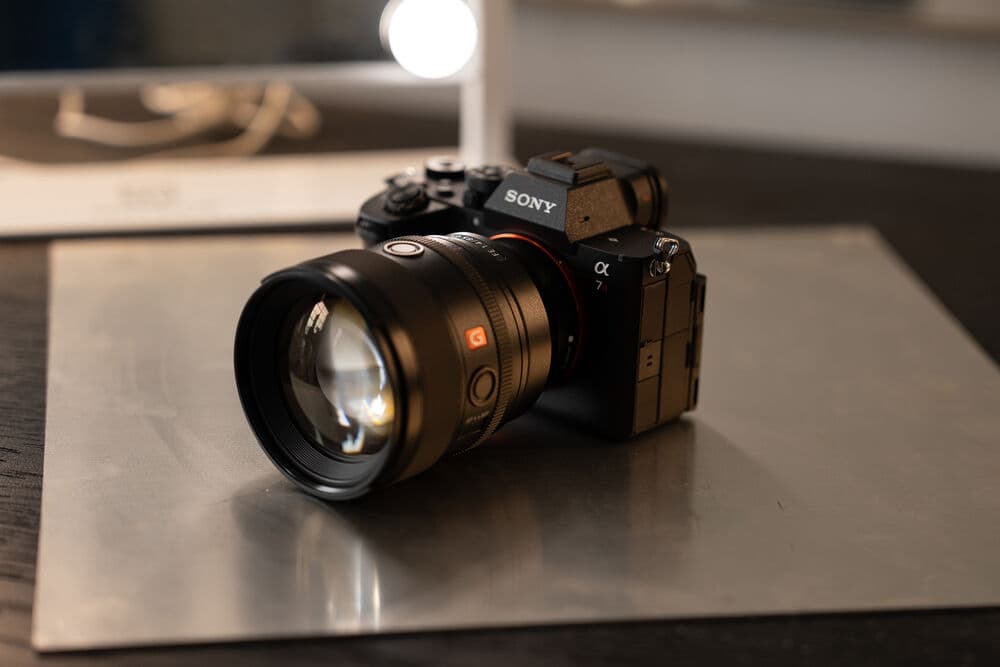
The Sony a7R VI asks a sharper question than most high-resolution cameras do: do you still need to treat a 66.8-megapixel body like a tripod-bound specialist? DPReview’s June 10 review says Sony has turned the sixth-generation a7R into something more flexible, pairing that huge sensor with stacked-sensor speed, stronger autofocus and hybrid video features that reach well beyond studio and landscape work. The result is a camera that still rewards detail hunters, but no longer behaves like it is waiting to be taken off action duty.
A high-resolution body that now moves faster
Sony says the a7R VI is the first camera in the a7R series to use a fully stacked Exmor RS image sensor, backed by the BIONZ XR2 image processing engine with built-in AI. That matters because the usual tradeoff with very high resolution is slower readout and a less responsive shooting experience, especially when you are trying to follow motion. Sony claims readout speeds up to 5.6x faster than previous approaches in the series, and DPReview’s framing of the camera reflects that shift: this is a high-resolution body designed to behave more like a faster one.

That design choice changes the way the camera fits into real shooting. Faster readout helps make the EVF and autofocus behavior feel more confident in fast-moving scenes, and it also gives Sony room to push burst rates and video modes without the a7R line collapsing back into “slow but detailed” territory. For anyone who has skipped past high-megapixel bodies because they seemed too niche, the a7R VI is Sony’s clearest attempt to remove that excuse.
What 66.8 megapixels actually buys you
Resolution is still the headline feature, and it is not a minor one. With 66.8 megapixels on tap, the camera gives you serious cropping freedom, which is one of the most practical reasons to carry that much sensor real estate in the first place. Wildlife framing, candid moments, travel scenes and distant subjects all benefit when you can tighten composition later without immediately running out of detail.
That same resolution also keeps the a7R VI firmly attractive for landscapes, studio portraits and product work, where fine texture and large output files are the point. Sony’s low-sensitivity dynamic range claim of up to 16 stops adds another layer of usefulness for careful exposure work, especially when you are pulling shadow detail or protecting highlight-heavy scenes. This is still a camera built for detail first, but the difference now is that detail no longer feels like the only thing it can do.
Burst shooting is no longer the weak link
The most important shift for everyday shooting is not the pixel count. It is the fact that Sony says the a7R VI can shoot 30 fps bursts at full resolution, while DPReview’s specs page also lists mechanical shooting up to 10 fps and electronic shooting up to 30 fps. That combination is what separates a modern high-resolution body from the old idea of a slow, deliberate camera.
For action, this means you can actually trust the body to keep up when timing matters. Blackout-free operation and extensive AF and AE tracking calculations make the burst mode more usable than a raw frame-rate number would suggest, because the camera is not only firing quickly, it is also staying engaged with the subject. That is the kind of improvement that matters when a camera is used for sports sidelines, moving animals or unpredictable candid work, where one missed beat can cost the shot.
Autofocus and stabilization make the camera feel less specialized
Sony’s newer processing and deeper autofocus system are a large part of why DPReview describes the a7R VI as more versatile than a typical high-resolution body. In practical terms, that means the camera is built to stay reliable when subjects move, rather than assuming a controlled environment. The AF system is part of the reason the body can credibly cover motion and wildlife alongside the genres traditionally associated with the a7R line.
Sony also claims a 5-axis stabilization system rated up to 8.5 stops at the center, which helps the camera stay usable for hand-held work when light drops. That is a meaningful number for a body aimed at both stills and video, because it gives you more flexibility before you have to lean on a tripod or raise ISO. Put together, the autofocus, stabilization and faster sensor readout make the a7R VI feel like a camera that wants to be taken out of the bag for more than one type of assignment.
Video and audio make the hybrid case stronger
Sony is clearly positioning the a7R VI as a stills-and-video body, not just a stills camera with a movie mode. The company says it offers 4K 60p without cropping, which is a useful sign that the camera is being treated as a serious hybrid tool rather than a compromised one. Uncropped 4K keeps your field of view consistent and preserves the lens choices you planned for, which matters when you want one body to cover both photography and production work.
The accessory story reinforces that direction. Sony’s XLR-A4 audio adapter supports 96 kHz / 32-bit float recording and is designed to reduce the need for gain adjustments and increase post-production flexibility. That is a very specific workflow advantage for creators who want a single system for stills and clean audio capture, especially when recording interviews, behind-the-scenes work or field content where audio levels can change fast. In other words, Sony is not only selling image quality here. It is selling fewer workflow headaches.
The tradeoff is still real: files, storage and price
A camera with 66.8 megapixels will always demand more from your workflow, even when it is unusually quick for its class. Large files mean more storage, more card capacity, heavier editing loads and more time spent moving data around. That is the cost of the cropping freedom and fine detail the sensor delivers, and it is the part of the a7R VI story that matters most if you are coming from a lower-resolution Sony body.
Price also keeps the camera in premium territory. DPReview lists the U.S. MSRP at $4,499, which puts the a7R VI squarely in the range where buyers need to know what they are paying for. This is not the body to buy just because it has the biggest number on the spec sheet. It is the body to buy when you will actually use the resolution, need the speed, and want one camera that can credibly cross between landscapes, portraits, wildlife, motion and video.
The a7R VI’s real achievement is that it weakens the old excuse that a high-resolution Sony has to be a specialist. The opening question now has a much clearer answer: yes, it still gives you the detail hunters want, but Sony has built enough speed, autofocus confidence, burst usability and hybrid video muscle into the body that it can serve as a true all-rounder for photographers who do a lot more than shoot landscapes and studio frames.
This article was produced by Prism’s automated news system from verified source data, official records, and press releases, then run through automated quality and moderation checks before publishing. The system is built and supervised by the people who set the standards it runs under. Read our full AI policy.
Did this article answer your question?