Sony a7R VI tests show faster shooting with stronger dynamic range
Sony’s latest a7R tests point to a real shift: faster shooting without giving up much shadow recovery, though the gains are still measured more than dramatic.
Sony is trying to break the old high-resolution compromise
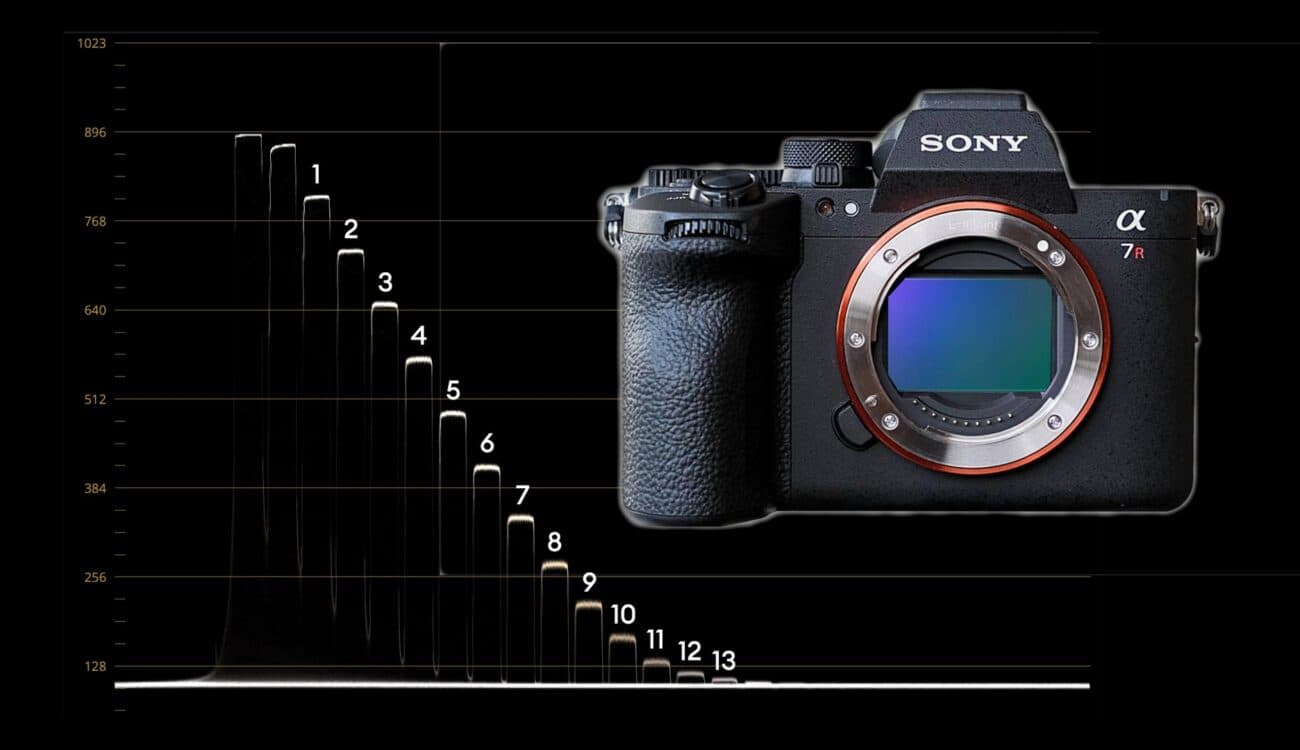
The a7R VI is interesting because it is not just chasing speed or just chasing latitude. Sony is positioning it as the quickest camera in the a7R line while also claiming better dynamic range than its predecessors, which is exactly the balance high-resolution shooters have wanted for years. Instead of forcing photographers to choose between fast operation and tonal flexibility, the camera uses a dual-readout approach that blends low- and high-gain steps in a way that resembles partially stacked sensor designs.

That matters because the classic high-resolution tradeoff shows up in real shooting all the time. Faster readout usually raises hopes for responsiveness, but it often brings questions about whether shadow recovery, highlight protection, and low-ISO flexibility will hold up. The a7R VI’s appeal is that it appears to push on both fronts at once, without turning the camera into a pure speed machine that sacrifices the very image quality landscape and studio shooters buy into the a7R line for.
The test results point to a real, but careful, improvement
DPReview’s studio testing says the a7R VI does improve on the a7R V, but in a measured way rather than a dramatic one. The clearest gains show up in the deepest shadows, especially when using the mechanical shutter or the electronic front-curtain shutter. In those extremes, the camera shows slightly less noise, which is exactly the sort of difference that can rescue a frame when exposure has to be protected in the field.
That kind of result is easy to miss if you only look for headline-grabbing jumps. But for photographers who routinely work near the edge of exposure, the detail matters. A modest reduction in shadow noise can make underexposed files cleaner after correction, and that translates into more confidence when a scene has bright highlights that must be preserved, whether that means retaining cloud texture, window detail, or reflective surfaces.
Why ISO invariance is the part that really counts
The most useful part of the test is not the chart itself, but what it says about how the files behave when pushed later. DPReview found that the a7R VI behaves very well when you underexpose at lower ISO settings and then lift the image in Adobe Camera Raw. That is the practical definition of a forgiving sensor workflow: if you miss exposure slightly or intentionally protect highlights, the file still gives you room to recover the shadows without ugly artifacts taking over.
For landscape photographers, that is a big deal on high-contrast days when the sky is bright and the foreground is dark. It also matters in interiors and available-light portraits, where the temptation is often to expose carefully for the brightest areas and trust post-processing to bring the rest back. The stronger the ISO invariance, the less punishing that strategy becomes, and the more usable the file is when the light is not cooperating.
What it means in the field for landscapes, interiors, and portraits
In practical terms, the a7R VI’s stronger shadow behavior is most valuable when the scene gives you no second chance. In landscape work, that means keeping highlight detail in skies while still pulling up rocks, trees, or shaded valleys later. In interiors, it helps when windows are blasting in sunlight and the room itself sits several stops darker. In available-light portrait work, it gives you more room to keep skin tones and background detail in balance without forcing a decision that ruins one side of the frame.
This is also why the dual-readout design feels meaningful. It suggests Sony is trying to preserve the a7R’s image-quality reputation while making the camera quicker and less fragile in exposure handling. That combination is far more useful than a spec bump that only looks good on paper, because real assignments are usually about getting the shot now and making the file hold together later.
Studio, wedding, and large-print shooters will notice the difference first
The a7R VI’s gains are likely to feel most valuable to photographers who live in mixed lighting and heavy post-production. Studio shooters can work more aggressively around lighting ratios, knowing the file tolerates shadow lifting better than before. Wedding shooters, who are constantly moving between dark interiors, blown-out windows, and fast-changing scenes, get a camera that gives them a little more breathing room when exposure has to be protected in the moment.
That same logic extends to anyone producing large prints. DPReview’s framing makes clear that the upgrade matters most to people who regularly print big, recover shadows, or work in situations where latitude is precious. Those are the users who will actually see the practical payoff of cleaner deep shadows and more forgiving lower-ISO files, because they tend to push files harder than casual shooters do.
The catch: better is not the same as revolutionary
DPReview is careful to note that the improvements are measurable and visible in test charts, but subtler in real-world shooting. That distinction is important, because it keeps the a7R VI from being oversold as a breakthrough when it is really a refinement. The camera seems to be sharpening a formula that already worked, rather than rewriting what a high-resolution body can do.
That restraint may be the most honest part of the story. The a7R VI does seem to move the line forward on speed and dynamic range at the same time, which is no small thing. But the gains are still the kind that matter most to photographers who notice one-stop differences in shadow recovery, not the kind that completely change how every image is made.
For the a7R line, that is still a meaningful shift. The old bargain between extreme resolution and usable dynamic range looks a little less rigid now, and for the people who depend on both, that is exactly the sort of upgrade worth paying attention to.
This article was produced by Prism’s automated news system from verified source data, official records, and press releases, then run through automated quality and moderation checks before publishing. The system is built and supervised by the people who set the standards it runs under. Read our full AI policy.
Did this article answer your question?