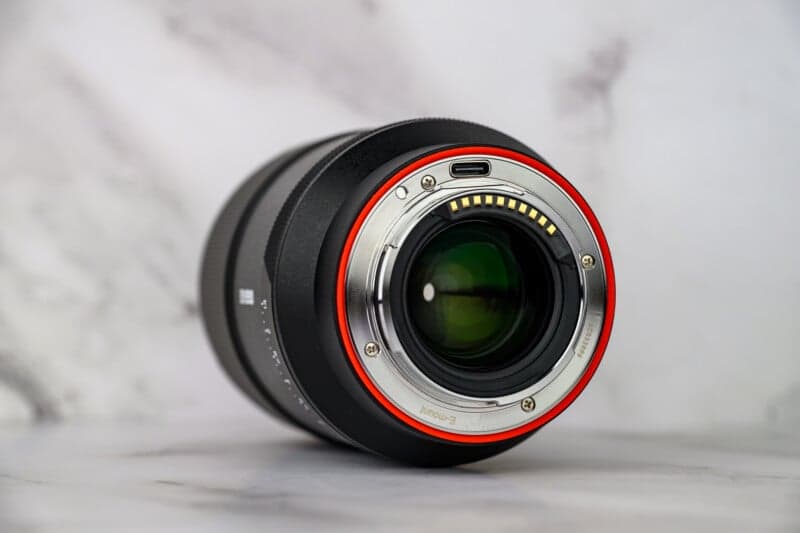
Sony’s 100-400mm GM lens gallery shows telephoto reach in action
Sony’s 100-400mm GM is built for the moments when reach, framing, and handling all have to work at once, not just look good on a spec sheet.
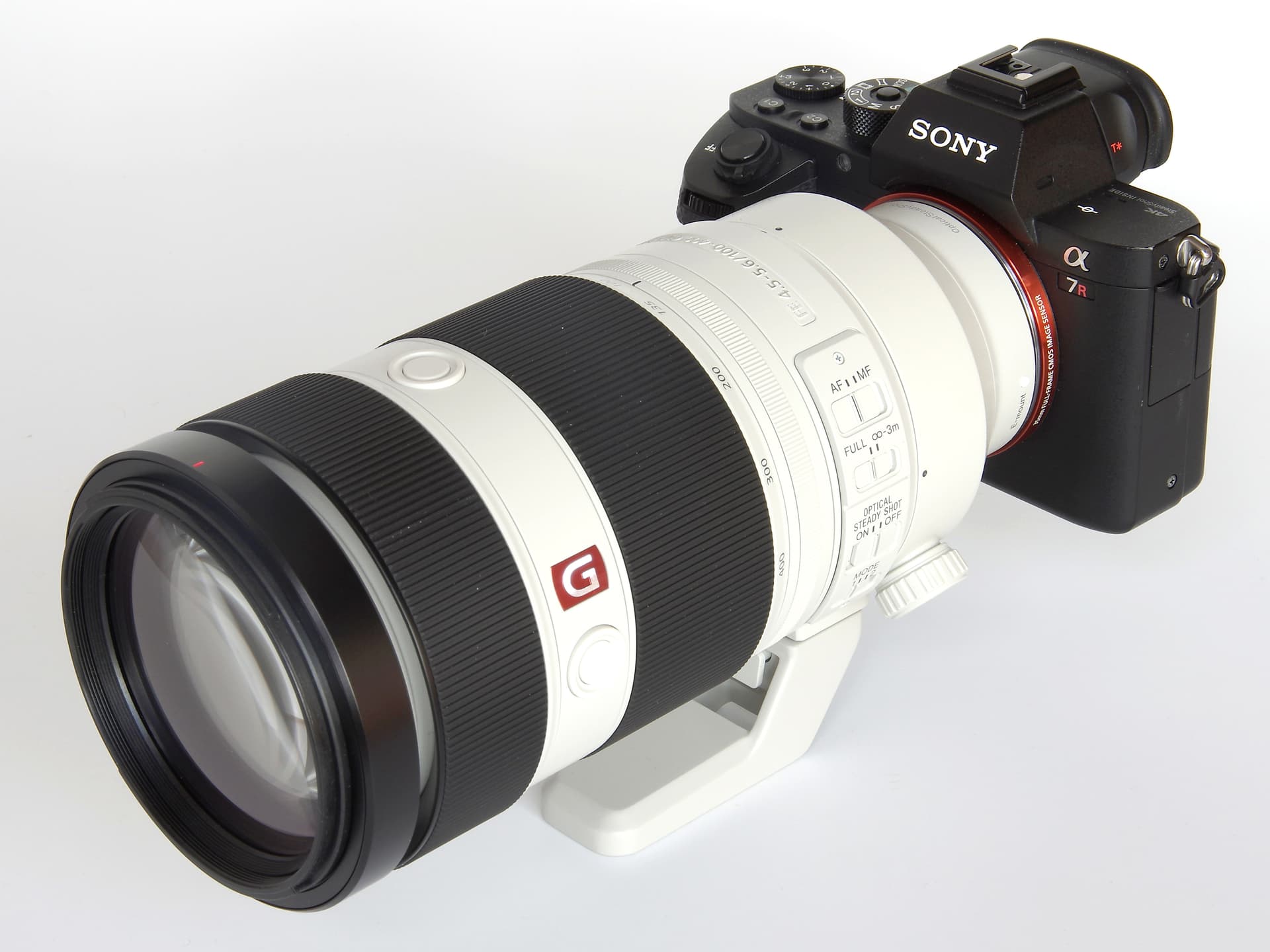
Reach is only the beginning
Sony’s FE 100-400mm F4.5 GM OSS makes its case the moment you stop thinking about focal length as a number and start thinking about what survives in the frame. On a high-resolution Sony body, that matters fast: the lens is aimed at the hard part of wildlife and sports work, where subject isolation, framing precision, and keeper rate matter more than bragging rights. Sony positions it as an advanced super-telephoto zoom with constant aperture, internal zoom, fast autofocus, and professional operability, and that description fits the way the lens is meant to be used in the field.
DPReview’s sample gallery reinforces that idea by showing the lens in rugby, bird sanctuary, and New York street scenes. That mix is the right proof set for a lens like this, because it shows that 400mm is not only about getting closer. It is also about compressing space, stripping away distractions, and turning a busy scene into one clean decision.
What 400mm actually buys you
At the long end, 400mm on a full-frame body gives you the distance needed to isolate athletes and catch peak action without forcing you into the middle of the chaos. That extra reach can be the difference between a frame that feels cluttered and one that lands with a single clear subject. In sports, that usually means a cleaner athlete silhouette, tighter background control, and more room to work from the sideline or perimeter.
The same logic applies to birds and wildlife, where the subject often appears small, skittish, and poorly positioned for the light you actually want. Sony says the lens is ideal for wildlife, birds, sports, photojournalism, and more, and that broad list makes sense because the practical win is not just magnification. It is the ability to hold a subject in the frame long enough to make the shot count.
The New York frames in the gallery hint at a quieter advantage too. Long telephoto lenses can flatten distance, pull separate planes together, and turn crowded urban scenes into layered compositions of faces, motion, and architecture. That makes the 100-400mm less of a one-note reach machine and more of a flexible tool for photographers who like to work the edges of a scene.
Why the design matters as much as the range
Sony’s earlier FE 100-400mm F4.5-5.6 GM OSS, introduced in 2017, was the first super-telephoto zoom in the company’s flagship G Master series. This newer FE 100-400mm F4.5 GM OSS is framed as a spiritual successor, and the changes are the ones working photographers feel immediately. The lens now has a constant F4.5 maximum aperture, an internally zooming design, and a wide selection of controls, which is Sony’s way of saying that handling is part of the product promise.
That matters because telephoto success is often a handling problem before it is an optical one. When you are tracking a runner, a bird in flight, or a sideline collision, the lens has to stay predictable in the hands. Internal zoom helps keep the physical balance more consistent as you move through the range, and a constant aperture keeps exposure steadier as you zoom, which is a big deal when your subject is moving and your attention is already split.
Sony’s product pages lean hard into this professional-field logic. The company describes the lens as built for incredible image quality, fast autofocus, and professional operability, with a design meant to improve handling and reliability. That combination is exactly what makes a telephoto zoom feel like a working tool instead of a luxury object.

Keeper rate, not just image quality
A long lens on a high-resolution body can be unforgiving, and that cuts both ways. Sharp glass is part of the equation, but so is the photographer’s ability to keep the subject framed, the camera steady, and the background where it belongs. The FE 100-400mm F4.5 GM OSS is built for that kind of discipline. It is not just about whether the lens can resolve detail. It is about whether you can actually turn a fleeting moment into a frame worth keeping.
That is where the gallery format helps. Sports, birds, and urban scenes each test a different kind of keeper rate. In rugby, you need timing and framing under pressure. In bird work, you need responsiveness and a lens that does not fight your movements. In street photography, you need the reach to isolate without losing the rhythm of the scene. DPReview’s approach makes the lens feel like a field instrument because it shows the different ways the lens earns the shot.
Where the size and cost stop making sense
This is the point where a lens like this separates serious use from occasional curiosity. If you regularly shoot wildlife, birds, sports, or photojournalism, the 100-400mm GM starts to justify itself as soon as you need fast framing, consistent exposure, and controlled handling in one package. It is a lens for working from the outside of the action and still coming home with images that feel close, deliberate, and clean.
If your long-lens use is more occasional, the equation changes. The constant aperture, internal zoom design, broad control layout, and G Master positioning all point toward a professional tool, and professional tools only pay off when you actually use the features they are built around. Once reach is something you need once in a while rather than constantly, lighter telephoto options begin to make more sense because they ask less of your bag, your shoulders, and your budget.
That is the real lesson in Sony’s gallery. The 100-400mm GM is not trying to win by being merely long. It is trying to win by staying usable when the subject is moving, the light is changing, and the camera needs to stay calm in your hands.
A lens built for the hard part of the job
Sony launched the FE 100-400mm F4.5 GM OSS alongside the a7R VI on May 13, 2026, and that timing tells you exactly who it is for. High-resolution bodies demand lenses that can keep up, and this one is built to turn reach into usable frames rather than just distant subjects. In the end, the gallery’s real message is simple: the value of a 100-400mm is not that it gets you farther away, but that it helps you make the farther shot look controlled, intentional, and worth keeping.
This article was produced by Prism’s automated news system from verified source data, official records, and press releases, then run through automated quality and moderation checks before publishing. The system is built and supervised by the people who set the standards it runs under. Read our full AI policy.
Did this article answer your question?