Texas photographer spends six and a half years capturing every state park
Six and a half years in Texas state parks turned one landscape project into a lesson in patience, editing, and showing up when the light barely lasts.
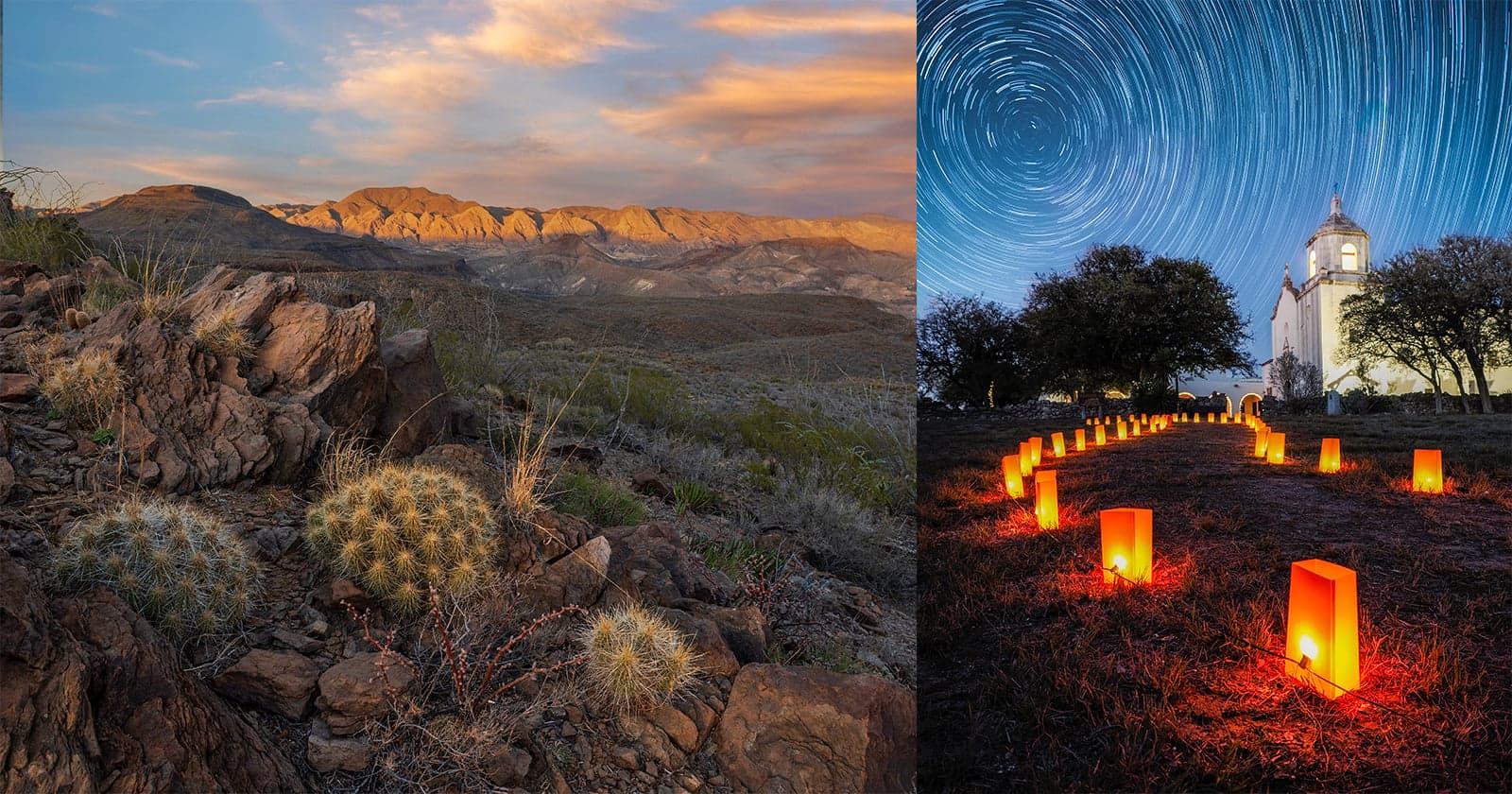
At 1:45 a.m., Maegan Lanham left camp, drove 54 miles down a backcountry road, hiked 3.5 miles into a dark canyon, and climbed more than 1,300 feet for a sunrise that lasted only minutes. That kind of effort says everything about why photographing every Texas state park becomes more than a checklist: the final frame is only the last step in a much longer practice of returning, adapting, and staying in the field when conditions are ugly or uncertain.
The scale of the target
Texas makes the idea of a complete park project feel almost reckless in the best possible way. Texas Parks and Wildlife Department says it oversees more than 640,000 acres across 89 state parks, historic sites and natural areas, while its public Texas State Parks guide lists 88 destinations for visitors. Those numbers matter because they show the size of the canvas Lanham chose, and also because the canvas keeps changing as parks are added or reclassified.
That moving target is part of the story. In May 2026, Texas announced that Silver Lake Ranch in Edwards County and Kinney County would become a new state park, and reporting said the future Silver Lake State Park would cover about 54,000 acres, making it the second-largest park in Texas behind Big Bend Ranch. The purchase is tied to the voter-approved $1 billion Centennial Parks Conservation Fund created in 2023, and TPWD has publicly discussed using that fund to add new parkland. A project like Lanham’s is never really finished in a system that is still expanding.
What six and a half years does to a photographer’s eye
The biggest lesson in a long landscape project is not really about one park or one famous overlook. It is about returning to the same ground in different seasons, different weather, and different moods until you stop chasing the obvious frame and start seeing how a place changes under your feet. Lanham’s own takeaways are practical in the way working photographers usually mean practical: wake up for sunrise, revisit the same places, and be ready to toss the plan when conditions demand it.
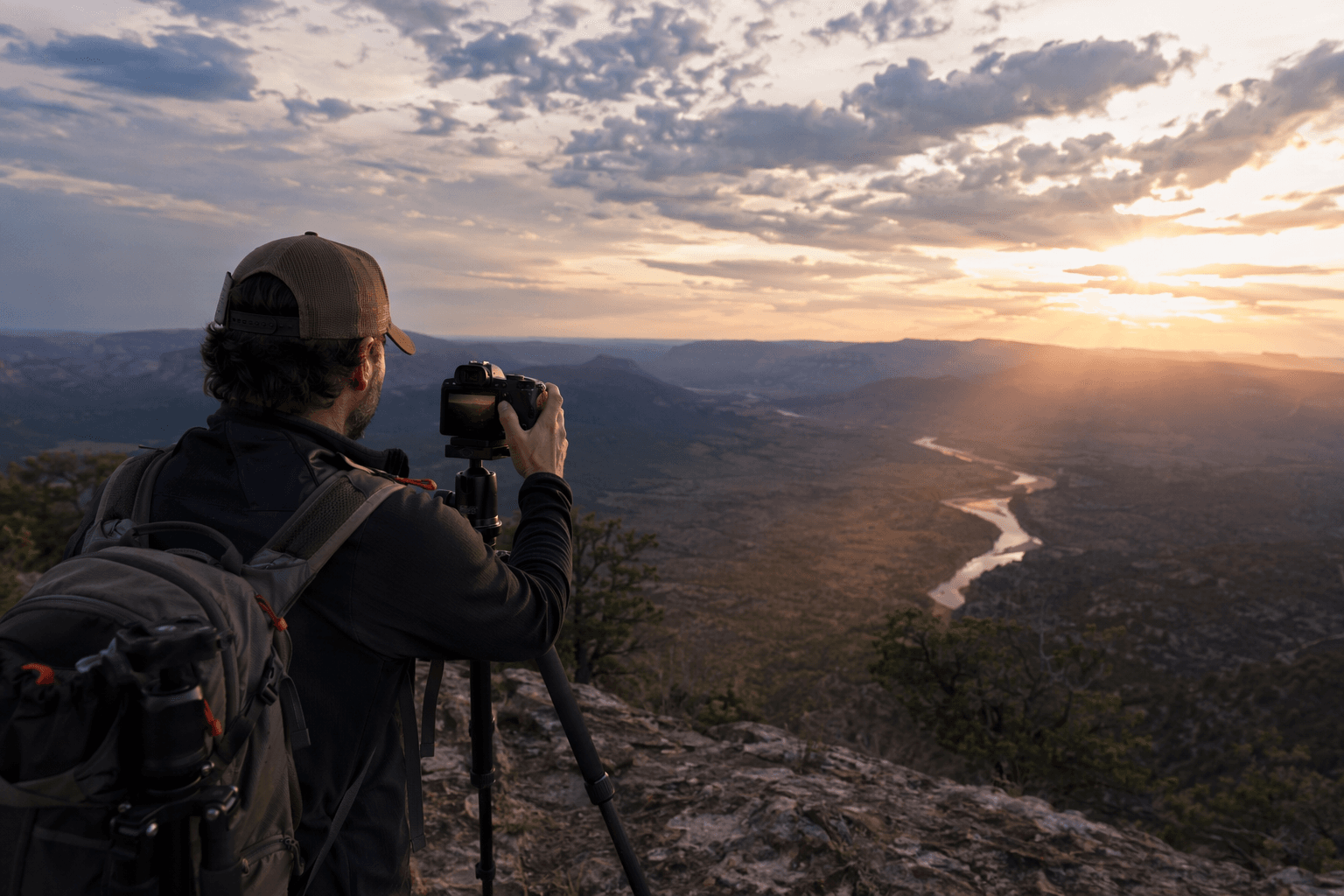
That repetition sharpens judgment faster than a stack of one-off trips ever could. When you are back in the same terrain again and again, you learn which ridgelines catch first light, which canyons punish a heavy pack, when wildlife becomes the distraction instead of the assignment, and how far you can push before the day turns from ambitious to foolish. The project teaches fieldcraft in a very specific way: not by promising perfect conditions, but by forcing you to work through the imperfect ones.
The kit has to match the work
The gear named in the project tells you a lot about how that fieldcraft becomes visible on the ground. The body and lenses featured include the OM-1 Mark II, the M.Zuiko 150-400mm F4.5 TC1.25x IS PRO, and the 7-14mm F2.8 PRO. That combination covers two ends of the Texas park problem at once: the long reach needed for wildlife and compressed distant landscapes, and the ultra-wide view needed for big skies, canyons, and tight foregrounds.
The useful lesson is not that one brand solves the project, but that the right kit follows the work instead of dictating it. A six-and-a-half-year park project rewards cameras and lenses that let you move fast, travel light, and switch from one kind of frame to another without turning every outing into a gear exercise. When a sunrise is measured in minutes, the camera has to be ready before the light is.
Editing a body of work over years
Lanham was already deep into the project by April 2022, when Texas Parks & Wildlife magazine said she had checked off 70 state parks on her quest to visit them all and identified her as its new magazine photographer. Her byline later appears on Texas Parks & Wildlife magazine and Texas Parks and Wildlife Department features, which fits the shape of a photographer whose work has become part of the institution she has spent years documenting.
That matters for how the pictures get edited, not just how they get made. A long-term body of work forces hard choices about repetition, sequence, and what actually belongs in the final set. You stop keeping every good image just because it was hard won, and you start asking which frames say something different about the state, the weather, or the way a place feels after you have seen it in heat, in fog, and in the raw predawn dark.
Why the project keeps its relevance
Texas is still building out its park system, and that gives this kind of work a documentarian edge as well as a personal one. The addition of Silver Lake Ranch, backed by the Centennial Parks Conservation Fund, means the map Lanham set out to complete is not fixed. Every new parkland acquisition changes the shape of the project and the shape of the visual record.
That is why the sunrise at the end of a 54-mile drive and a 3.5-mile climb matters less as a trophy than as a method. After six and a half years, the lesson is not that any single park made the photographer better. It is that coming back, over and over, made the photographer’s eye durable enough to keep up with a landscape that never stands still.
This article was produced by Prism’s automated news system from verified source data, official records, and press releases, then run through automated quality and moderation checks before publishing. The system is built and supervised by the people who set the standards it runs under. Read our full AI policy.
Did this article answer your question?