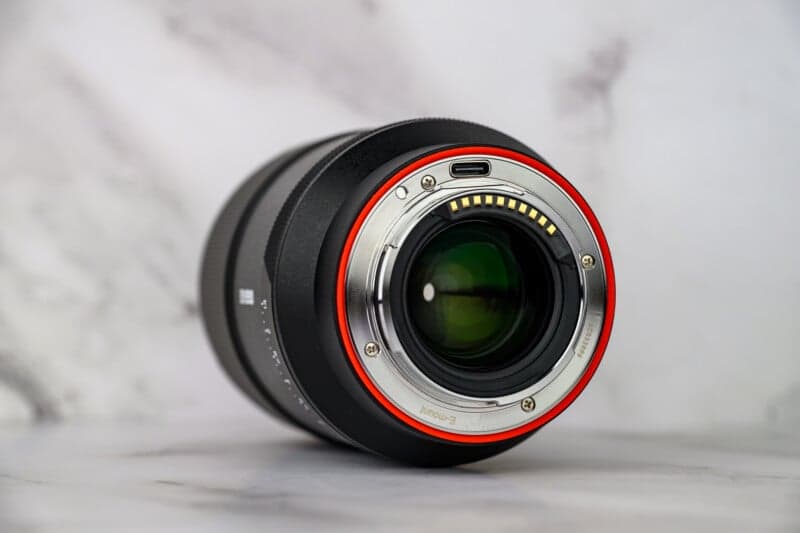
Thypoch Debuts First Autofocus Full-Frame Zoom, a 24-50mm f/2.8
Thypoch skipped the safe prime and went straight for a 24-50mm f/2.8 zoom, taking aim at one of Sony’s most telling compact full-frame slots.
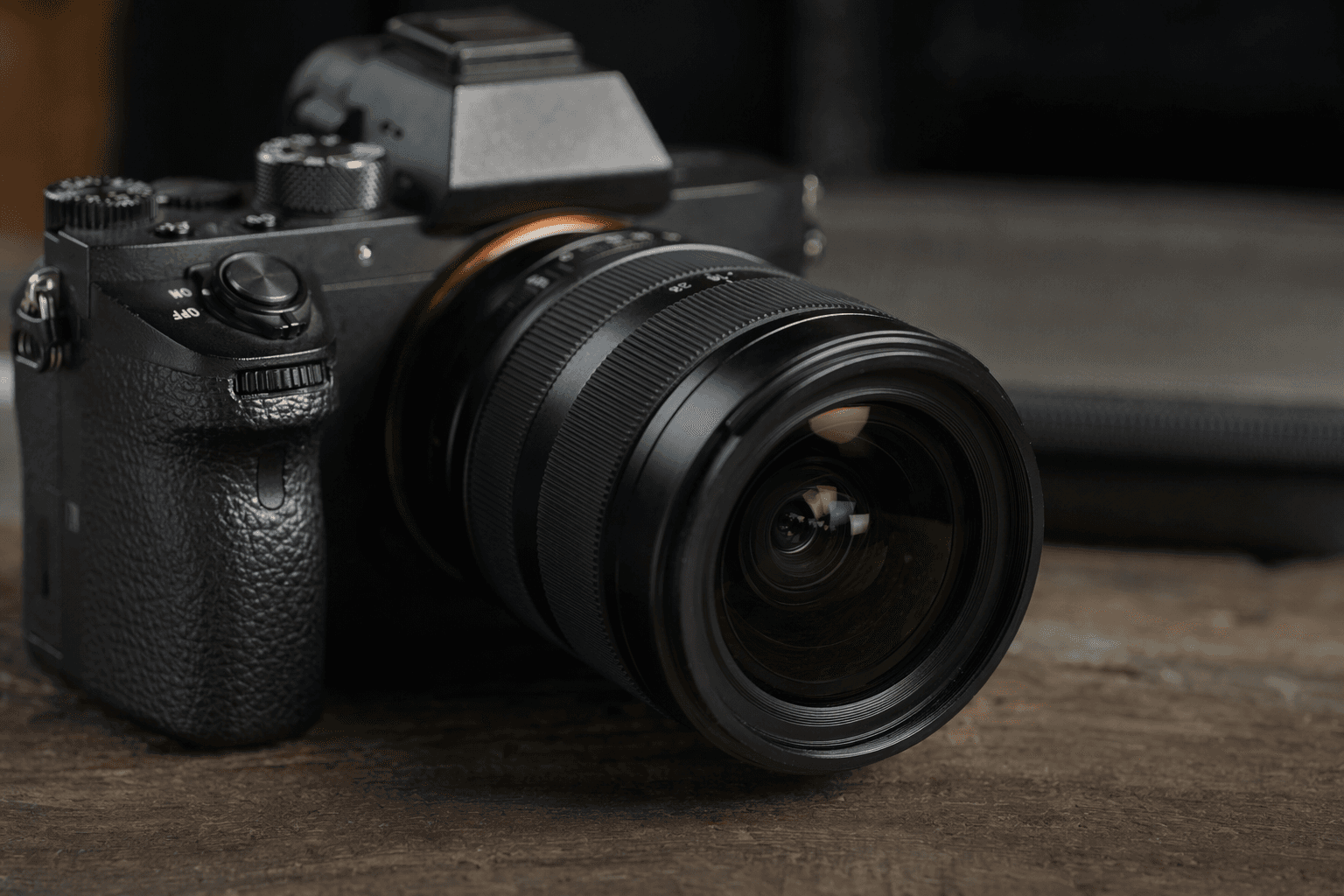
Thypoch’s first autofocus lens is not a cautious prime. It is a full-frame 24-50mm f/2.8 zoom, and that choice says a lot about where lens competition is heading: smaller brands are no longer treating first-party mirrorless zooms as untouchable.
That matters because Sony already planted a flag in this exact space with the FE 24-50mm F2.8 G, announced on February 21, 2024 and positioned as a compact full-frame standard zoom for everyday use. Sony launched it in the United States at $1,098, with a 440-gram body, a 67mm filter thread, 16 elements in 13 groups, and a minimum focus distance of 18 cm. Sony has leaned hard on the idea that 24-50mm is an ideal daily range, pairing portability with fast, sharp autofocus. Thypoch is now stepping directly into that same lane.
In an interview with DPReview’s Mitchell Clark, Thypoch Go-To-Market manager Xavier Luo said the 24-50mm f/2.8 project began at the end of 2024 and took almost a year to prepare for large-scale manufacturing. For a company founded in 2023, that is a fast move into a category where autofocus execution and optical discipline matter more than novelty. It is also the first autofocus lens, and the first autofocus zoom, Thypoch has brought to market.
Thypoch is not starting from zero. The company says it draws on a decade of industrial optical expertise and cinema-lens craftsmanship, and it already makes manual-focus zooms across several formats. Its Simera full-frame primes span Leica M, Nikon Z, Sony E, Fujifilm X, and Canon RF, while its related optics business, DZOFILM, has been building cine lenses since 2019. That background helps explain why Thypoch chose a zoom for its autofocus debut rather than treating autofocus as a separate identity.

The 24-50mm range is also a deliberate technical compromise. Thypoch sees photographers moving toward smaller, lighter kits, and it wanted a lens that could cover daily work and travel without becoming a burden. By staying at 24-50mm instead of jumping straight to a 24-70mm class design, Thypoch gives itself a better shot at controlling distortion and preserving sharpness. That is the kind of constraint that often separates serious optics makers from brands trying to do everything at once.
For Sony users, and for the broader mirrorless market, the signal is clear. A younger Chinese lens maker is not just chasing volume or filling a gap with another budget prime. It is taking direct aim at a compact constant-f/2.8 standard zoom, the kind of lens category that now matters enough to attract challengers who believe lighter kits can still deliver pro-level results.
This article was produced by Prism’s automated news system from verified source data, official records, and press releases, then run through automated quality and moderation checks before publishing. The system is built and supervised by the people who set the standards it runs under. Read our full AI policy.
Did this article answer your question?