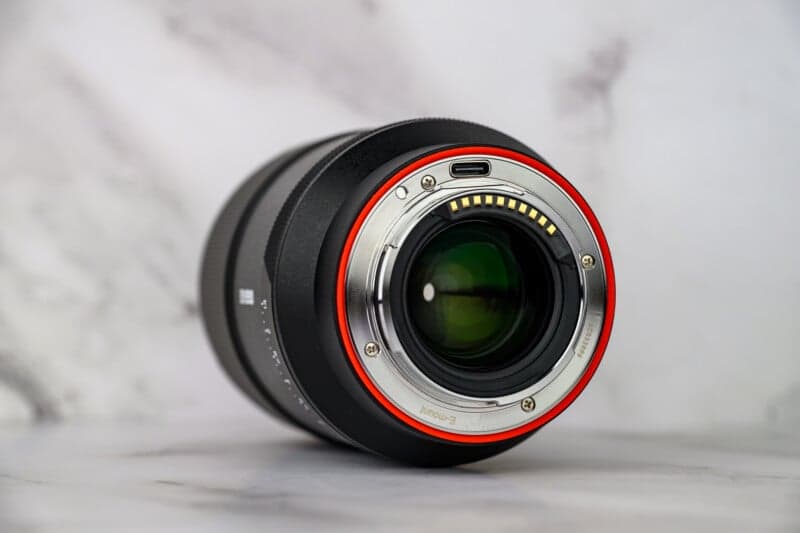
Thypoch Simera 28mm f1.4 review praises tactile manual-focus shooting
This 28mm f/1.4 is for photographers who want to slow down, not just shoot faster. The Simera makes a strong case for carrying a camera instead of a phone.
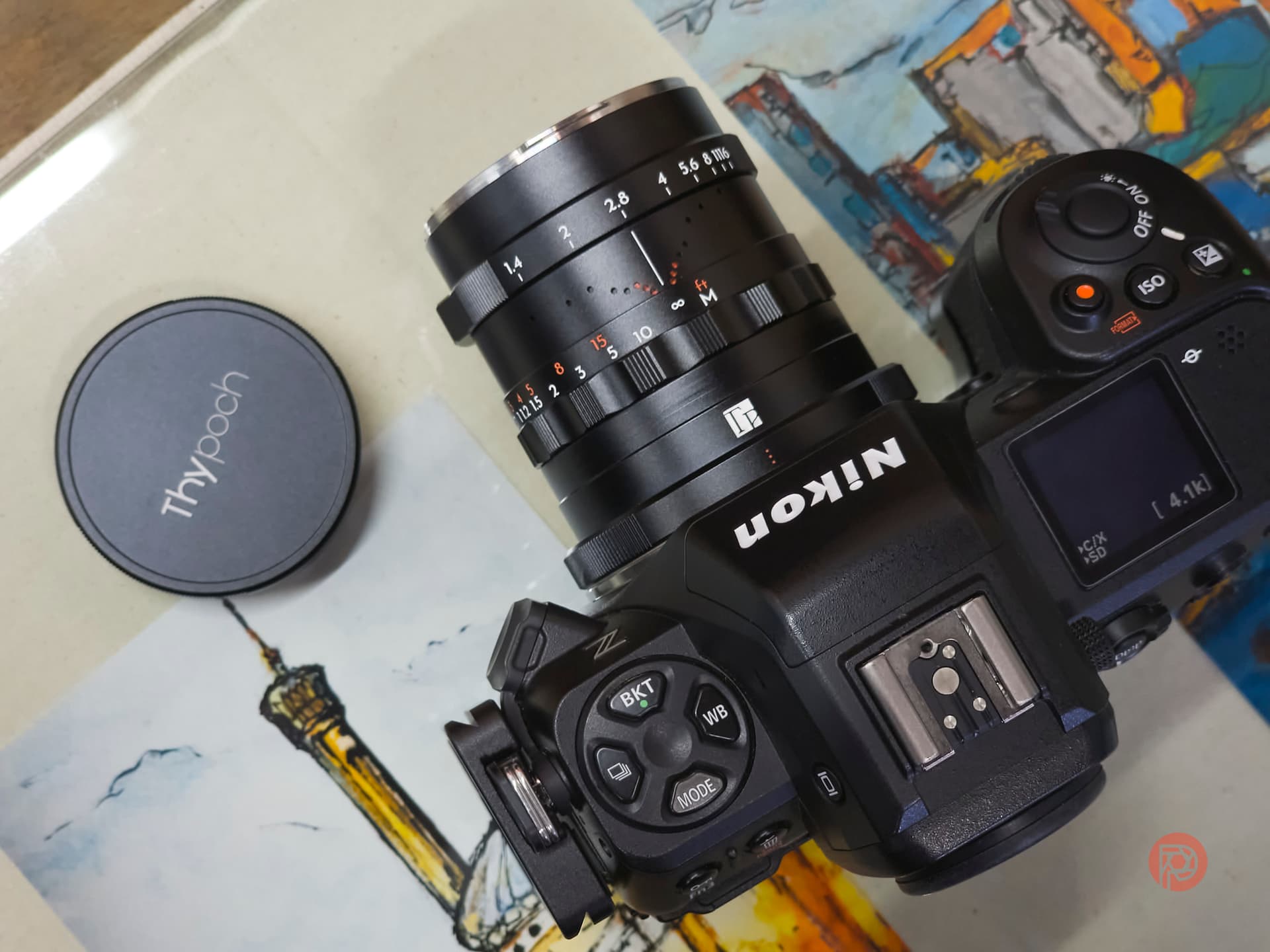
The case for the Thypoch Simera 28mm f/1.4 is not that it makes shooting easier. It makes shooting feel worth doing, which is a different promise entirely. In a world where a phone can spit out a finished image in a second, this is the kind of lens that asks for a hand on the focus ring, a decision about distance, and a little patience, then rewards that effort with a real 28mm perspective, an f/1.4 aperture, and a 14-blade diaphragm.
What this lens is really for
The Simera 28mm sits in Thypoch’s Simera full-frame prime line, a series the company says is meant as a deliberate homage to the Kern Macro-Switar lens for Alpa 35mm cameras. Thypoch officially released it in September 2023 and said it began shipping on January 19, 2024, so this is not a novelty item still trying to prove itself. It has already spent enough time in the wild to build a reputation among people who care about manual-focus glass with character.
That character is part of the appeal for street, travel, and environmental portraiture. A 28mm lens gives you context around the subject without pushing you into the crowded, sometimes claustrophobic look of a longer lens, and the Simera’s manual focus handling turns that into a more deliberate act. If you like the feeling of choosing the frame instead of letting a phone choose it for you, this is the sort of lens that makes that difference obvious.
Why the shooting experience feels different from a phone
A smartphone can mimic blur and try to fake subject separation, but it cannot give you the same physical experience of focusing a full-frame prime at f/1.4. The Simera’s 0.4-meter minimum focus distance gives you a close working range that suits detail, hands, signs, coffee cups, and foreground elements in street and travel scenes, while the fast aperture helps isolate the subject in a way that still feels optical rather than computational.
That is where the lens earns its keep for hobbyists who actually carry gear. You are not just getting a sharper frame, you are getting the ritual of shooting back: the manual focus turn, the aperture choice, and the chance to slow down long enough to notice what is in front of you. The practical result is a different kind of image making, one that favors intention over volume.
On a Nikon Z8, the lens feels like a reason to bring the camera out
Mounted on a Nikon Z8, the Simera impressed with its build, its rendering, and the way it turned shooting into a more considered process. That matters because the camera body alone does not create the experience. A lens like this is what makes a high-end mirrorless body feel less like a piece of tech and more like a tool you want in hand.
That is especially true for people who are trying to decide whether one lens can beat the convenience of a phone. The answer is yes, but only if what you value is the image-making process itself. The Simera is not trying to replace a phone’s speed. It is trying to make the slower route feel better, and on a body like the Z8, that trade becomes easy to understand.
The specs that make the trade-off easier to justify
Thypoch says the Simera 28mm has a 14-blade diaphragm, and that number matters because it points to smoother out-of-focus rendering and a more polished look in highlights. The company also says the lens uses dual focus-tab designs in the M-mount version, with an infinity-lock tab and a crescent-shaped tab, a small but very real example of how this lens leans into tactile handling instead of pretending manual focus is an inconvenience.
The mount spread is just as important. Thypoch lists the lens for Leica M, Nikon Z, Sony E, Fujifilm X, and Canon RF mounts, which makes it a cross-system option rather than a niche one-system curiosity. For photographers who move between camera systems, or who want a fast 28mm prime without locking themselves into a single ecosystem, that compatibility widens the lens’s appeal fast.
Where it sits in the market
Independent launch coverage put the U.S. price of the Z, E, X, and RF versions at $649, with staggered availability by mount. That does not make it cheap, but it places the Simera well below Leica-branded alternatives that occupy the same kind of tactile, premium-minded conversation. Dustin Abbott’s January 2024 take reinforced that point, praising the lens’s build, its 14-blade iris, and its value compared with Leica options.
The lens’s early reputation also centered on the kinds of traits manual-focus buyers actually care about: compact metal construction, declickable aperture, low distortion, and low chromatic aberration. Those are not abstract lab bragging rights. They are the details that decide whether a lens feels satisfying in the hand, whether the files hold together at the edges, and whether a photographer wants to keep carrying it after the novelty wears off.
The bottom line for anyone choosing between a lens and a phone
The Simera 28mm f/1.4 makes the strongest argument for the camera as a deliberate object. It gives you a fast full-frame 28, a tactile manual-focus workflow, a premium metal build, and mount options that reach across Leica M, Nikon Z, Sony E, Fujifilm X, and Canon RF systems. More than that, it gives you images that ask for a little more participation: closer framing, stronger subject separation, and a shooting rhythm that a phone still cannot copy.
That is the real decision here. If you want the picture in the quickest possible way, the phone wins. If you want the satisfaction of choosing the frame, feeling the focus, and carrying a lens that makes the act of shooting matter, the Simera 28mm f/1.4 is built for exactly that.
This article was produced by Prism’s automated news system from verified source data, official records, and press releases, then run through automated quality and moderation checks before publishing. The system is built and supervised by the people who set the standards it runs under. Read our full AI policy.
Did this article answer your question?