U.S. Tariffs Push Camera Prices Up, Photographers Face 15% Import Costs
New U.S. tariff measures raised import costs for cameras and lenses after April 2025, with many U.S. list prices up about 10 percent and Canon reporting ¥45.4 billion in tariff costs for H2 2025.
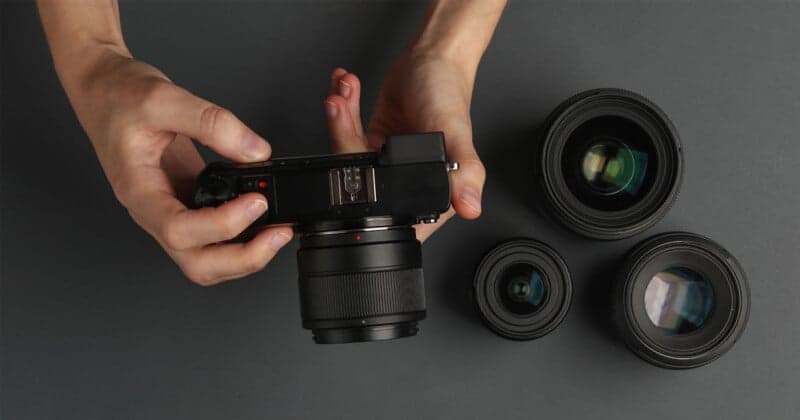
U.S. tariff moves enacted since April 2025 have translated into higher U.S. list prices across the camera industry, with Canon, Nikon, Sony, Fujifilm, Leica, and Sigma adjusting MSRPs as import taxes hit supply chains. “Every major camera company has now increased prices in the US following the new import taxes added to US imports last year. Canon, Nikon, Sony, Fujifilm, Leica, and Sigma have all introduced adjusted list prices in the US. Many price increases sat around 10 percent, others were higher, particularly on popular compact cameras,” Digital Camera World and Finance Yahoo reported.
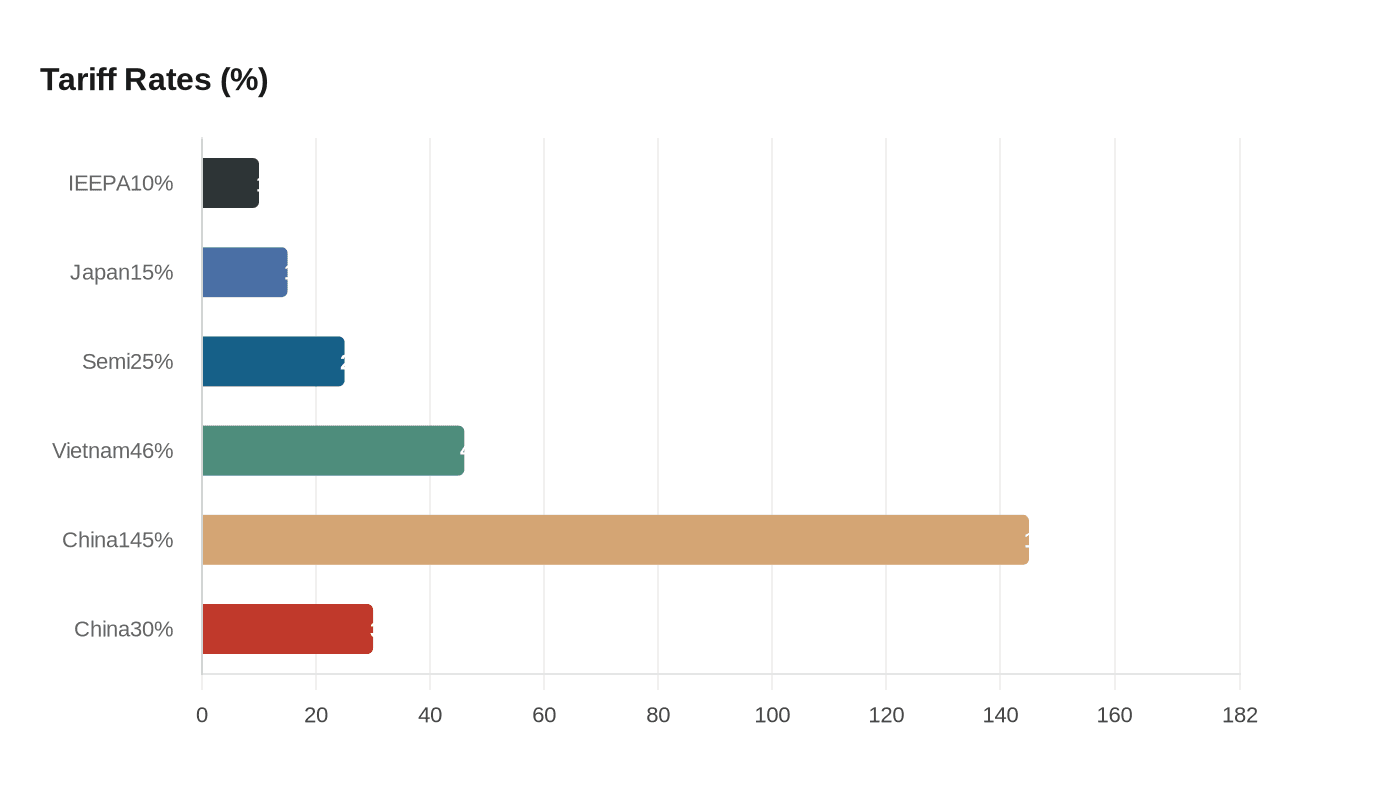
Legal authority for parts of the tariff program includes the International Emergency Economic Powers Act, while other measures were placed under the Trade Expansion Act of 1962. Digital Camera World noted a separate 25 percent semiconductor tariff enacted under the Trade Expansion Act and stated it “does not impact consumer electronics like cameras.” Finance Yahoo summarized the IEEPA construct: “While Trump has indicated an executive order will bring back a ten percent tariff, the IEEPA tariffs had a global 10 percent baseline but higher rates for certain nations. In Japan, for example, the rate was at 15 percent.”
The cost to manufacturers is tangible. “For example, last month, Canon estimated that tariffs cost the company ¥45.4 billion (about $294 million / £214.1 million / AU$420 million) in the second half of 2025 alone,” one report recorded. Leica provides a concrete consumer example: “Lowering camera prices after a tariff change isn’t unheard of - Leica did just that when the US rate on Chinese imports dropped. The Leica D-Lux 8, a compact camera made in China, went from $1,595 to $2,790 after tariffs, but then later dropped to $1,915 when those so-called reciprocal tariffs dropped from 145 percent to 30 percent,” Digital Camera World wrote.

Country-level rates and reductions vary and in some cases conflict across sources. Commentators flagged China’s reciprocal tariff swinging from 145 percent down to 30 percent, while reports on Vietnam range from a 46 percent figure used in forum calculations to a separate claim that Vietnam “was going to be 40%, now will be 20%.” Bythom captured the wider anxiety in a single, preserved block: "We're probably only halfway through the tariff-induced price changes here in the US, and that's assuming that there are no new changes after the September ones take effect. Trump keeps finding new "invisible demons" to tax as he tries to make other countries do what he wants them to (prediction: they won't, particularly long-term)... All four countries I just mentioned produce significant amounts of the cameras and lenses we buy here in the US. Products from all four will be more expensive soon, if not already."
Retailers and forum communities are already reacting to uncertainty. On PentaxForums RobA_Oz warned that “the 46% tariff on imports from Vietnam is bound to cause price rises,” while LeeRunge ran a 46 percent example and wrote on April 5, 2025, “The Sony A-1ii is now a $9500 camera in the USA. I would actually expect retailers to let stock run out and not order more for a while due to the risk of these tariff's being rescinded and they're stuck with the tariff cost. I'd expect a lot of 'out of stock' for the foreseeable future or non-refundable deposits.”
Voices in the trade urge measured consumership. DIYPhotography advised, “In my opinion, they can’t really justify more increases this time. Since this tariff doesn’t apply to cameras sold in the U.S., any brand that tries to blame it for higher prices is likely just trying to make more money. Keep an eye on the manufacturer’s suggested retail prices (MSRPs). If you see a sudden rise, check out the reasons behind it.”
Legal developments could roll some measures back: one report summed the judicial angle and research findings, saying, “Importantly, the Emergency Economic Powers Act is only behind some of the additional tariffs added to US imports since April 2025. NPR notes that the act accounts for about half of the total US tariffs and that other tariffs aren’t part of the Supreme Court ruling. According to research out of Yale, the removal of the IEEPA tariffs would mean an overall effective tariff rate of 9.1 percent on average, down from 16.9 percent.” Digital Camera World added that “With the Supreme Court ruling announcement is likely a welcome reprieve from the higher import costs for some companies, it’s unclear at this point if – or how – camera companies will respond.” Until companies decide whether to reverse MSRPs, photographers and dealers should expect continued price volatility and selective inventory shortages through the next selling season.
This article was produced by Prism’s automated news system from verified source data, official records, and press releases, then run through automated quality and moderation checks before publishing. The system is built and supervised by the people who set the standards it runs under. Read our full AI policy.
Did this article answer your question?