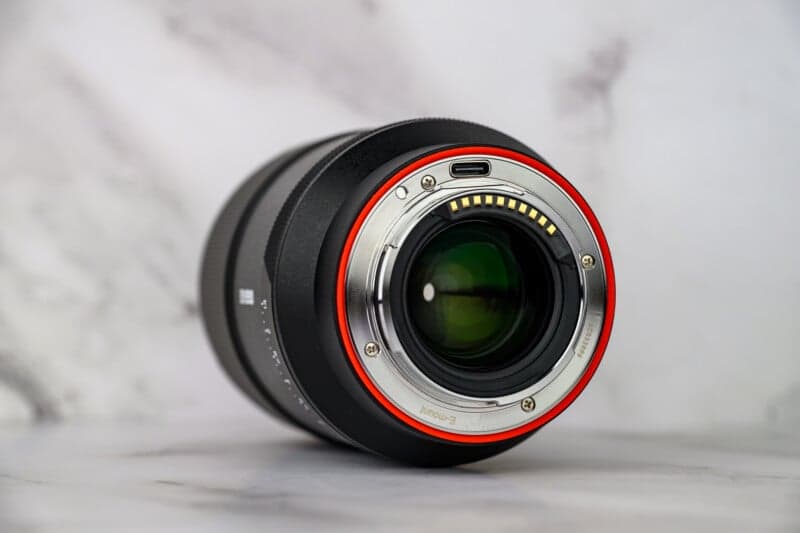
Why photographers are choosing smaller cameras over bigger specs
Photographers are trading bragging rights for cameras they’ll actually carry, and the shipment numbers show it.
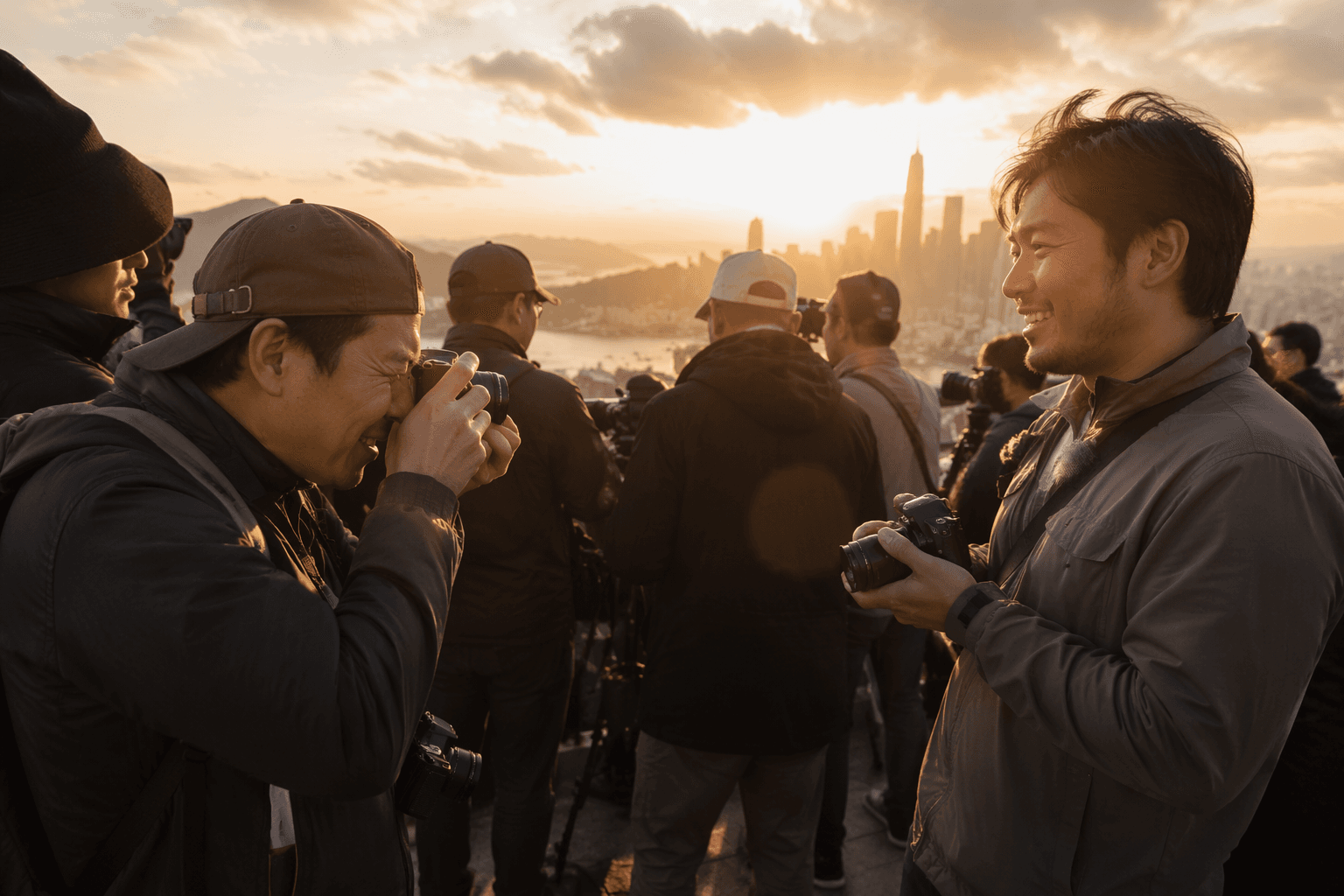
Chris Niccolls’ train-ride confession in Osaka gets to the heart of the shift: when he wanted a camera for himself, he reached for something compact, not another heavy full-frame body. That instinct is becoming a real market force. The new camera conversation is less about who can build the most intimidating spec sheet and more about which system gets picked up on the way out the door.
The smallest camera is the one that gets used
The practical case for smaller bodies starts with carry frequency. A camera that feels light enough to toss into a bag, hold all day, and bring onto a train is far more likely to make it into the real world than one that stays home because it feels like gear for a job, not a companion for life. That is why Niccolls, despite long relying on Sony a7R-series cameras, found himself more interested in Fujifilm’s X-E5 than in another big high-resolution body.
This is not a rejection of image quality. It is a recalibration of what counts as “good enough” in a modern system. Once image quality clears a very high baseline, the winning argument becomes portability, discretion, and whether the camera makes you want to shoot more often instead of merely admire it on a desk.
The market is backing that instinct
CIPA’s February 26, 2026 outlook gives the shift a hard numerical edge. Total digital camera shipments in 2025 reached 9,438,876 units, up 111.2% year over year. Built-in-lens digital cameras hit 2,436,911 units, up 129.6%, while interchangeable-lens digital camera shipments reached 7,001,965 units, up 105.9%.
CIPA also said users are choosing products based on intended use and desired features, and that built-in-lens cameras are benefiting from a balance of portability, convenience, and image quality. DPReview’s reading of the same 2025 data put built-in-lens cameras at 25.8% of total shipment volume, and noted that compact-camera growth may understate demand because shipment data does not capture every sales channel. CIPA’s statistics page was updated on June 1, 2026 to show April 2026 digital-camera data was already available, which makes this look less like a one-off bounce and more like a live trend.
Why the Fujifilm X-E5 fits the moment
Fujifilm’s X-E5 is a clean example of how smaller cameras are being positioned now. Launched on June 12, 2025, it weighs about 445g and uses a 40.2-megapixel X-Trans 5 HR sensor, so this is not a nostalgia exercise built on weak specs. It also includes in-body image stabilization, a rangefinder-style design, and the kind of tactile touches that make a camera feel inviting rather than clinical.
Fujifilm North America Corporation described it as an everyday-carry camera and highlighted its customizable Film Simulation dial and machined aluminum top plate. That matters because the appeal is not just physical size, but emotional usability. A camera that feels designed for daily life, rather than a studio cart or a serious assignment bag, lowers the friction between seeing a moment and actually making the picture.

DPReview reported the X-E5’s US launch price as $1,699 body-only or $1,899 with the new 23mm f/2.8 lens. That places it squarely in enthusiast territory, not as a cheap gateway body, which says a lot about where compact cameras are headed. The premium is not for bigger bulk or more intimidating hardware, but for a polished package that still feels portable enough to carry regularly.
The appeal is emotional as much as technical
Fujifilm executive Yuji Igarashi said there had been a resurgence of interest in photography, especially among younger generations, and described the goal of the X-E5 as creating an “immersive” experience. That language lines up neatly with what smaller cameras now promise: they make photography feel tactile, social, and immediate again.
The big lesson here is that smaller kits do not necessarily win because they are cheaper, and they do not always win because they are technically simpler. They win when they remove the mental barrier between wanting to make a photo and deciding whether the gear is worth the hassle. A camera with a compact body, a useful lens, and enough quality to satisfy careful editing is often more valuable than a heavier system with more headline specs.
What photographers actually gain, and what they give up
Choosing a smaller camera is a series of trade-offs, but they are increasingly sensible ones. The gain is obvious in daily use: less weight, less visual attention, less resistance to spontaneous shooting, and more willingness to take the camera everywhere. For travel, commuting, and casual street shooting, those advantages can matter more than marginal gains in dynamic range or resolution.
The cost is that smaller systems can ask for compromises in handling, deep lens catalogs, and sheer brute-force performance. But the current market suggests many photographers are comfortable with those trade-offs if the result is a kit that feels alive in the hand and easy to keep with them. The point is not to abandon serious photography. It is to stop treating bulk as proof of seriousness.
That is why Niccolls’ impulse in Osaka resonates beyond one train ride. The camera that feels easiest to carry is often the camera that becomes part of the day, and once that happens, the spec sheet stops being the main event.
This article was produced by Prism’s automated news system from verified source data, official records, and press releases, then run through automated quality and moderation checks before publishing. The system is built and supervised by the people who set the standards it runs under. Read our full AI policy.
Did this article answer your question?