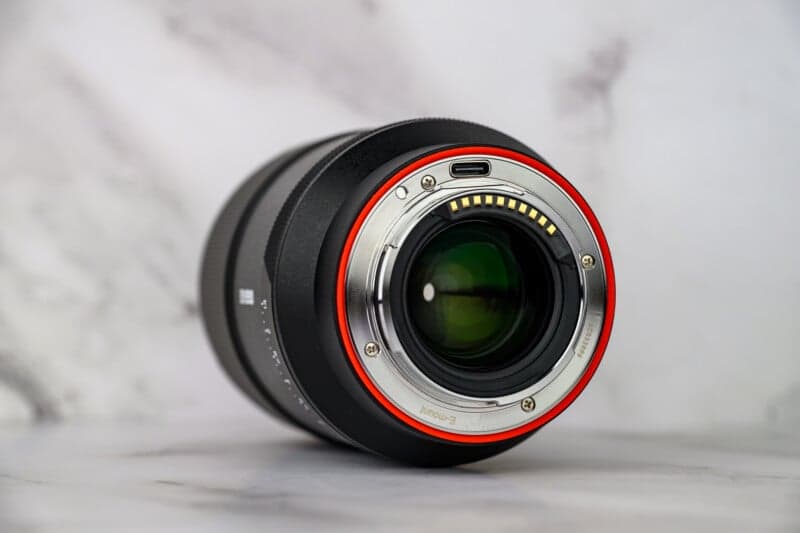
ZEISS launches Horizon Anamorphic lenses with built-in motors
ZEISS put built-in focus and iris motors into a full-frame 2x anamorphic line, signaling that premium cinema glass is now being built around workflow as much as image character.
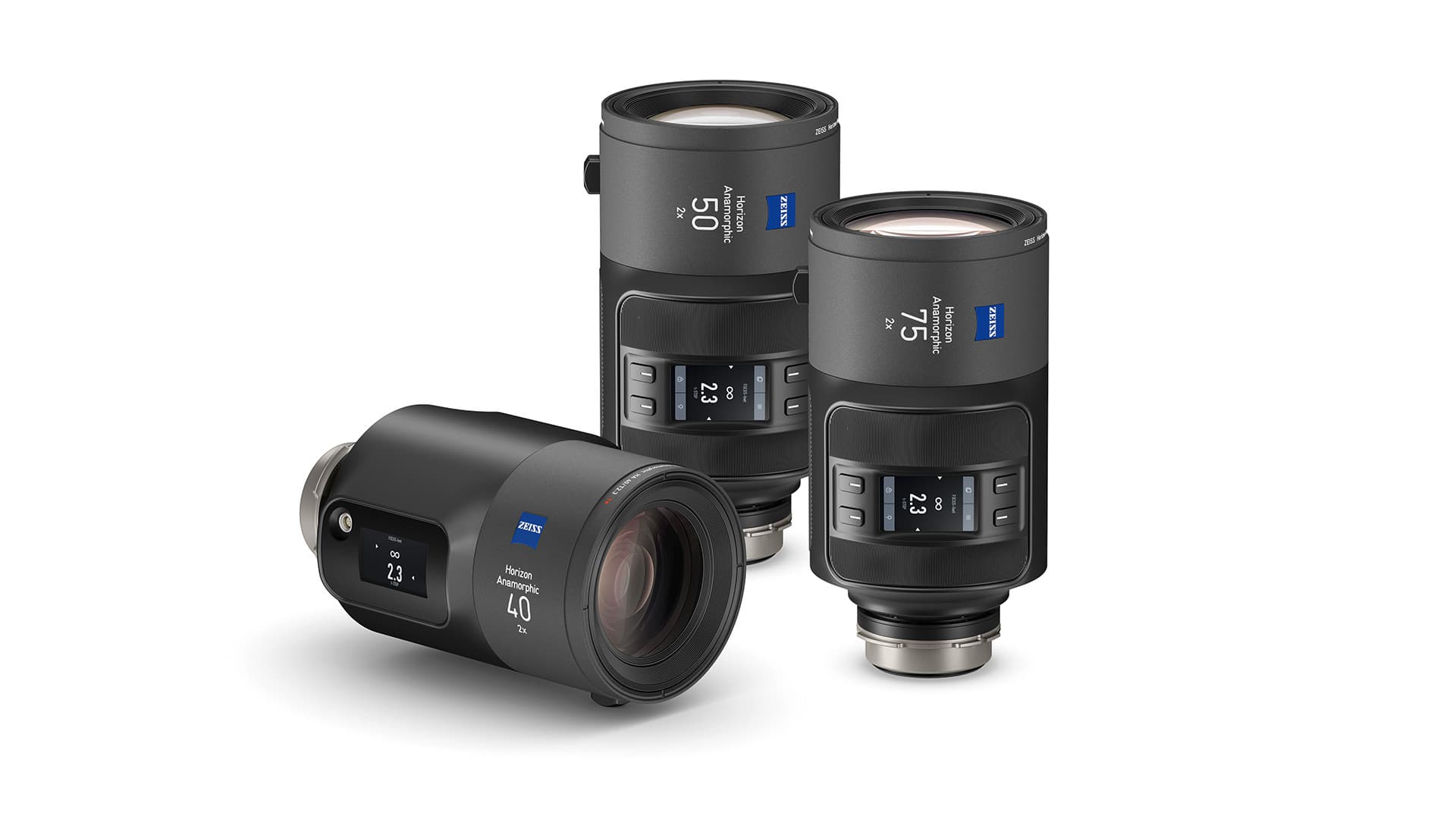
ZEISS launched Horizon Anamorphic as a seven-lens, full-frame 2x cinema family that tries to solve a very modern problem: how to keep the classic anamorphic look without slowing down the set. The line spans 35 mm to 200 mm and arrives with built-in focus and iris motors, so crews do not need external motor rigs to run the lenses. ZEISS said the system is aimed at contemporary production workflows, where speed, balance and precision matter as much as the final image.
That matters because ZEISS is not just selling a look here, it is selling a lens platform. The company described Horizon as part of a new technology stack for cinema optics, and it paired the traditional anamorphic signature, pronounced oval bokeh and a stretched sense of space, with a lightweight, fully motorized design. In practical terms, that means the lens family is built to slide into existing production habits instead of forcing crews to rebuild around it. Dual displays and touch strips on the barrel let operators check focus distance and iris information directly on the lens, while factory-calibrated encoders store scale data inside the lens to reduce re-mapping and re-rigging.
ZEISS also gave Horizon an unusual twist: an interchangeable look-tuning rear element that can alter sharpness, contrast and overall character through a simple swap while preserving calibration and scale accuracy. The company pitched the line as having a neutral baseline look that plays well with filtration, LUTs and changing lighting conditions, then lets teams add more personality when they want it. That is the kind of feature that tells you where premium optics are headed. The lens itself is becoming part image-maker, part workflow device, part metadata engine.
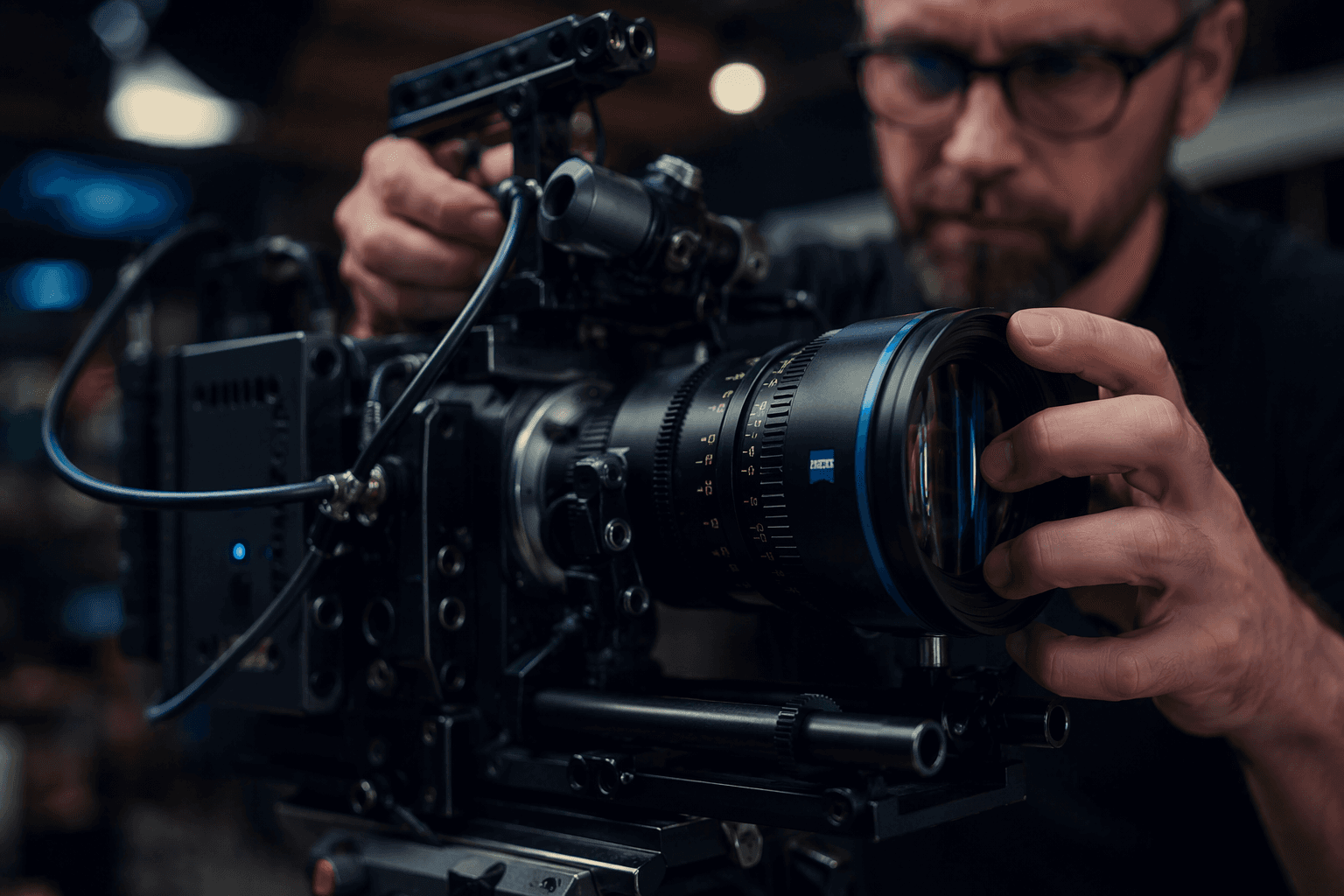
The integration story is just as important. Horizon works with the ZEISS Interchangeable Mount System and connects with ARRI and Preston Cinema Systems LCS setups through serial or LBUS connections. ZEISS said the lenses integrate seamlessly into existing LCS ecosystems, a phrase that neatly captures the direction of high-end production gear in 2026: less time spent rebuilding support hardware, more time spent shooting. The company will show the new family at Cine Gear Expo in Los Angeles on June 5-6, alongside its Panoptes 65 cinema primes, underscoring a broader large-format push rather than a one-off lens drop.
For longtime lens watchers, Horizon also carries ZEISS’s anamorphic lineage forward. The earlier ARRI/ZEISS Master Anamorphic line was built around low breathing, optimized anamorphic bokeh and blue streak flare. Horizon keeps that prestige attached to a more integrated, data-aware platform, which is exactly the kind of move that tends to shape what photographers and hybrid shooters expect next from premium optics.
This article was produced by Prism’s automated news system from verified source data, official records, and press releases, then run through automated quality and moderation checks before publishing. The system is built and supervised by the people who set the standards it runs under. Read our full AI policy.
Did this article answer your question?