FLiK F1 aims for elite power, durability, and value
The FLiK F1 pushes big power, real durability, and a sub-$200 price into one USAP-approved package. It is the rare paddle that could make loyalists rethink their current power setup.
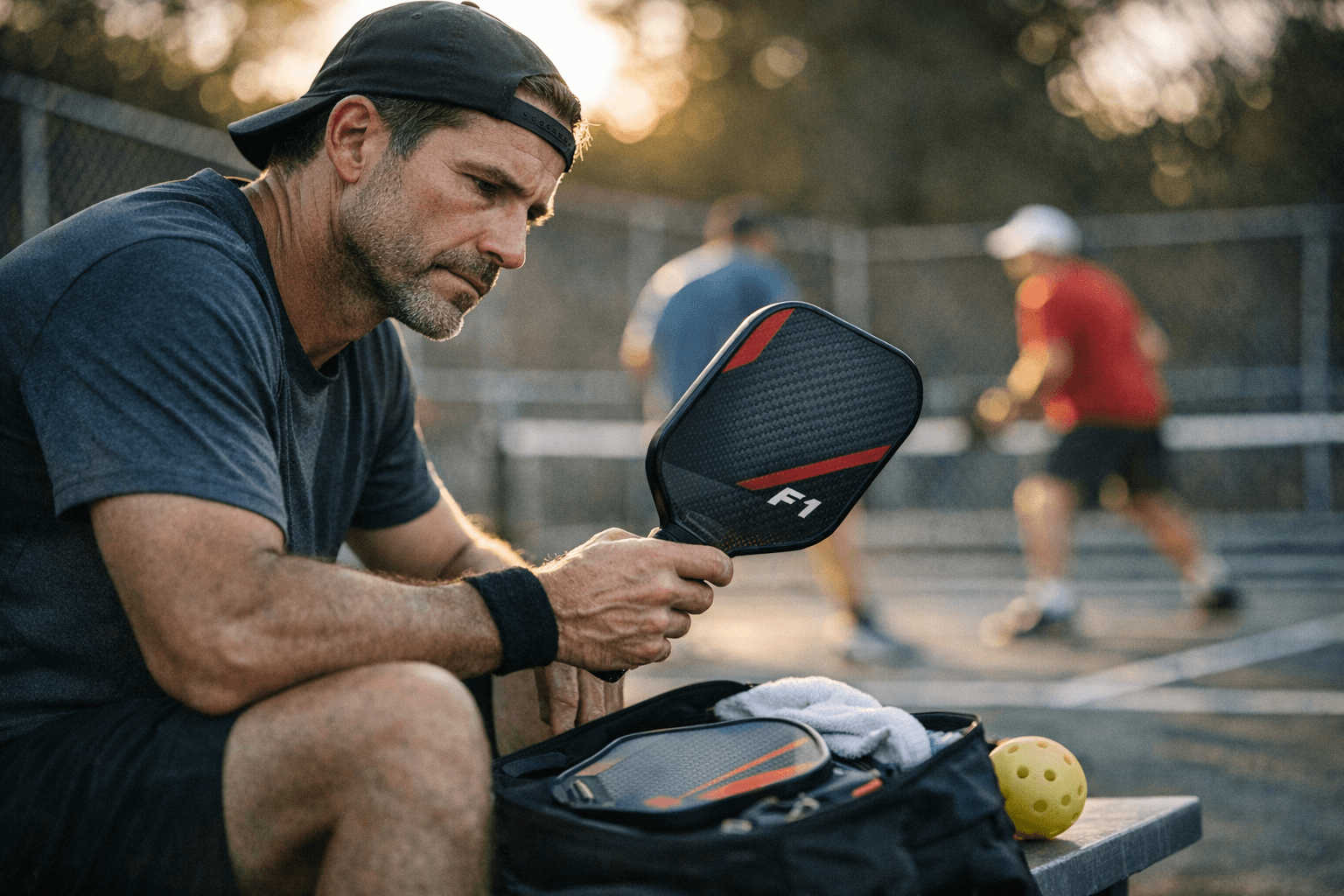
The paddle market hit a genuine inflection point heading into 2026. The FLiK F1 is trying to solve the hardest problem in modern pickleball gear: how to deliver true elite power without turning into a fragile science project or a wallet-busting flex. That is what makes this paddle worth a closer look, because it is not just another loud launch from a better-known brand. It is a serious power paddle from a company that has spent more time engineering than marketing, and that combination is starting to get attention.
What the F1 is built to do
Body Helix and FLiK are not hiding the mission here. The F1 is designed as an unabashed power paddle, with a patent-pending full EPP foam core, an elongated shape, and a build target centered on explosive pop and sustained pace while staying within USA Pickleball rules. The elongated model measures 16.5 inches by 7.5 inches, which helps explain why it is aimed at players who want reach and leverage as much as touch.
The face setup is just as aggressive on paper. Body Helix says the paddle uses four layers of Toray T700 carbon fiber plus a fiberglass insert in the sweet spot, a combination intended to help the paddle drive pace without giving up too much response in the middle. The company also says the TerraCoreXC core is a patent-pending Gen 4 expanded polypropylene foam structure, which puts the F1 in the newer foam-core conversation that many players are watching closely.
Why the price matters
Power paddles have a habit of drifting into premium territory fast. The F1 is listed at $190, with some retail pages showing a discounted price of $171, and that matters because it undercuts a lot of the obvious names serious players compare in this space. For a paddle that sits at the top end of legal power performance, that price gives it a value argument that is hard to dismiss.
This is where the F1 starts to separate itself from the usual “hot but fragile” story. The pitch is not only that it hits hard, but that it keeps hitting hard over time. Body Helix argues that the foam construction keeps performance stable instead of changing as the paddle breaks in or heats up, and that promise is especially attractive to tournament players who want fewer surprises from week to week.
The durability conversation is the real hook
This is as much a durability story as a power story. In a market where some high-output paddles can feel hotter, less predictable, or more condition-dependent as they wear, the F1 is being sold as a paddle that stays consistent. That stability matters because competitive players do not just want a big first week; they want a launch angle and response they can trust deep into the season.
That claim has been echoed by reviewers. Pickleball Effect called the F1 the most powerful USAP-approved paddle it had tested as of July 15, 2025, while also pointing to the full foam core durability angle. Pickleheads later described it as Body Helix’s first USA Pickleball-approved foam-core paddle, with that release noted on July 19, 2025. Taken together, the reviews frame the F1 as more than a one-note cannon.
Why this hidden brand matters
FLiK still is not a household name, and that is part of the story. The Dink’s April 24 review framed the brand’s relative obscurity not as a sign of weak equipment, but as the result of a company that has spent more time engineering than marketing. That gives the F1 a kind of underdog credibility: it is not arriving with a giant ad blitz, but with a product claim serious players can actually test.
Body Helix says the company is veteran-owned and founded by Fred Robinson, who has helped position the brand as innovation-first for years. That history matters because this is not the first time the company has pushed the edges of paddle design. Reviewers also noted the oversized FLiK Plus, a model that was never meant for official play, which makes the approved F1 look like a more mature version of the same boundary-pushing instinct.
Fred Robinson has described the paddle in vivid terms, calling it a true rocket launcher. That language fits the rest of the positioning, but the bigger point is that the company is trying to turn a reputation for experimentation into a legal tournament weapon.
How the F1 stacks up in the real gear conversation
The best way to understand the F1 is to compare it with the paddles buyers already know from the power segment. Those established options often force a tradeoff: more pop usually means higher price, more break-in drama, or a narrower comfort window. The F1 is trying to break that pattern by pairing top-tier legal power with a price that lands below many of the category’s most recognizable names.
John Kew’s paddle database helps explain why the F1 is getting attention from serious shoppers. The database offers raw analytics such as swing weight, twist weight, and balance point, and the F1 sits at the top of the power charts there. That does not mean the paddle is automatically right for everyone, but it does mean the numbers are strong enough to back up the marketing.
John Kew’s site also makes an important distinction: its KEWCoR values are specific to the JohnKew Lab and are not a legality test. That matters in a market where players can mistake raw performance data for approval status. For the F1, the two things line up more cleanly than they do for many hot paddles, because the paddle is also described as USAP-approved.
Why legality and testing matter now
USA Pickleball’s equipment site says it has been the trusted leader in equipment testing since 2010, and it notes that manufacturers must provide attestations about materials and construction as part of certification. That framework is increasingly important as paddle designs get hotter and more complex, especially in the foam-core era.
The pressure around equipment standards is not theoretical anymore. USA Pickleball has launched a new certification program with Firefly Sports Testing, and in January 2026 it announced paddle field-testing at Golden Ticket events. That tells you where the sport is headed: performance still matters, but so does proving that performance inside a tighter compliance system.
Who should make the switch, and who should not
If you are chasing maximum offense, want a USAP-approved paddle, and care about long-term consistency as much as raw pop, the F1 belongs on your short list. It makes the most sense for aggressive doubles players, confident attackers, and anyone who has already outgrown “all-court” marketing and wants a true weapon.
If your game depends on soft hands, patient resets, and a more forgiving face, this is probably not your first move. The F1’s identity is power first, and everything else second. That is exactly why it is interesting: it does not pretend to be neutral, and in a market crowded with compromise, that honesty is part of the appeal.
This article was produced by Prism’s automated news system from verified source data, official records, and press releases, then run through automated quality and moderation checks before publishing. The system is built and supervised by the people who set the standards it runs under. Read our full AI policy.
Did this article answer your question?