Focus on Controllables to Become a Better Pickleball Doubles Partner
The best doubles partners don’t just hit cleaner shots. They keep the point, and each other, centered on what they can actually control.
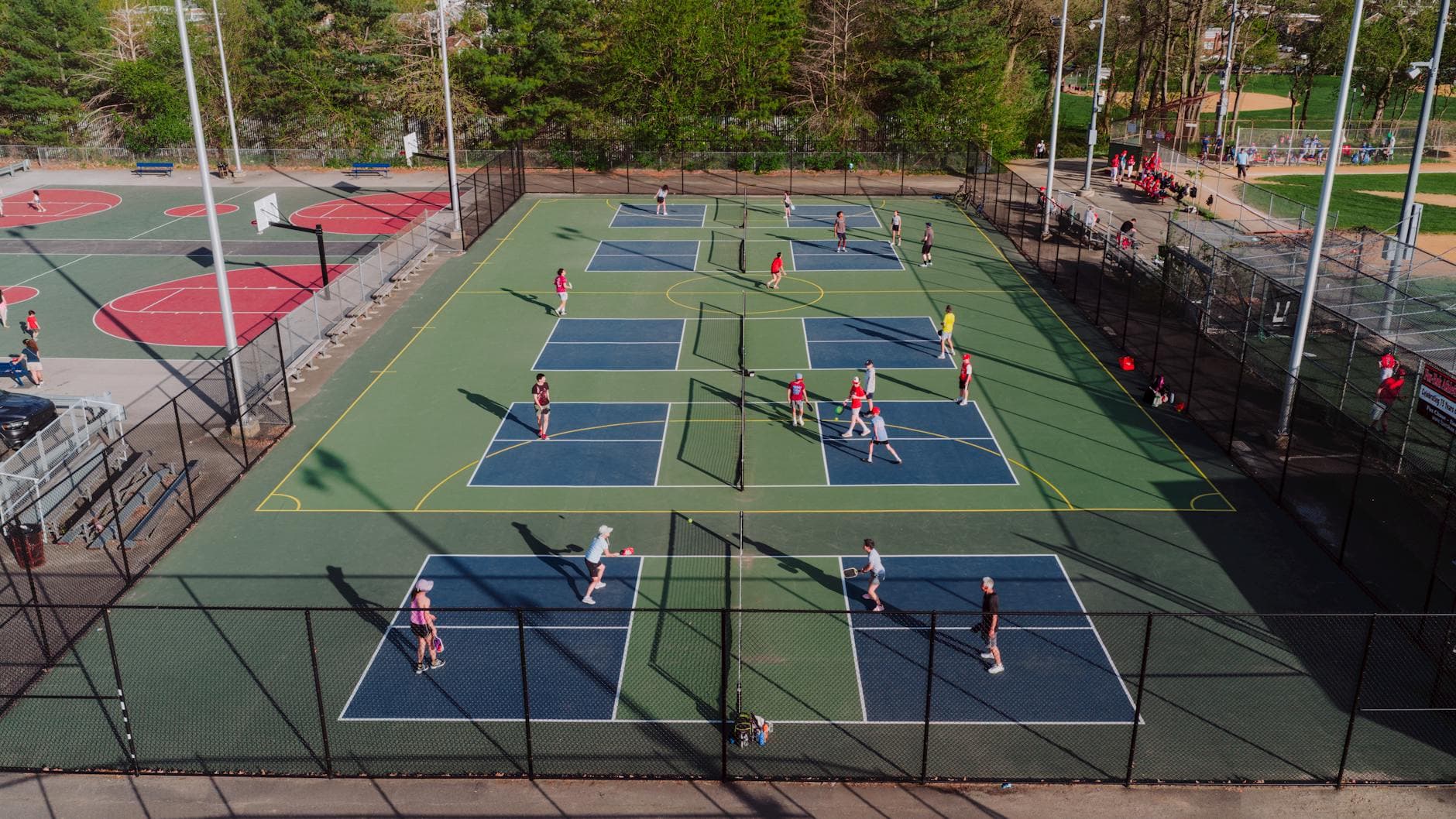
The ugliest doubles points at a retreat rarely fail because of technique alone. They unravel when one missed ball turns into over-coaching, visible frustration, and a partnership that stops solving problems.
A simple paddle-balance demo from APP pro and coach Tanner Tomassi captures that better than a dozen pep talks. When attention stays on the tip of the paddle, it stays steady. When focus shifts to the bottom, the whole thing wobbles. That is exactly how a doubles pair can feel after a few bad points: the moment your mind locks onto the wrong thing, the match starts to shake.
The hidden variable in doubles chemistry
Tomassi’s point lands because it mirrors the real rhythm of a pickleball match. Your controllables are your body language, shot selection, positioning, confidence, and the way you support your partner. The uncontrollables are wind, opponents’ level, missed calls, court conditions, and every other annoyance that sits outside your influence.
That split matters most when a pair gets stretched. One player starts getting picked on. The other begins feeding instructions after every miss. The tempo changes, frustration creeps in, and suddenly the biggest issue is not the score, it is whether the two people on the same side of the net still trust the same plan.
The best partners do more than finish points. They keep the team in problem-solving mode. That means resetting after errors, calming the tone after a rough rally, and making the next decision cleaner than the last one. In doubles, emotional stability is not a nice extra. It is part of performance.
What to focus on when the match gets messy
The cleanest response is not to chase perfection. It is to return attention to the few things you can actually influence, then repeat that until it becomes automatic.
- Keep your body language neutral after errors. A slumped shoulder can say more than a shout.
- Re-center on shot selection, not blame. The next ball matters more than the last one.
- Stay committed to positioning. Good spacing does a lot of quiet work in doubles.
- Use short, useful communication. A simple cue beats a lecture.
- Protect your partner’s confidence the same way you protect your own.
That advice is especially useful at pickleball retreats, where you are often sharing courts with new partners for long stretches of the day. One bad game can follow you into the next drill, the next round robin, and even the dinner table if no one knows how to reset. A calmer partnership changes the entire trip, because it keeps the experience playable instead of fragile.
Tomassi is a credible voice for that message. His official site describes him as a pickleball pro and coach who trained in Delray Beach, Florida, and another Tanner Pickleball page describes him as a top-ten pro pickleball player on the APP Tour. Pickleball.com tournament pages also show him competing in APP Tour events in 2024 and 2025, which makes his balance demo feel less like theory and more like an on-court habit built through repetition.
Why this advice matters now
Pickleball has grown fast enough that partner chemistry is no longer a side topic. SFIA says U.S. participation rose from about 4.2 million players in 2020 to more than 24 million in 2025. Its 2026 participation report put the 2025 figure at about 24.3 million Americans, up 22.8 percent from 2024.
That scale changes the conversation. As more people enter the sport, more of them are learning doubles through rec play, clinics, and retreat formats instead of years of league experience. USA Pickleball, the sport’s national governing body, published the first official rulebook in March 1984, and its doubles strategy guidance makes the same point from a tactical angle: winning in doubles requires smart decisions, strong partner communication, and sound positioning.
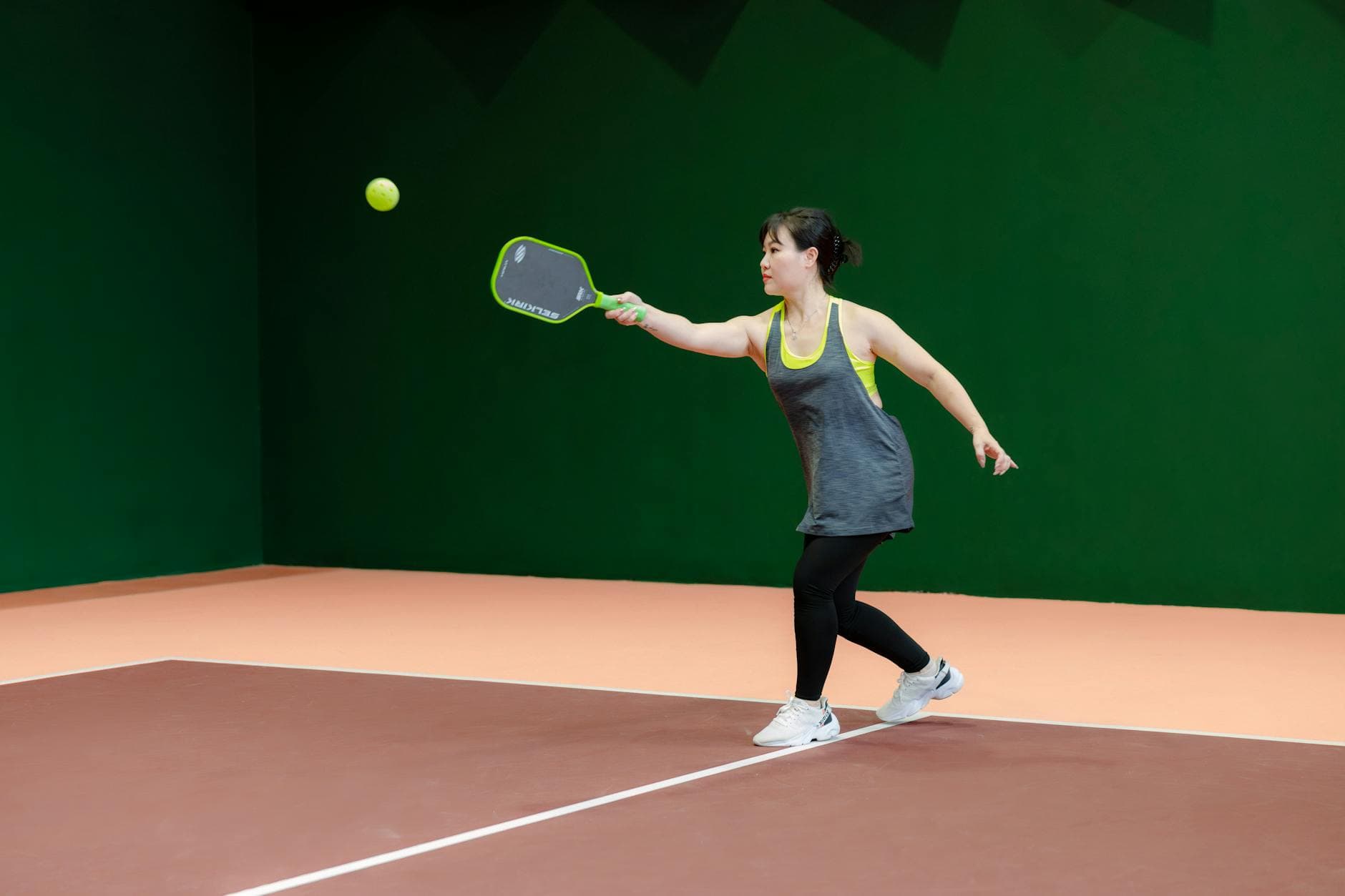
That is the bridge between rules and reality. Technique gets you started, but communication and decision-making keep the partnership intact once the points become uncomfortable.
How retreats are packaging the mental side of play
The retreat world has already noticed. Operators now advertise women’s-only retreats, destination coaching holidays, and mindset programming as part of the experience. Some programs even build in explicit sessions such as a “Master Your Mindset” seminar.
That shift says a lot about where the market is heading. Players are not just buying court time anymore. They are buying a smoother way to learn how to play with other people under pressure, which is exactly why partner chemistry belongs at the center of the conversation.
Good Vibes Pickleball Retreats, Empowher Pickleball, Pickleball Pro Retreats, and Elite Pickleball Retreats all reflect that broader trend in different ways, pairing improvement with community and structure. The appeal is obvious: when the drill ends and the games begin, the real lesson is often not a new dink pattern or third-shot shape. It is how well two people can keep their attention on what still matters.
That is why the most valuable doubles skill on a retreat may be the simplest one. When the ball gets messy, the best partners do not let their focus drift to what they cannot change. They reset, they support, and they make the next point easier to survive.
This article was produced by Prism’s automated news system from verified source data, official records, and press releases, then run through automated quality and moderation checks before publishing. The system is built and supervised by the people who set the standards it runs under. Read our full AI policy.
Did this article answer your question?