Querétaro Opens First Public Pickleball Courts at UAQ Airport Campus
Querétaro's UAQ Airport Campus opened two free professional-quality pickleball courts, part of a 30.2M-peso build that gives the city five public courts total.
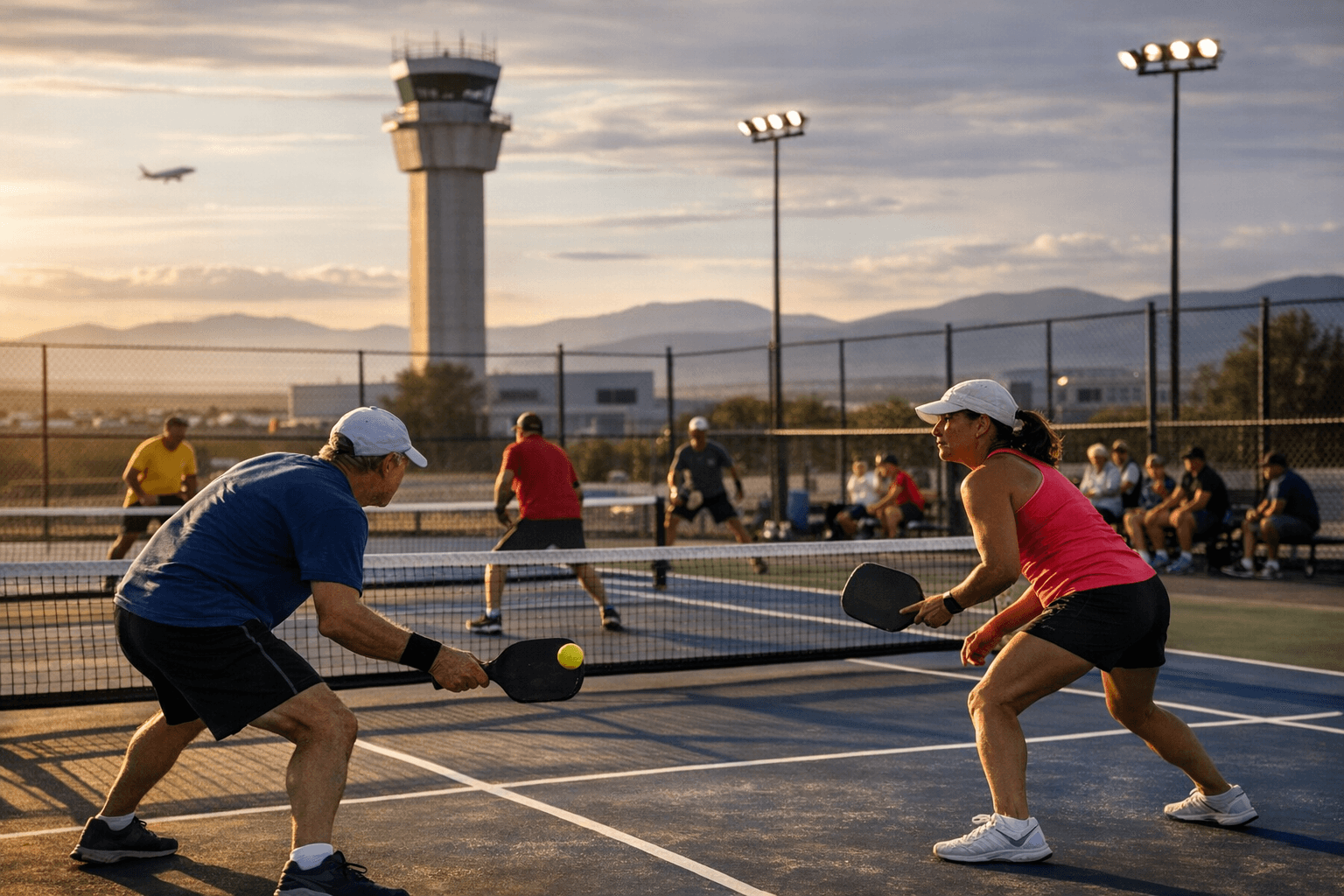
Two professional-grade pickleball courts at Querétaro's Universidad Autónoma de Querétaro Airport Campus are now open to the public at no charge, part of a 30.2 million peso investment that Secretary of Sports Juan Báez Bolaños described as an effort to "democratize sports that tend to be a bit expensive due to being privately managed."
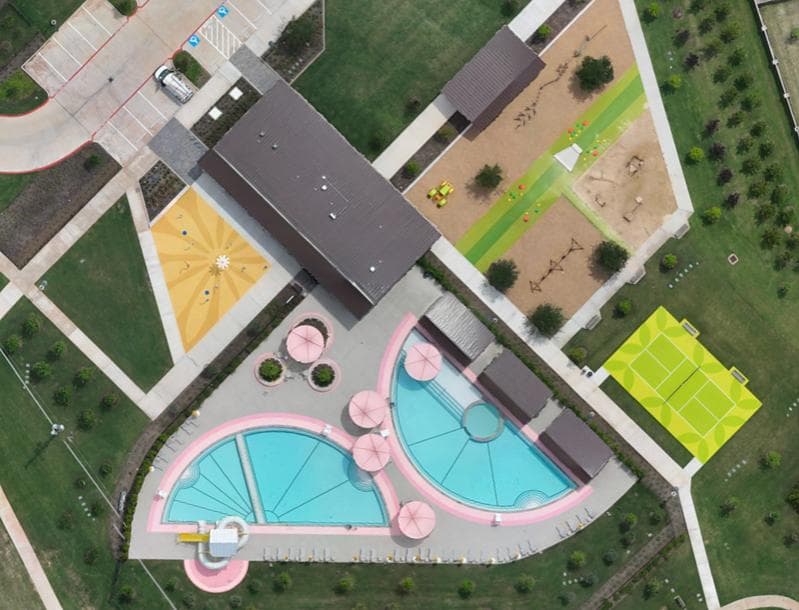
Mayor Felipe Fernando Macías Olvera, known locally as Felifer Macías, oversaw the late-March inauguration alongside Querétaro Governor Mauricio Kuri González and UAQ Rector Silvia Amaya Llano. The full build-out across the campus delivers seven facilities: one fútbol 7 court, two flag football fields, the first two public flag football courts in the city, two padel courts, and two pickleball courts, all constructed to professional specifications with secured perimeters, pedestrian walkways, and an accessible ramp. Governor Kuri noted at the ceremony that no other municipality in the state had directed 30 million pesos toward a single sports infrastructure project, calling the scale unprecedented.
The UAQ courts bring Querétaro's total public pickleball count to five, distributed across Reforma Lomas, Cerrito Colorado, Belén, Truchuelo, and UAQ Airport Campus. The Belén sports complex, which had gone more than a decade without any municipal intervention, was simultaneously rehabilitated to include its own pickleball court alongside a renovated multipurpose gymnasium and soccer field. A second construction phase across additional municipal complexes is scheduled for July.
For traveling players evaluating where the value is in Mexico right now, the Querétaro picture is unusually clean. Courts are free, no booking system is required, and the UAQ campus sits minutes from Querétaro International Airport, which is served by domestic carriers with connections through Mexico City, Monterrey, and Guadalajara. That's a friction profile that most private club destinations, including those at established resort corridors, cannot match. The trade-off is infrastructure maturity: drop-in scheduling, organized open play, and loaner paddle programs are still taking shape as the city collects usage data to justify the July expansion.
The project cleared a notable political bar before a single shovel turned: it was one of the most supported proposals on Decide Querétaro, the city's participatory budgeting platform, and was a campaign commitment for Macías. That kind of citizen-driven mandate tends to stay funded. If July's second phase produces additional courts across Truchuelo and the other complexes already in the network, Querétaro will have quietly assembled the most accessible public pickleball infrastructure of any mid-sized Mexican city, and done it faster than most destinations twice its size.
This article was produced by Prism’s automated news system from verified source data, official records, and press releases, then run through automated quality and moderation checks before publishing. The system is built and supervised by the people who set the standards it runs under. Read our full AI policy.
Did this article answer your question?