Salt Lake City opens 12 new pickleball courts at Glendale Park
Glendale Park opened 12 new courts on the former Raging Waters site, giving Salt Lake City a cluster built for group play, rotations, and clinic days.
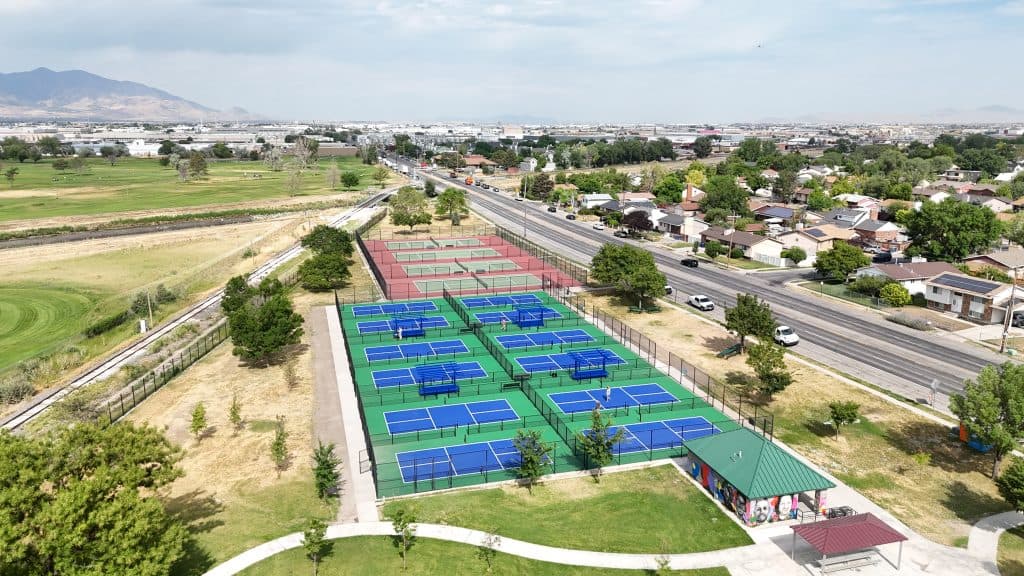
Salt Lake City opened 12 new pickleball courts at Glendale Park on Aug. 4, giving the west-side site a court cluster large enough for leagues, clinics, and fast-moving round-robin play. Mayor Erin Mendenhall joined pickleball enthusiasts and community members for the grand opening, and city materials said the courts were the first amenity to open at Glendale Park.
The addition matters because 12 courts in one park changes how players can use a public facility. It gives groups room to rotate without long dead time between games, makes it easier to run tournament-style brackets, and creates the kind of stop that can anchor a pickleball-heavy visit to Salt Lake City. City materials said the opening tripled the number of new pickleball courts at Glendale Park, a sizable jump for a single municipal project.
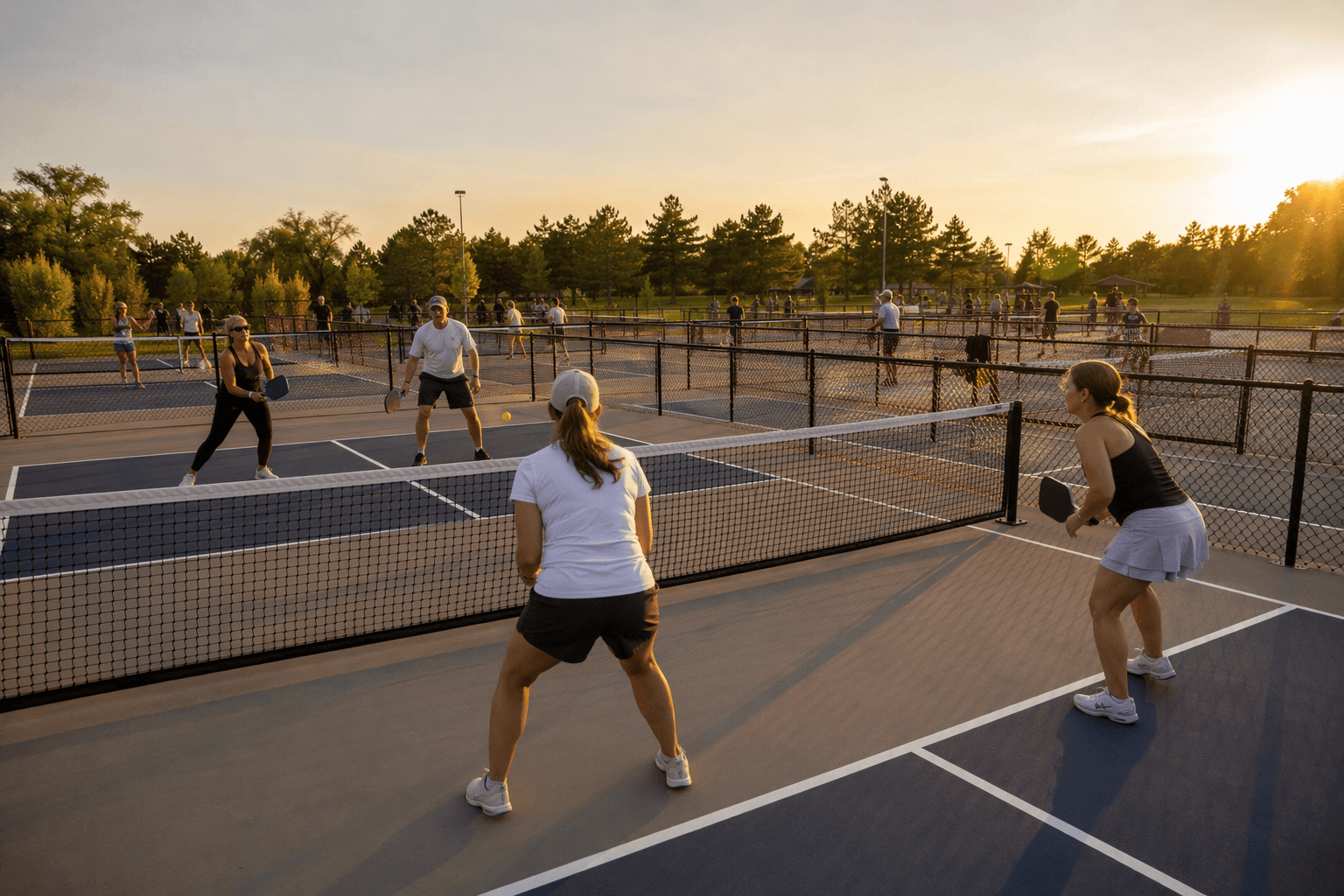
Glendale Park sits at 1375 W. 1700 South on the former Raging Waters/Seven Peaks water park site, and Salt Lake City describes it as the city’s first regional park in more than 60 years. The pickleball courts are part of a broader Phase 1 buildout, with the rest of that phase expected to open in fall 2025. Other planned amenities include an all-abilities playground, basketball courts, a pavilion, a restroom, a drinking fountain, and ping pong and foosball tables.
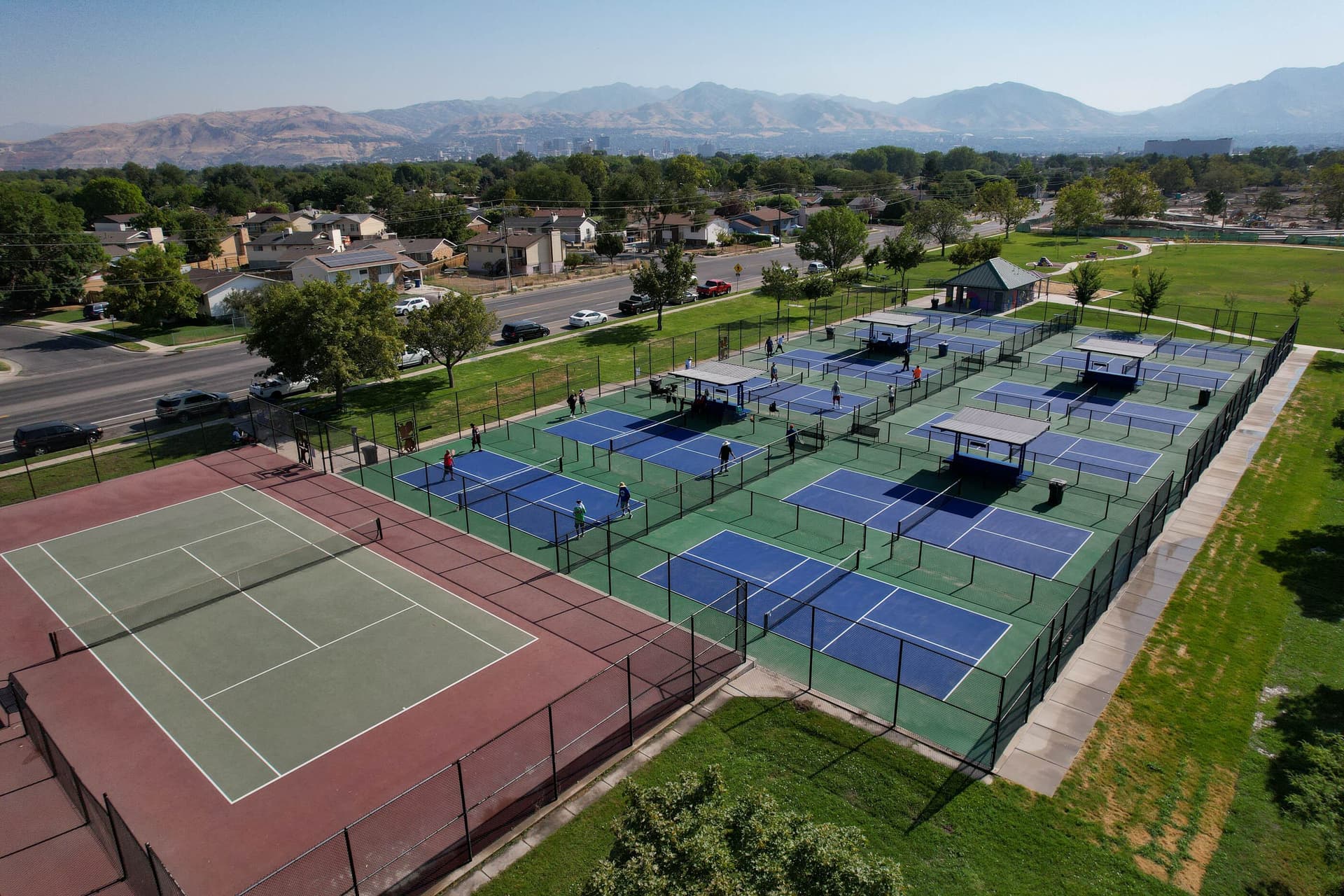
The court count also shows how quickly the project grew. A 2023 community engagement report said the original plan called for four new pickleball courts while keeping the existing eight tennis courts. That plan shifted as interest in pickleball grew, and the courts were moved up in the project schedule. The result is a much larger public playing space than the first concept suggested.
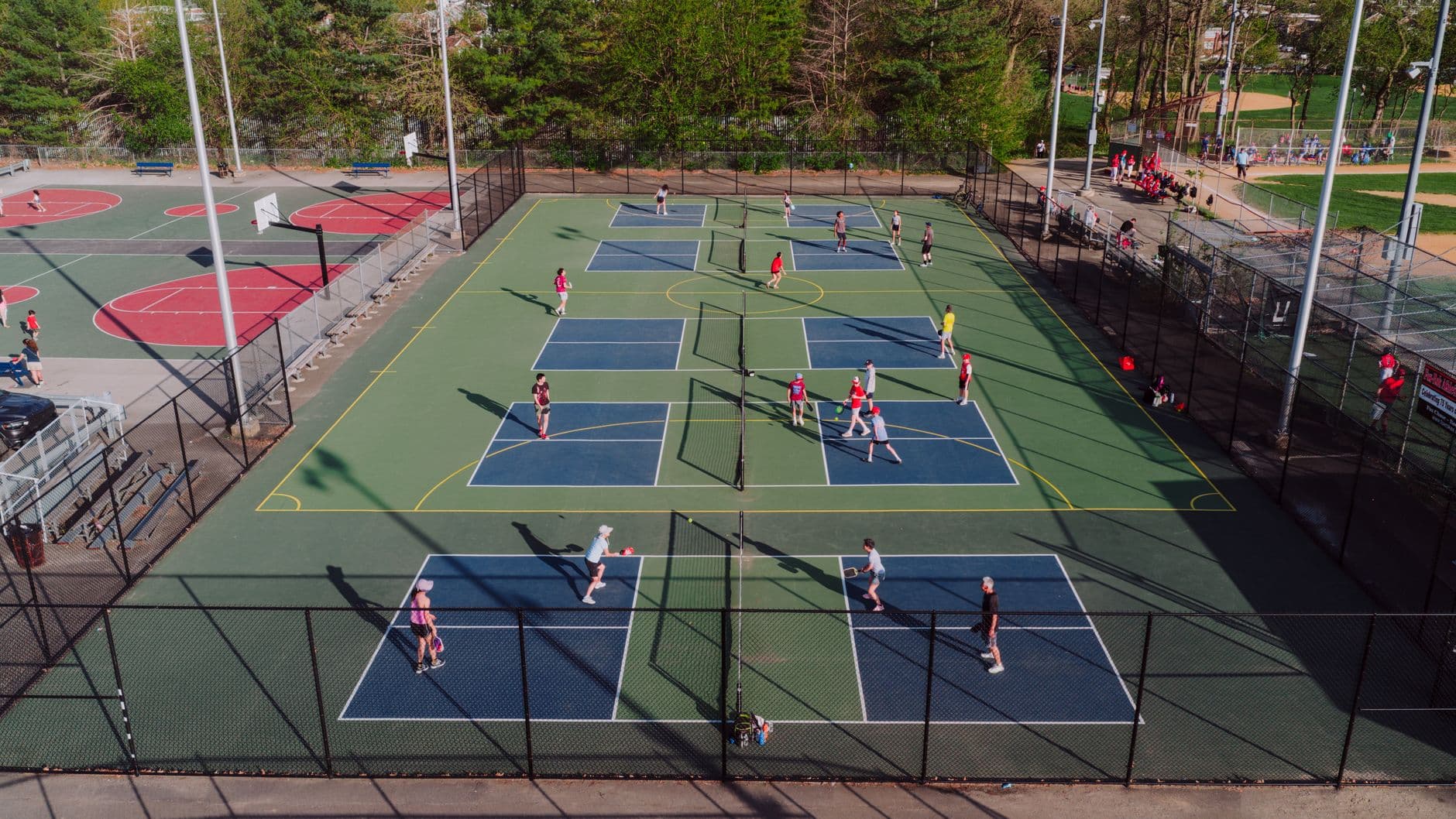
For players building a Salt Lake City itinerary, Glendale Park now reads as more than a neighborhood stop. It has the court count to support sustained open play and enough capacity to handle heavier traffic without feeling cramped, which is exactly what makes a municipal park feel destination-worthy instead of merely convenient.
This article was produced by Prism’s automated news system from verified source data, official records, and press releases, then run through automated quality and moderation checks before publishing. The system is built and supervised by the people who set the standards it runs under. Read our full AI policy.
Did this article answer your question?