Why poaching is one of pickleball’s smartest pressure shots
One clean poach can flip a doubles rally in seconds, and it is the fastest tactical win a retreat player can add without rebuilding their game.
Why the poach matters so much
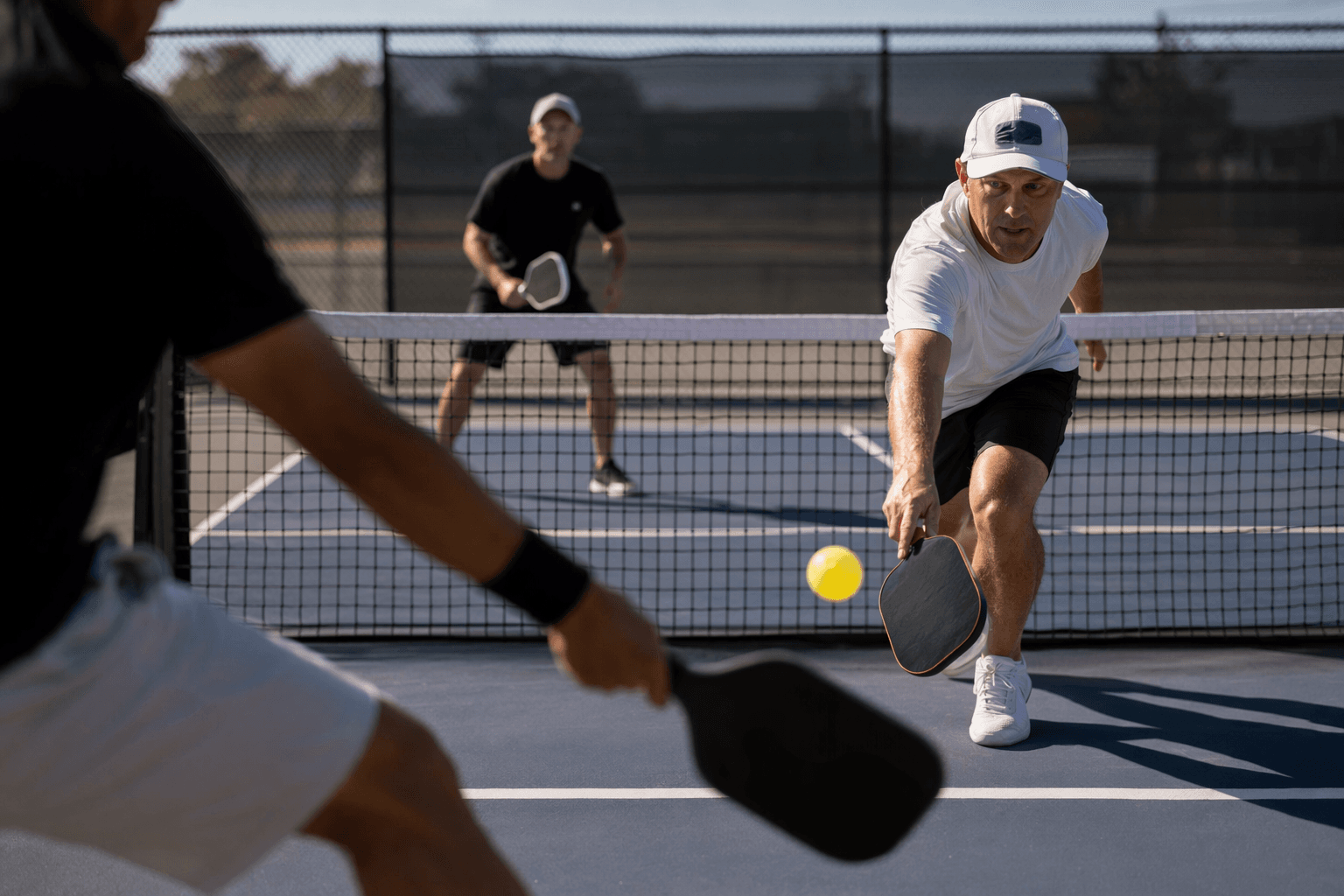
At a pickleball retreat, the poach is the kind of move that changes your doubles game almost immediately. One early step across the middle, one clean interception at the kitchen line, and a player who has been reacting all day suddenly starts controlling the point.
That is why the poach has become such a smart pressure shot. It is not random aggression or partner-stealing chaos. It is a calculated read based on your opponent’s patterns, body position, and the lane available to you, with the goal of cutting off a ball before the other side can reset the rally.
What makes it such a fast payoff
The real appeal of poaching is how quickly it can create visible results. When the read is right, a poach can force a weak reply, hand you an easy putaway, or turn a neutral exchange into a net-dominating opportunity. You do not have to win every point with raw pace; you only have to recognize the predictable ball and get there first.
That is especially useful for recreational players who want a more competitive feel without overhauling everything in their game. The shot rewards timing, courage, and court awareness more than pure athleticism. In practice, that means a player can look sharper in doubles almost instantly, because the poach turns anticipation into pressure.
How the shot works in real doubles
The biggest mistake is thinking poaching is all about speed. The better version is about recognition: seeing where the ball is headed, understanding whether your lane is open, and committing early enough that your opponent cannot comfortably reset the point.
USA Pickleball’s guidance fits that idea closely. Its poaching material separates pre-planned poaching from opportunistic poaching, which matters because not every interception comes from the same situation. Sometimes the move is built into the point plan. Other times it happens because a ball arrives in a predictable spot and the window opens fast.
That distinction is why communication matters so much. USA Pickleball says partner communication and signaling are key to effective poaching, and its broader doubles strategy advice centers on smart decisions, strong partner communication, and sound positioning. If one player moves and the other is unsure, the tactic turns risky. If both players understand the cue, it becomes a clean pressure tool.
Why the middle keeps opening up
Poaching and middle-court control usually go hand in hand. Christian Alshon described a pro doubles situation where he could “pinch the middle” and bait opponents to hit behind him after his partner was targeted. That is the modern edge in doubles: take away the obvious lane, force a decision, then punish the reply.
Pickleball.com’s strategy guide makes the same larger point. Strategy is not just about power. It is about positioning, shot selection, patterns, and pressure. That is exactly why poaching belongs in a serious doubles lesson. It is a decision-making shot that changes how opponents see the court, especially once they realize the middle is no longer safe.
For retreat players, that is the quickest way to feel dangerous without needing a full rebuild. One well-timed poach can make a player look organized, aggressive, and connected to a partner in a way that standard rallying often does not.
What the official rules say
The shot is not some gray-area habit that lives outside the rulebook. USA Pickleball says its Official Rulebook was first published in 1984 and is updated at the beginning of each year, with the 2026 version and rules summary serving as the current official references. In other words, poaching sits inside the modern doubles game as a legitimate tactic, not a workaround.
That official framing matters because it gives retreat coaches and clinic leaders a clear teaching lane. The goal is not to encourage reckless crossing. The goal is to teach players when the lane is theirs, when the ball is theirs, and how to move without creating confusion or collisions. That is what turns a flashy move into a repeatable one.
How to practice it in a retreat setting
The fastest way to learn the poach is to strip it down to simple decisions and repeat them until they become automatic. A retreat or clinic is ideal for that because players can drill the read, the movement, and the partner communication in short, focused bursts.
A useful progression looks like this:
- Agree on a simple signal before the drill starts, so the move is planned and not guessed.
- Start with opportunistic poaches on predictable balls, especially when the opponent’s body position gives away the lane.
- Move early, not late, and commit once the window opens.
- Keep the swing controlled, because the shot works best when the interception is clean, not wild.
- Recover quickly after the poach attempt so your partner is never left exposed if the lane closes.
That kind of work pays off fast because it trains the brain as much as the body. Players learn to read opponent patterns, recognize the open lane, and trust the move once it is there. The result is a doubles game that feels more proactive from the first day of a retreat.
Why this skill matters more now
The poach is gaining value because pickleball itself has grown so quickly. SFIA’s topline participation data said 19.8 million people played in the U.S. in 2024, then its 2026 reporting put 2025 participation at about 24.3 million Americans. USA Pickleball’s 2025 Annual Growth Report added more scale, counting 82,613 known courts and 18,258 places to play nationwide, with more than 2,300 new locations added in 2025 and 14,155 new courts added in 2024.
The growth story was already clear when SFIA and Pickleheads released the 2024 State of Pickleball report on November 14, 2024. More players, more courts, and more organized play all push the game toward sharper doubles tactics. That is why the poach stands out now: as the sport gets bigger, the players who learn to anticipate, communicate, and take the middle are the ones who start looking a step ahead.
For retreat players chasing faster results, that makes the poach one of the smartest pressure shots to add. It is simple enough to teach in a clinic, bold enough to change a match, and practical enough to make a recreational player feel competitive on day one.
This article was produced by Prism’s automated news system from verified source data, official records, and press releases, then run through automated quality and moderation checks before publishing. The system is built and supervised by the people who set the standards it runs under. Read our full AI policy.
Did this article answer your question?