Aruna Faces Tough Group 6 Test at 2026 ITTF Men's World Cup
Aruna lost 3-0 to Pucar on the opening day of the Macao World Cup, leaving Africa's only-ever quarter-finalist facing 18-year-old world No. 8 Matsushima for Group 6 survival.
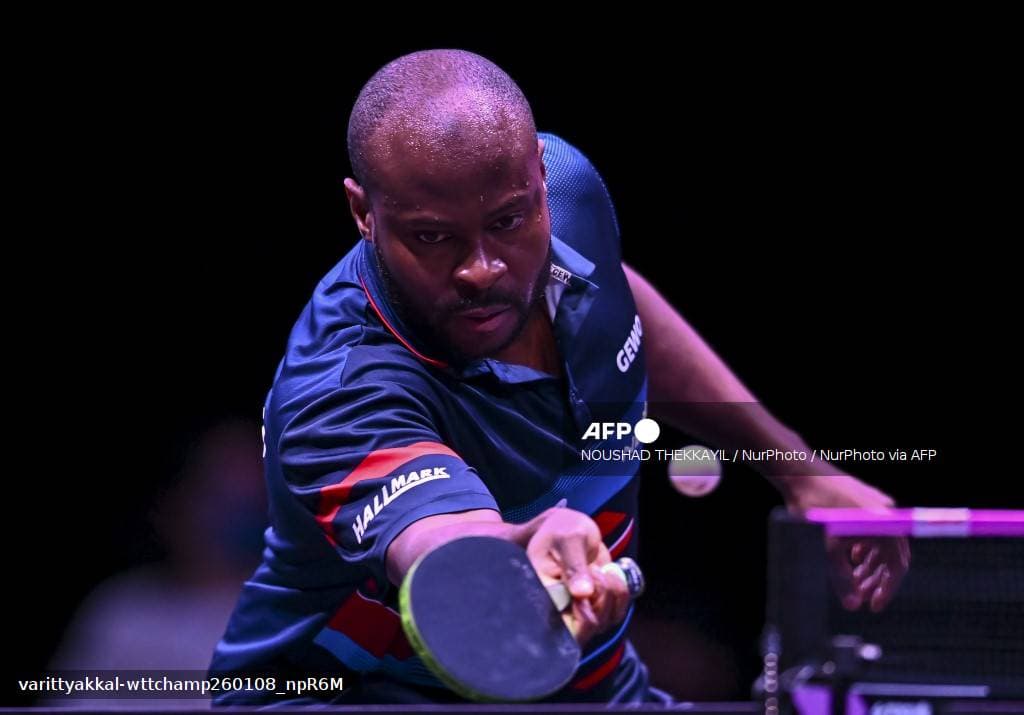
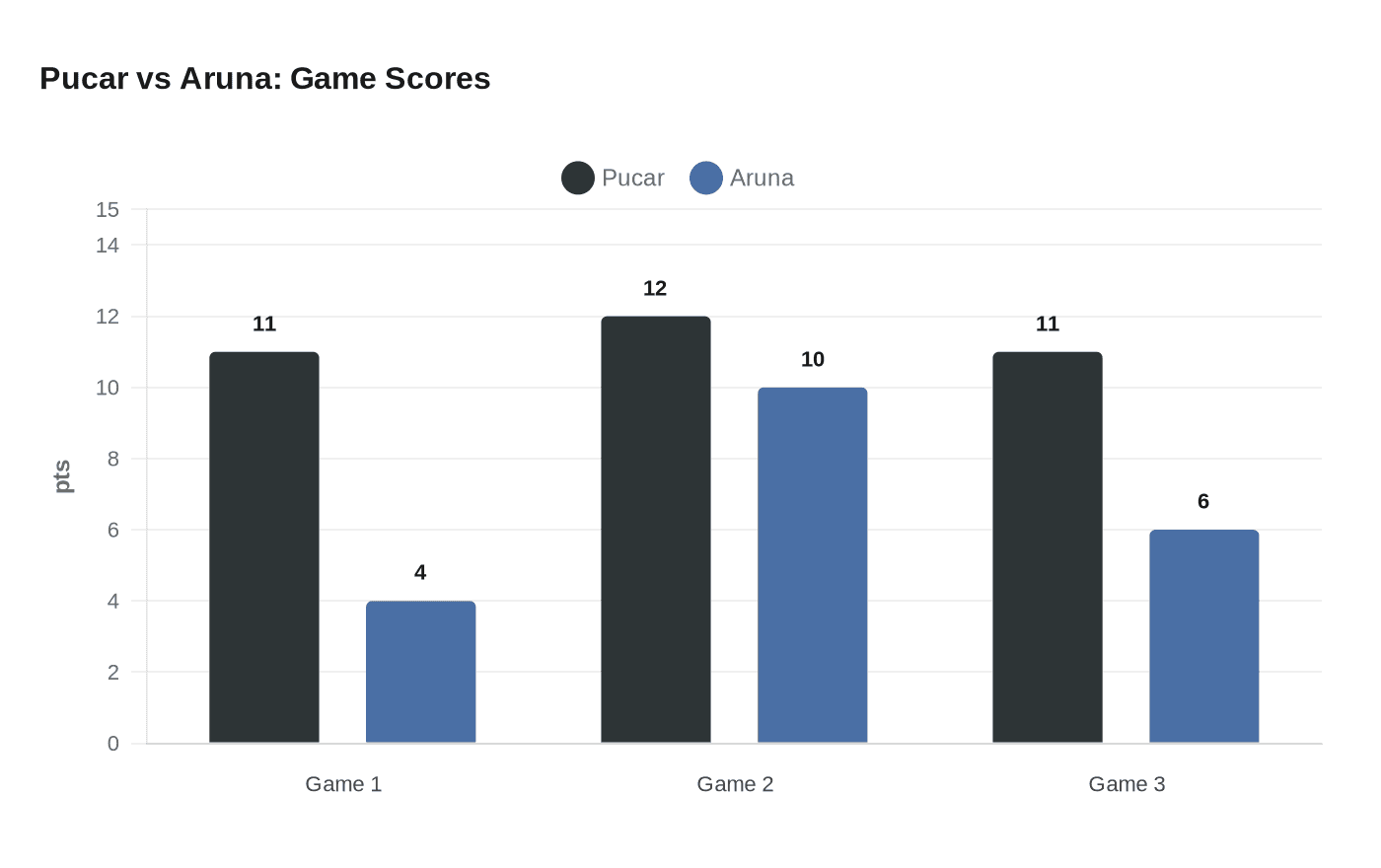
Forty-eight players, five days, Galaxy Arena in Macao: the 2026 ITTF Men's World Cup opened March 30 in the federation's centenary year, and Group 6 delivered its first verdict without ceremony. Croatia's Tomislav Pucar beat Nigeria's Quadri Aruna 3-0, winning 34 points to Aruna's 20, and left Africa's most decorated World Cup player one match from elimination.
The games read 11-4, 12-10, 11-6 in Pucar's favour. He won 18 points on his own serve and 16 on return. His biggest lead across the match was seven points; Aruna's was one. Stage 1's condensed best-of-five format punishes any player who doesn't win early exchanges, and with only group winners advancing to the knockout rounds, there is no recovery mechanism built in. Aruna managed five consecutive points in the second game but couldn't convert the momentum.
That format is now Aruna's second problem. His first is Sora Matsushima.
Where Pucar, at 198 cm, plays a physical shakehand game built on reverse pendulum serves and early-contact banana flicks developed in the plastic ball era, Matsushima is left-handed. That single fact restructures every serve-receive pattern on the table. A lefty's cross-court serve lands in a different section of Aruna's backhand box than anything Pucar sent at him. The angles Matsushima generates from his forehand cross-court push Aruna to his backhand hip rather than his natural forehand wing. Handling that geometry demands proactive footwork from the first rally: step around and attack from the middle, or get absorbed into backhand exchanges where Matsushima's physics are more comfortable.
Matsushima reached a best world ranking of No. 8 last November, and he turned 18 in April 2007. In October 2025, he beat Pucar 3-0 and defeated Wang Chuqin in the same stretch of events. That form explains why Group 6 felt immediately precarious for Aruna, who has been without a win since September 2025, stretching to nine consecutive losses in major international competitions, managing just one game win across his last 13 matches.
Casual fans watching the Matsushima match should key in on two moments per game. First, track how Aruna responds to Matsushima's opening serve of each game: if Aruna steps around and attacks from his forehand, he's dictating pace; if he funnels the ball back into a backhand exchange, Matsushima's angles take over quickly. Second, watch what happens immediately after Matsushima makes an unforced error. That mid-game beat, usually around 7-7 or 8-8, is where pace tolerance separates the players. Matsushima plays aggressive, front-foot table tennis, and a clean Aruna service winner off the back of a Matsushima mistake can shift psychological momentum in best-of-five. Aruna proved in the second game against Pucar that he can string five points together. The question is whether he can do it earlier and to more decisive effect.
Aruna is the only African player to have reached a World Cup quarter-final, a feat he achieved in Düsseldorf in 2014, and in 100 years of ITTF history, no one from the continent has matched it. That benchmark is what fans of African table tennis measure their players against, and why a Group 6 draw in Macao carries weight the scoreline alone doesn't fully capture.
Know something we missed? Have a correction or additional information?
Submit a Tip