France eye medal breakthrough as Lebrun-led teams target London 2026
France land in London with rare depth, a hot Felix Lebrun, and a direct Stage 2 path. The real question is no longer if they can contend, but what bracket lets them medal again.
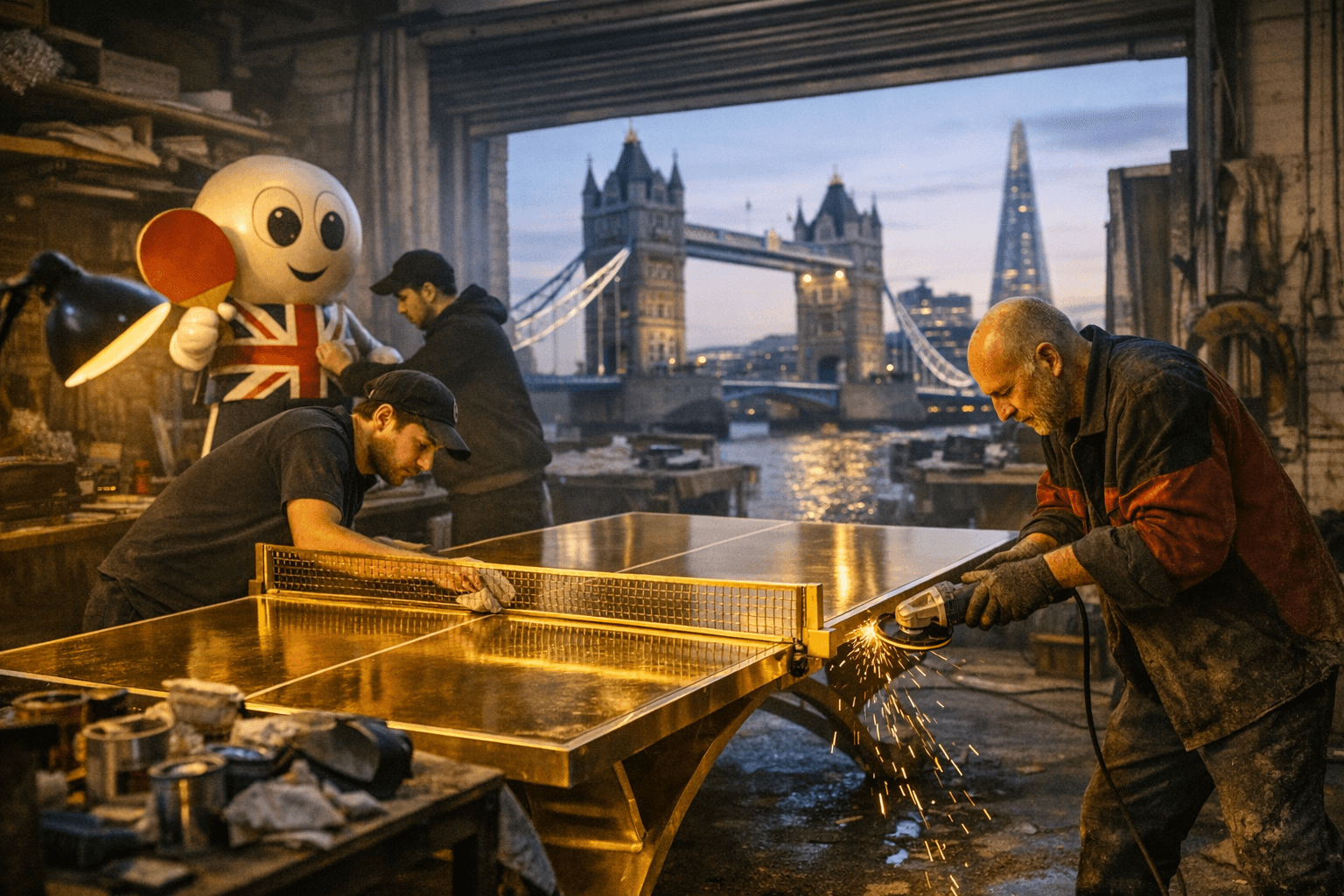
France are not arriving in London as a feel-good dark horse. They are arriving as a medal audit case, with real evidence on the table and a draw that immediately makes the conversation more serious. The ITTF World Team Table Tennis Championships Finals London 2026 runs from 28 April to 10 May, features 64 men’s teams and 64 women’s teams, and lands in the sport’s centenary year, 100 years after the first World Table Tennis Championships in London in 1926. That anniversary matters because it gives every result a bigger frame, and France have already shown they can live inside it.
The draw has already changed the temperature. France’s men and women are in Stage 1A, which sends them directly into Stage 2 and past the early elimination stress that can swallow a strong team before it ever settles in. With Stage 1B used for group play, Stage 1A functioning as seeding, and Stage 2 delivering the knockout rounds, France get the kind of path contenders want: less scrambling, more preparation, and a clearer shot at building toward medals instead of just surviving the opening days.
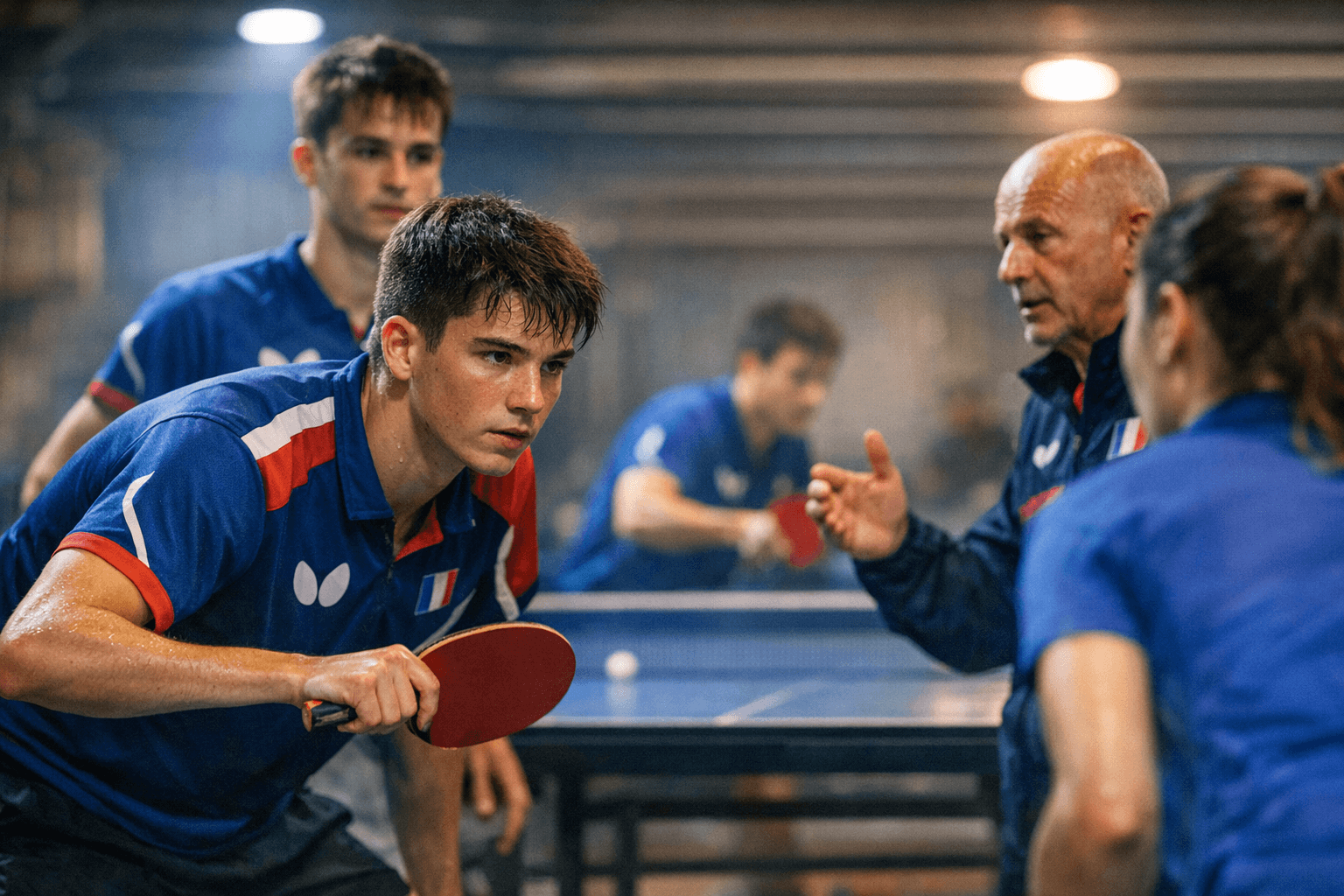
The men’s case begins with Felix Lebrun, but it does not end there. Felix has been one of the sport’s sharpest rising stories, and his recent run backs up the buzz. He won WTT Champions Chongqing 2026, reached the semifinal at Singapore Smash 2026, and now sits at a career-best ranking, which is exactly the sort of form line that changes how opponents set up a team tie. For a French side that wants another podium finish, that matters because Felix is not just the headline, he is the pressure point every rival has to solve.
What makes France unusually dangerous is that the support behind Felix is real. Alexis Lebrun gives the squad another proven international scorer, Simon Gauzy brings established experience, and Flavien Coton and Thibault Poret have both posted breakthrough runs on the world tour. The current French senior men’s ranking list makes the depth obvious: Felix Lebrun at No. 4 among French men, followed by Alexis Lebrun at No. 12, Simon Gauzy at No. 19, Flavien Coton at No. 23 and Thibault Poret at No. 26. That is not the profile of a one-man team, it is the profile of a side with enough layers to win a tie even if one star is checked.
That depth is the strongest reason to believe another men’s medal is realistic. In team events, the best squads are the ones that can absorb one shaky match and still keep the tie alive. France have that possibility now, which is why the medal probability looks better than in a typical year: Felix can anchor, Alexis can swing a critical point, Gauzy can stabilize, and Coton or Poret can become the surprise edge that turns a quarterfinal into something more. The evidence stops short of certainty, though, because the knockout format will eventually force them into the same high-pressure territory where the world’s dominant programs, especially China, usually make life miserable.
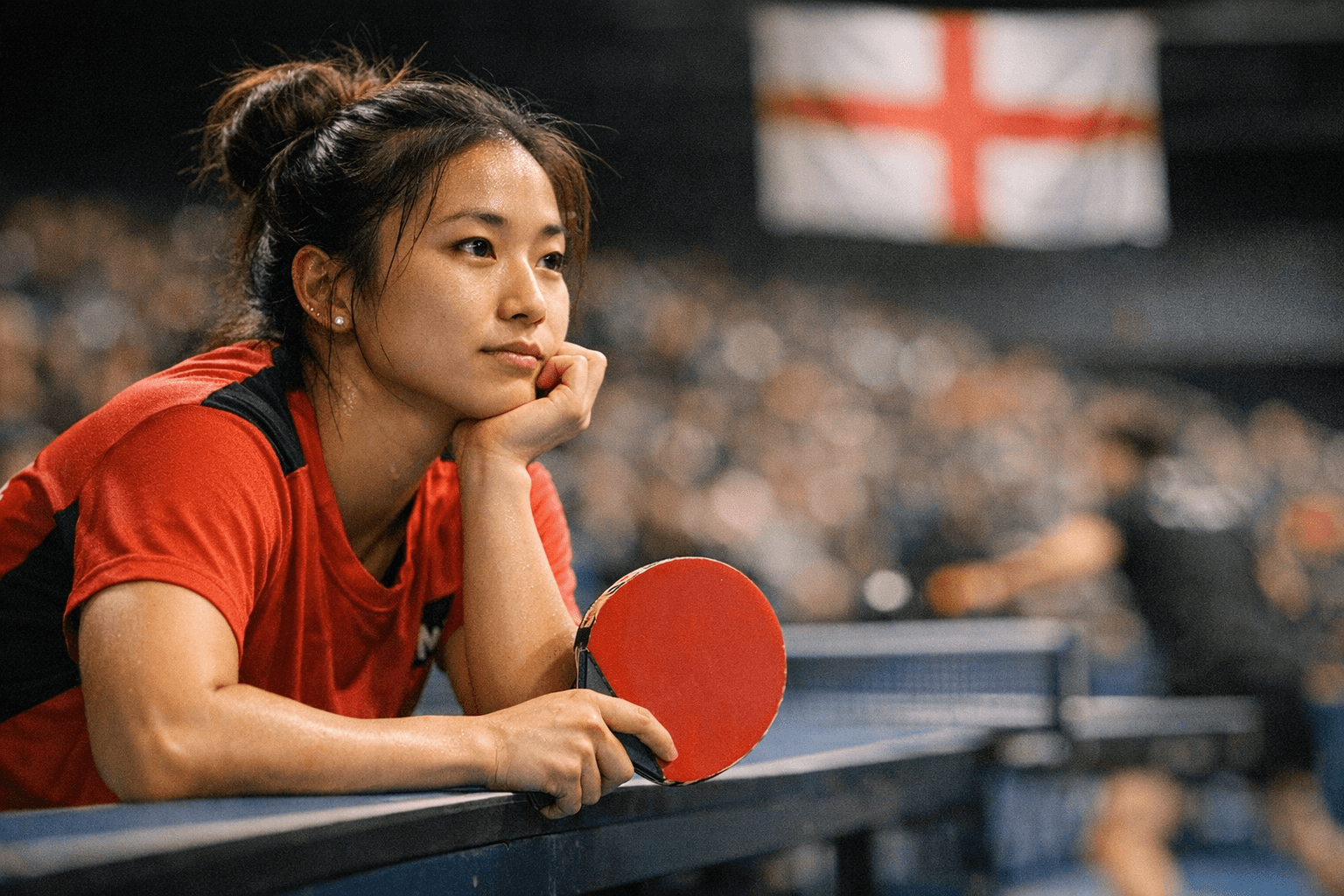
The women’s team has a different shape, but the same ambition. Jia Nan Yuan and Prithika Pavade lead a squad that is being framed as good enough to push for the podium again, and the proof point is Busan 2024, where France won bronze after a quarterfinal run that turned into a medal finish. The women’s side is not being sold as a depth monster in the same way as the men, but it does not need to be. In team table tennis, a balanced pair at the top and enough solidity around them can be enough to sneak through the decisive ties when the bracket opens.
Busan is the reason this preview feels like a probability check rather than a hope piece. France’s men reached the World Team Championships final in 2024 for the first time since 1997, then lost 3-0 to China, while the women also made the podium with bronze. That double-medal campaign changed the conversation around the federation, because it was no longer about whether France could flash on a big stage, but whether that flash could be repeated. The answer now depends on whether London 2026 becomes a sequel or a reset.
- The Lebrun brothers have to stay central, because France’s ceiling rises and falls with Felix’s current level and Alexis’s ability to win a key match.
The conditions for another medal are clear enough to name.
- Gauzy, Coton, or Poret need to provide a third scoring lane, so the tie does not become a pure star-versus-star grind.
- The Stage 1A route has to do its job, meaning France use the direct entry into Stage 2 to arrive fresh rather than emotionally spent.
- The draw has to delay the hardest collision until the late rounds, because medal probability in team table tennis is often less about bravado than bracket timing.
That is where the optimism ends and the evidence begins. France have the form, the ranking depth, the recent medal proof, and the kind of leadership that makes a team look larger than its names. They also have a clear ceiling imposed by the world’s deepest powers, and the knockout format will eventually demand that they prove Busan was not a one-off. Still, in a centenary World Championships returning to London, France have done enough to look like a nation trying to turn a breakthrough into a habit, and that is exactly how a medal program starts.
Know something we missed? Have a correction or additional information?
Submit a Tip