Hitomi Sato Reaches Taiyuan Final Without Dropping a Single Game
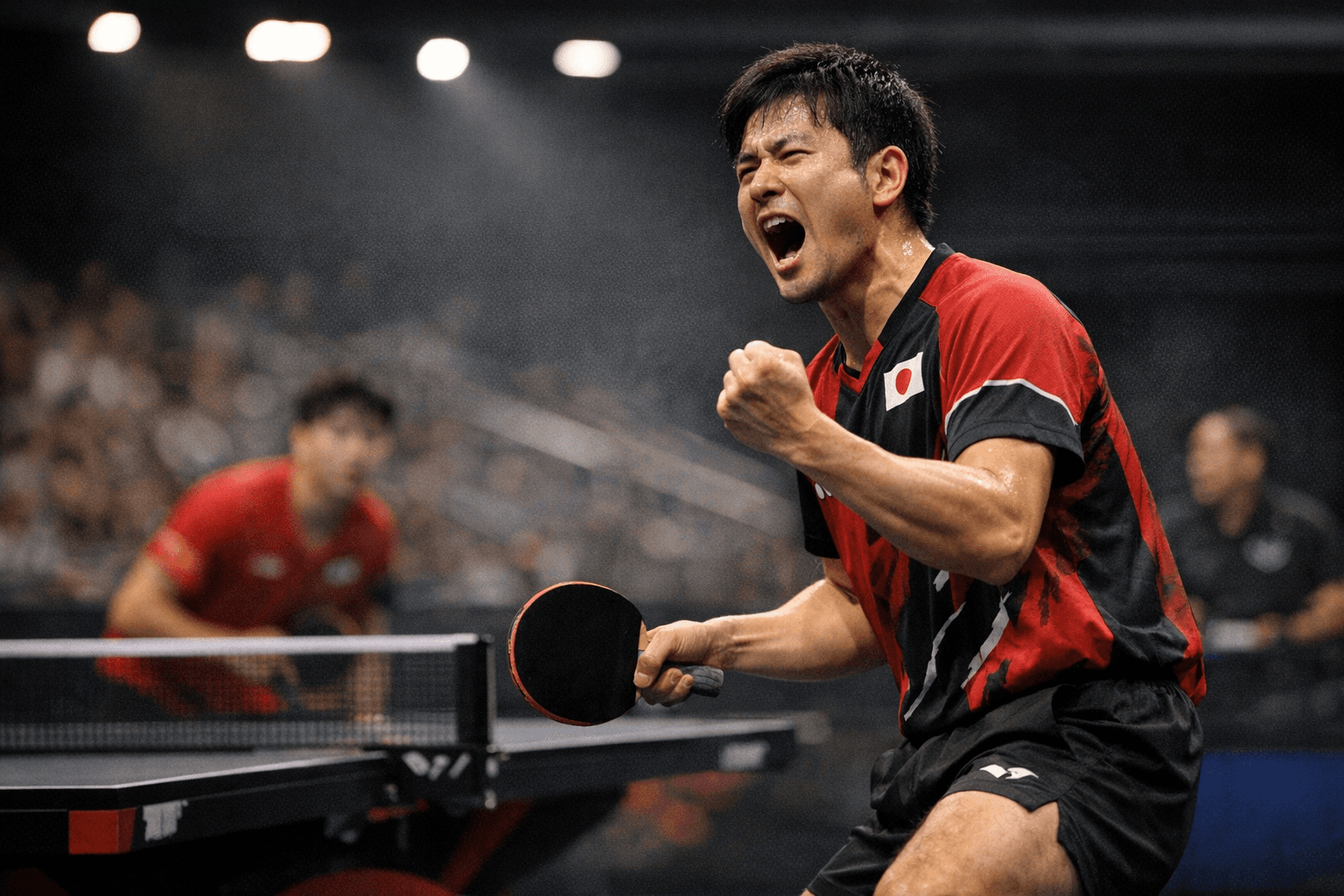
Hitomi Sato swept into the Taiyuan final without losing a game, dismantling both topspin attackers and choppers en route to an all-Japanese showdown with Satsuki Odo.
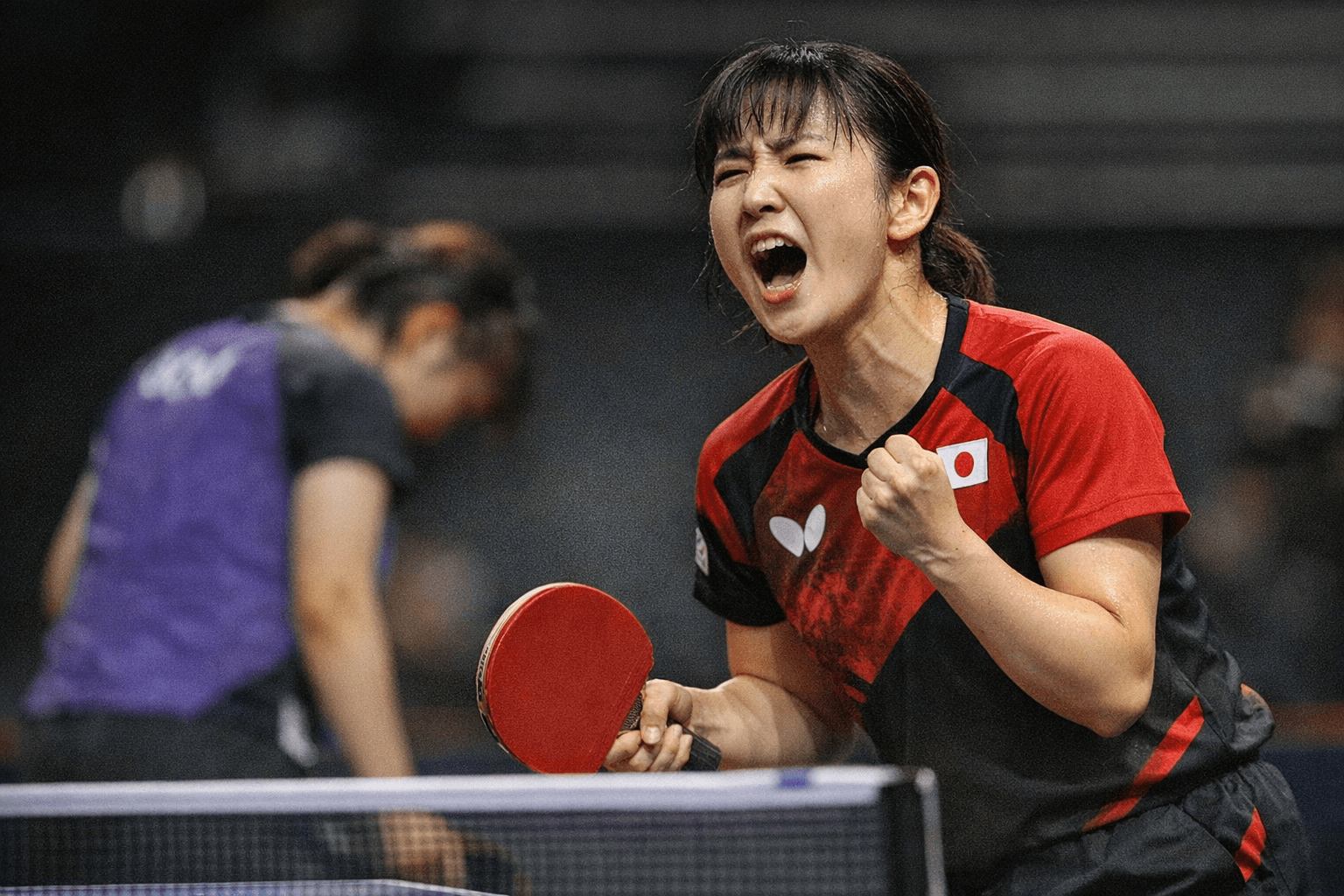
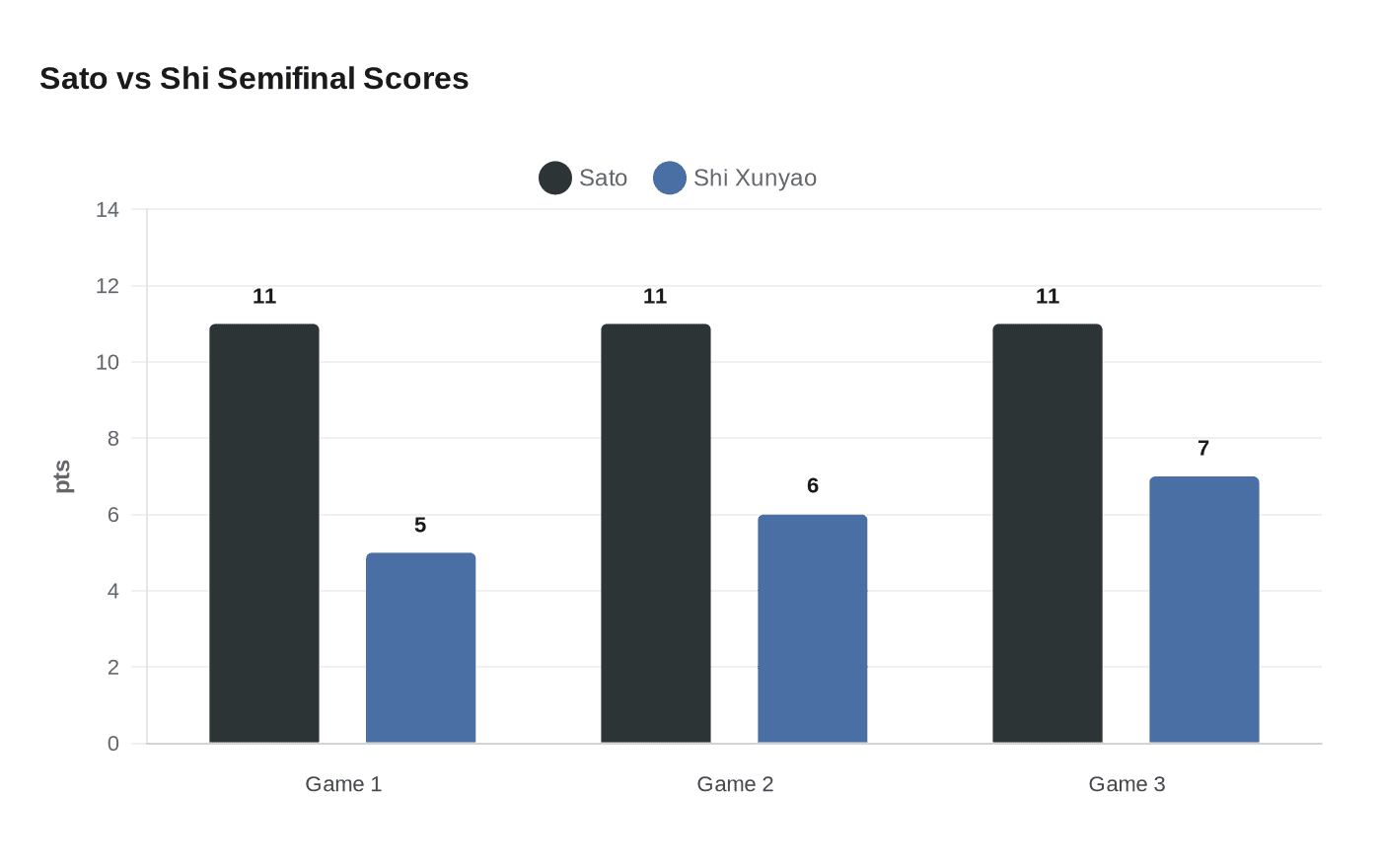
Defensive table tennis has a perception problem: most players at club level see it as passive, reactive, a style you adopt when you can't really attack. Hitomi Sato has spent her career proving that wrong, and her run through the WTT Contender Taiyuan 2026 women's singles draw is the clearest evidence yet. The world No. 22 reached the final at Taiyuan Binhe Sports Center without surrendering a single game, capping her semifinal run with a 3-0 dismantling of chopper Shi Xunyao, 11-5, 11-6, 11-7.
The margin in that semifinal scoreline tells most of the story. Choppers like Shi Xunyao are designed to frustrate aggressive players who can't modulate their topspin: hit too hard and the heavy backspin produces a net ball, hit too soft and she resets with a float that invites another loop attempt. Sato bypassed this trap entirely. She used short pushes to pull Shi out of position at the table, forced the floated return, and punished it with a well-placed counter rather than an all-out winner. The scores look clean precisely because Sato never tried to solve the chopper by looping harder.
Earlier in the week, she had faced the opposite problem. Mao Takamori, a 17-year-old ranked No. 2 in girls' singles despite sitting at No. 152 on the senior tour, came into their round-of-32 match with exactly the aggressive attacking approach that gives defensive players nightmares: fast, flat, relentless. Sato won that one 3-0 as well, absorbing the pace and redirecting until Takamori's rhythm broke down. The transition from defense to offense here isn't a single shot: it's a positional squeeze, where each blocked return lands tighter until the attacker has no angle left.
If you want to replicate these transitions in training, two patterns matter most. Against heavy backspin variation from a chopper, alternate short pushes to the forehand corner with a sudden long push wide to the backhand. The goal is not to out-loop the chopper but to disrupt the cutting rhythm by moving them laterally between each ball. When they float one back, you attack; when they keep it low, you push again and repeat. Against topspin pressure from an attacker like Takamori, work a three-ball sequence: receive the heavy loop to your backhand with a tight block aimed at the opponent's playing elbow, then side-step to cover the open forehand on the next ball. The block itself is not the weapon. The position it creates is.
Sato will take on Satsuki Odo in the final on April 12, after Odo swept Honoka Hashimoto 3-0, 11-3, 11-3, 11-2, in the other semifinal. Odo's result against Hashimoto carries its own resonance: Sato and Hashimoto won the women's doubles title together at WTT Contender Rio de Janeiro in 2024. Now Hashimoto is out, Odo is through, and the US$100,000 Taiyuan final comes down to two Japanese players who have watched each other closely for years. For Sato, winning the title with zero games dropped across the entire draw would be a statement about exactly what this style is worth.
Know something we missed? Have a correction or additional information?
Submit a Tip