ITTF Launches Centenary Photography Project to Celebrate 100 Years of Table Tennis
Table tennis's 100-year image record is scattered across family albums and club noticeboards. The ITTF's new photography project wants to rescue it before it disappears.
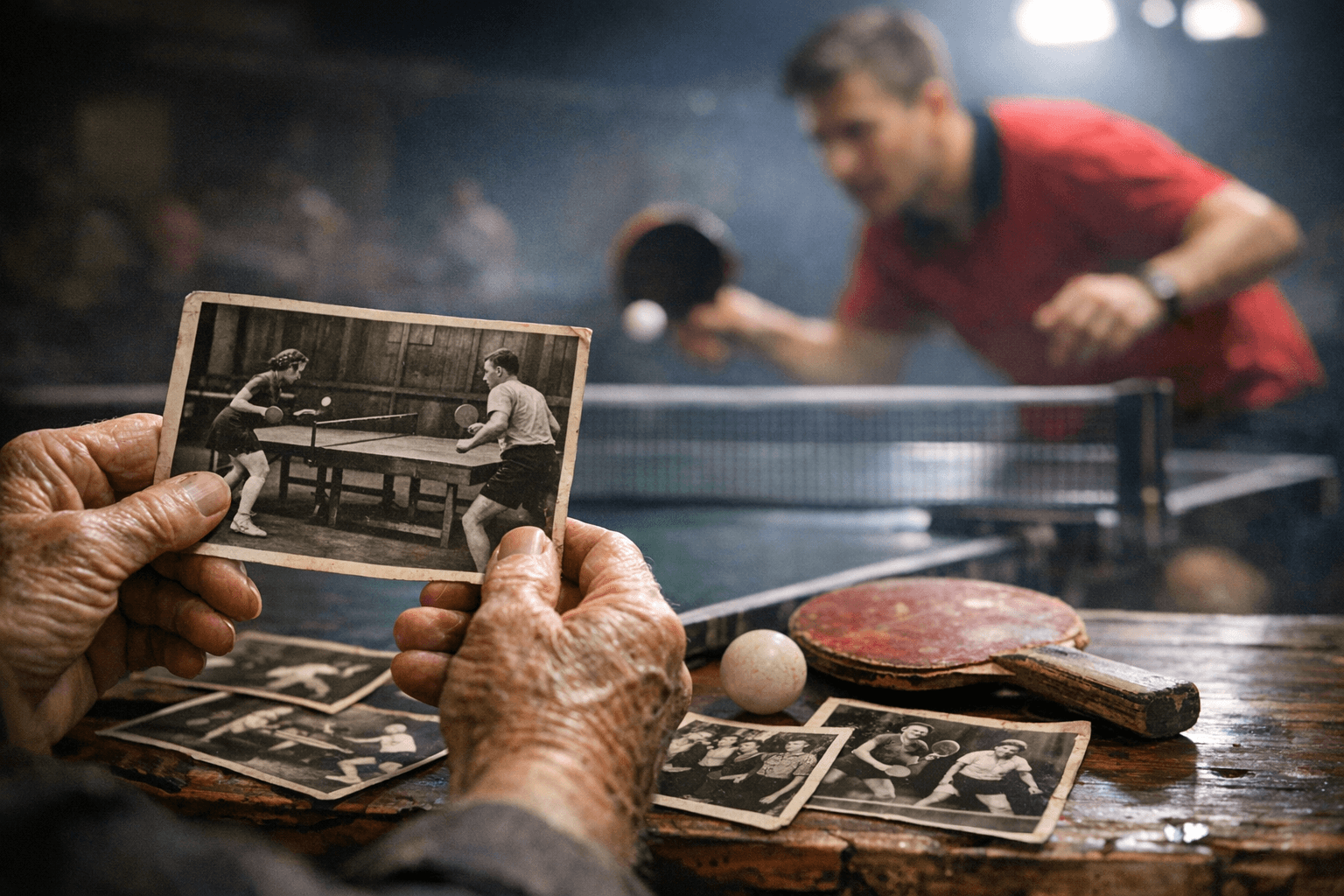
Table tennis needs a visual archive more urgently than almost any sport at its scale, and it has never had one. A century of serves, strokes, and world championships: the image record is fragmented across uncatalogued family albums, club boards, and association filing cabinets, with no guarantee any of it survives another generation.
The ITTF announced on 9 April that it is taking the problem seriously, launching the 'ITTF Centenary Photography Awards and Archive' in partnership with the World Sports Photography Awards. The project runs on two tracks: a professional photography competition judged through the World Sports Photography Awards, and an open archive call asking players, fans, and national associations worldwide to surface historic images from private and community collections. Both tracks feed into a digital collection curated for researchers and fans.
The professional partner is not a minor one. The World Sports Photography Awards in 2026 drew a record 23,130 submissions from 4,120 photographers across 123 countries, spanning more than 50 sports. Table tennis, a sport that rarely claims space in mainstream visual media outside of Olympic cycles, now has a direct route to get elite match imagery in front of editors and audiences at precisely the moment that justifies their attention. Category winners and a grand exhibition will feature during centenary activities at the ITTF World Team Table Tennis Championships Finals, which runs 28 April to 10 May at two London venues: OVO Arena Wembley and the Copper Box Arena.
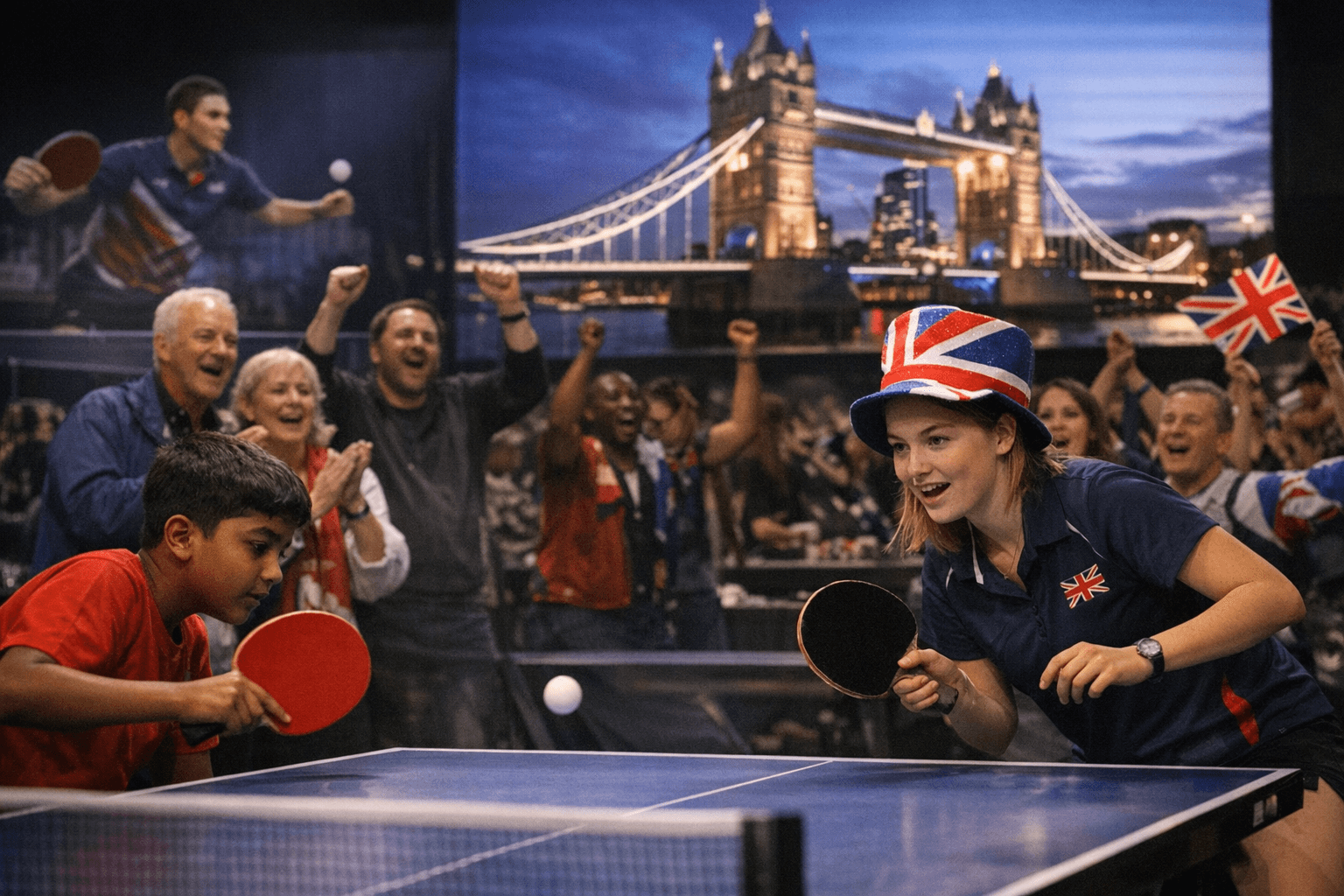
The London setting matters. The ITTF was founded in 1926 after a Berlin meeting of nine nations, including England, Germany, Hungary, and Austria, and the first World Table Tennis Championships were held in London later that same year. The federation now represents 227 member associations across every continent. "One hundred years on, we return to London, the birthplace of our Federation and the World Championships," ITTF President Petra Sörling said at January's centenary kickoff. The photography project places contemporary images of 64 men's and 64 women's national teams alongside recovered community photographs spanning that full century.
The case for photography as the right medium here is practical. A match broadcast shows you who won; a photograph from the 1960s shows the penhold grip's near-universal dominance in East Asian play before the shakehand era took hold, the solid-wood blade before carbon-fibre composites changed the game, the hotel ballroom functioning as a world championship venue. Equipment and technique evolution read clearly in stills in ways broadcast footage rarely makes explicit.
The archive call makes certain categories of image particularly worth finding. The women's game has been systematically under-photographed at every level through most of the sport's history. Para table tennis, which came under ITTF governance in 2007, has an even thinner photographic record. Grassroots venues, the community hall, the school club, the converted function room where most players first picked up a bat, are where the sport actually lives, and those photographs are the ones most at risk of being discarded.
If you are considering submitting, a few technical realities separate a compelling table tennis image from a blurry one. The ball moves fast enough that shutter speeds below 1/1000s rarely stop motion cleanly. The strongest images tend to show the ball near the moment of contact, a racket angle that identifies the stroke being played, and a stance that reveals the weight transfer separating elite technique from casual play. That combination makes a photograph primary-source material, not just decoration.
The archive search is open to clubs, associations, and individuals. The official centenary collection is being built right now, and what ends up in it depends entirely on what the table tennis community decides to share.
Know something we missed? Have a correction or additional information?
Submit a Tip