London Hosts Centenary ITTF Team Table Tennis Championships, 64 Teams Compete
London turns the world team event into a centenary showpiece, with 64 teams, a tricky two-stage format, and China still the team everyone has to chase.
London changes the feel of this championship
The ITTF World Team Table Tennis Championships Finals are never a small deal, but London gives the 2026 edition extra weight. The event runs from April 28 to May 10, and it lands in the city where the first world championships were staged a century ago, which makes this more than a routine title defense. It is a proper anniversary moment, with the men’s Swaythling Cup and women’s Corbillon Cup back in one of the sport’s most recognizable settings.
That matters because this is the kind of tournament that can blur into background noise if you only glance at the headline. London changes that. The centenary angle gives the event a story fans can grab immediately, and the scale of the field means there is enough room for upsets, pressure, and tactical chess to make every session feel loaded.
The dates, the trophies, and the shape of the week
The first thing to keep straight is the calendar. The championships begin on April 28 and continue through May 10, so this is a long, layered event rather than a one-week sprint. The men’s and women’s competitions each crown their own team champion, with the Swaythling Cup on the men’s side and the Corbillon Cup on the women’s side.
That structure is part of what makes the event worth following closely. Team table tennis is not just about one star winning a few pretty rallies. It is about depth, match management, and who can stay sharp across a long championship window when the pressure rises and the same squad may have to carry several tough ties in a row.
How the format really works
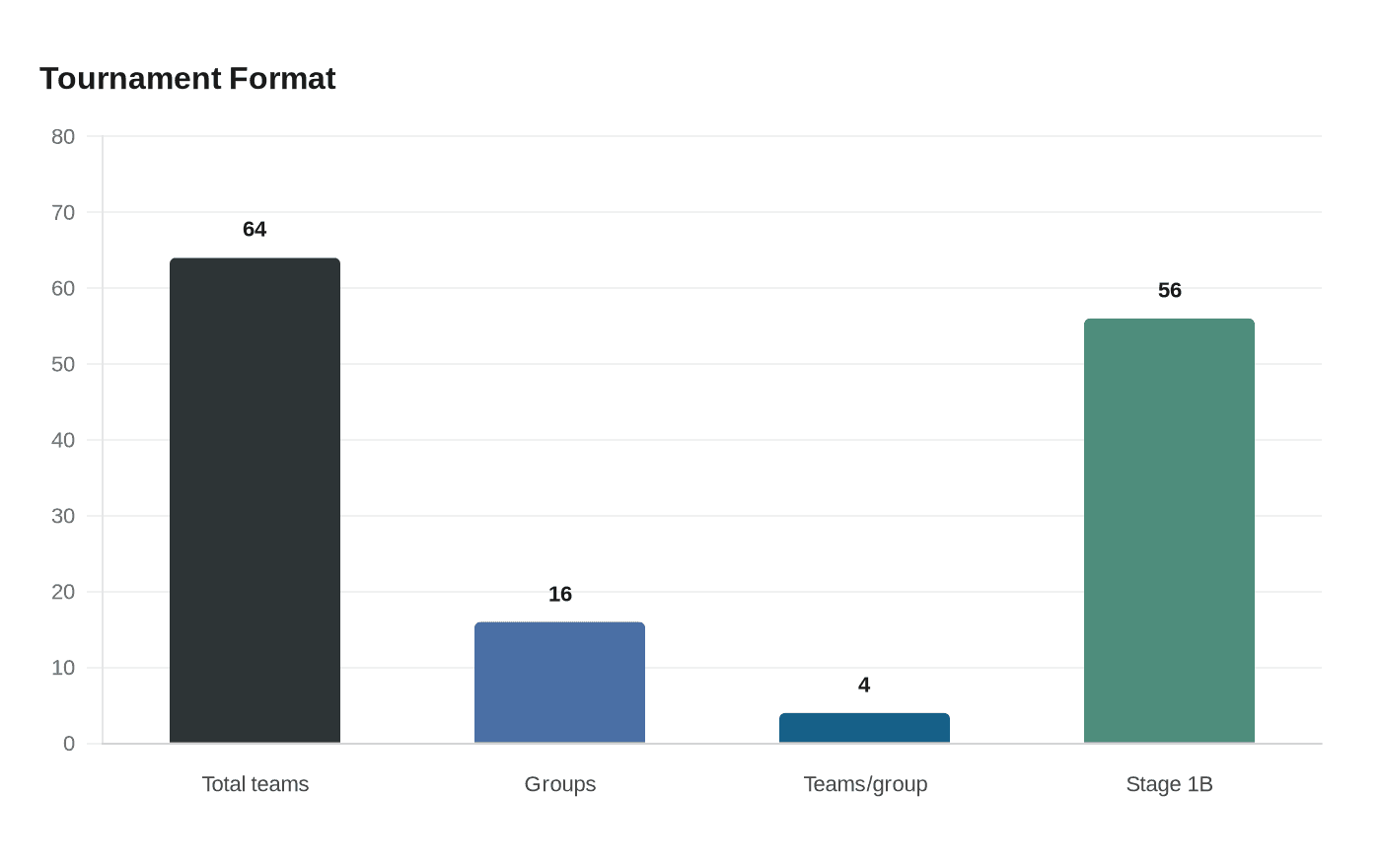
The format is the most useful thing to understand before play starts, because it tells you where the pressure points are. Each event features 64 teams split into 16 groups of four, which means every stage begins with plenty of room for sorting, seeding, and calculation. The top seven teams, plus hosts England, are seeded into Stage 1A, while the other 56 teams begin in Stage 1B.
From there, the tournament narrows through group play and an extra preliminary round for certain second-placed teams before the field reaches Stage 2. That knockout phase is the cleanest part of the draw: straight elimination, no margin for error, no hiding behind a slow start. Once the bracket tightens, one bad rubber can swing an entire tie.
The team-match format also changes how you watch it. Every team match is best-of-five singles rubbers, so a squad cannot rely on one headline player alone. Depth is the hidden currency here. A team with two stars and one weak link can get exposed fast, while a balanced lineup with a solid third or fourth option can keep surviving when the draw gets nasty.
Why this is not just about the front line
That best-of-five format is why team championships often produce different drama than singles events. A player can be outstanding and still lose a tie if the support cast cannot close. The preview’s real value is that it teaches fans to look past the obvious names and into the bench, the order of play, and the matchup decisions that decide these matches.
If you follow club table tennis, you already know the feeling: one lineup change, one awkward style matchup, one nervy fifth rubber, and the whole night flips. The world team championships magnify that tension. The format rewards tactical flexibility as much as raw talent, which is exactly why strong rosters matter more here than in many individual events.
China are still the benchmark
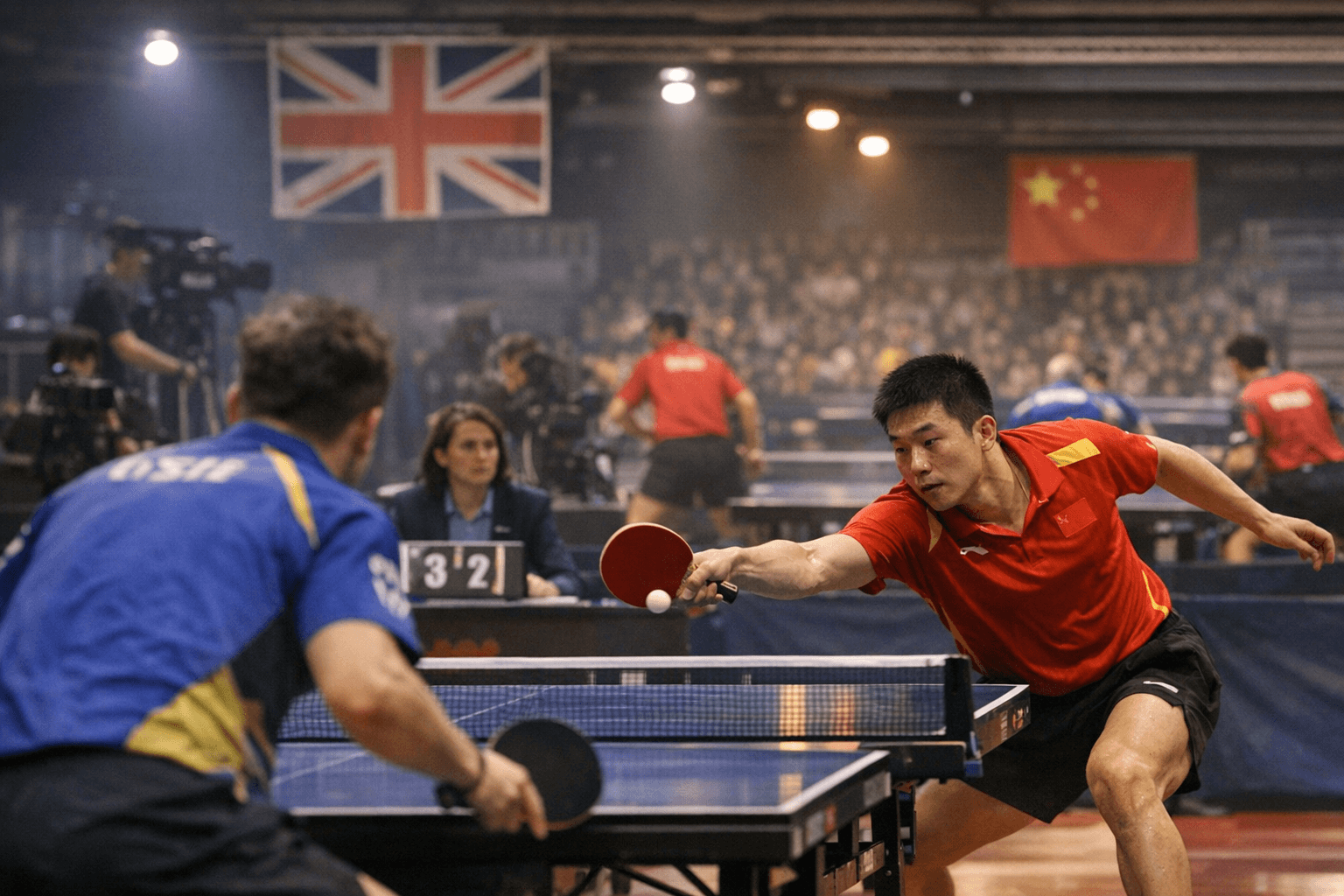
The competitive picture starts with China, because that remains the main storyline in both draws. They are the multi-time defending champions in both the men’s and women’s events, and the gap between them and the field still defines how everyone else approaches the tournament. On the women’s side, the last non-Chinese champions were Singapore in 2010, while the last men’s team other than China to win a world final was Sweden in 2000.
Those numbers tell you everything about the scale of the challenge. Beating China in this format is not just about one inspired performance. It takes repeated quality across a squad, and usually a match plan that survives the emotional swings of a long tie. The preview points to Wang Chuqin and Lin Shidong as the leading Chinese men’s names to track, which is enough to remind everyone why the top seed in this event still starts as the hunted and the hunter at the same time.
What to watch as the draw unfolds
The first watch point is the seeding path. Stage 1A gives the top seven teams and England a different entry route from the 56 sides that start in Stage 1B, so the opening rounds will already sort the field into tiers. That means the early days are not filler. They decide who lands where, who gets momentum, and who has to spend energy just to stay alive.
The second watch point is the knockout transition. Once Stage 2 begins, the tournament turns ruthless. A team that has survived the groups with confidence can still be gone quickly if the lineup order is off or if the third point goes missing. For fans, that is where the event stops being a broad championship and starts feeling like a series of high-stakes tactical duels.
The final watch point is the anniversary setting itself. London hosting the event again, a century after the first world championships, turns the tournament into a marker for the sport’s history as well as its present. The title race still matters most, but the setting gives every match a little more echo. This is not just another stop on the calendar. It is a centenary edition with 64 teams, two historic trophies, and a championship structure built to reward depth, nerve, and the squads best built for pressure.
Know something we missed? Have a correction or additional information?
Submit a Tip