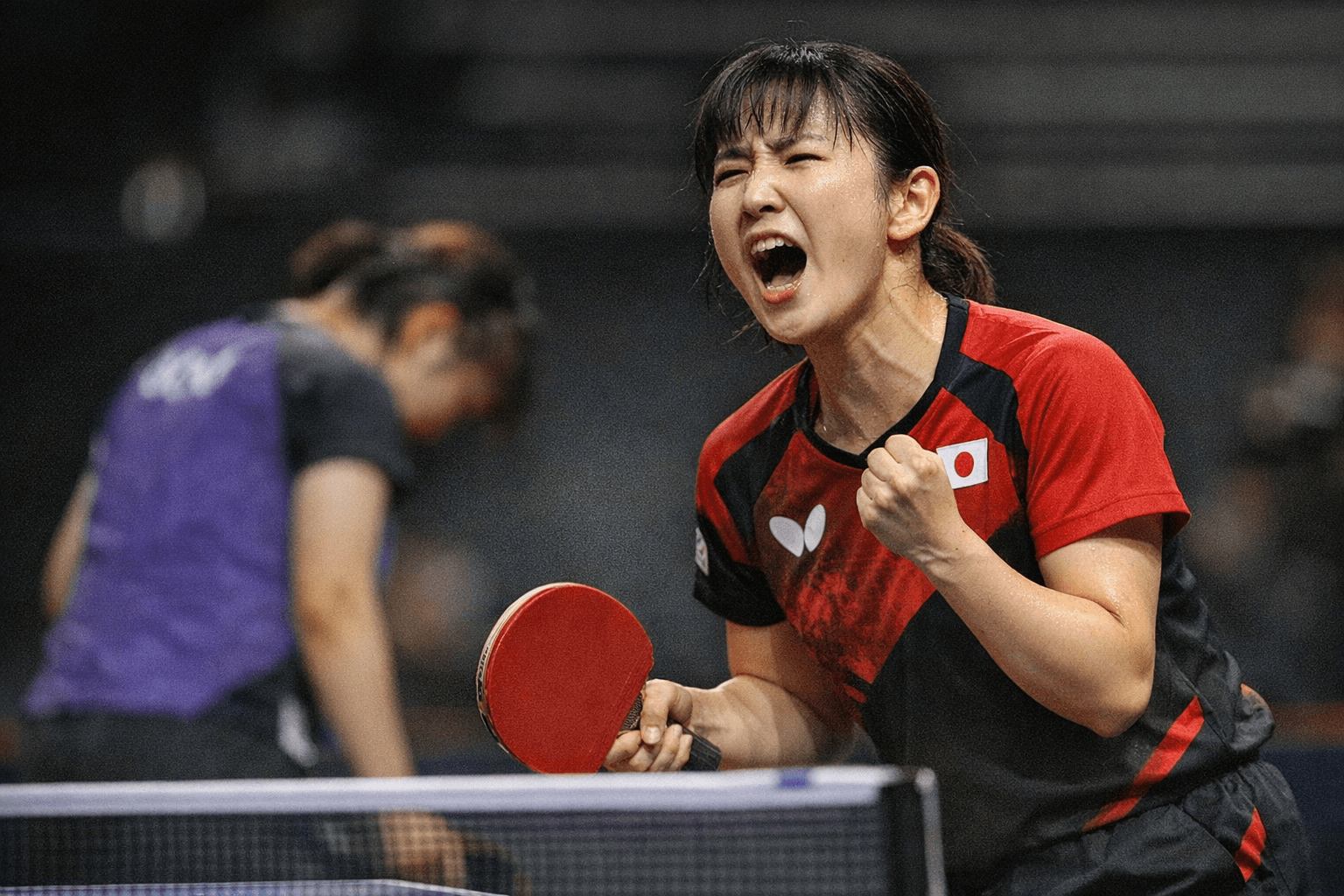
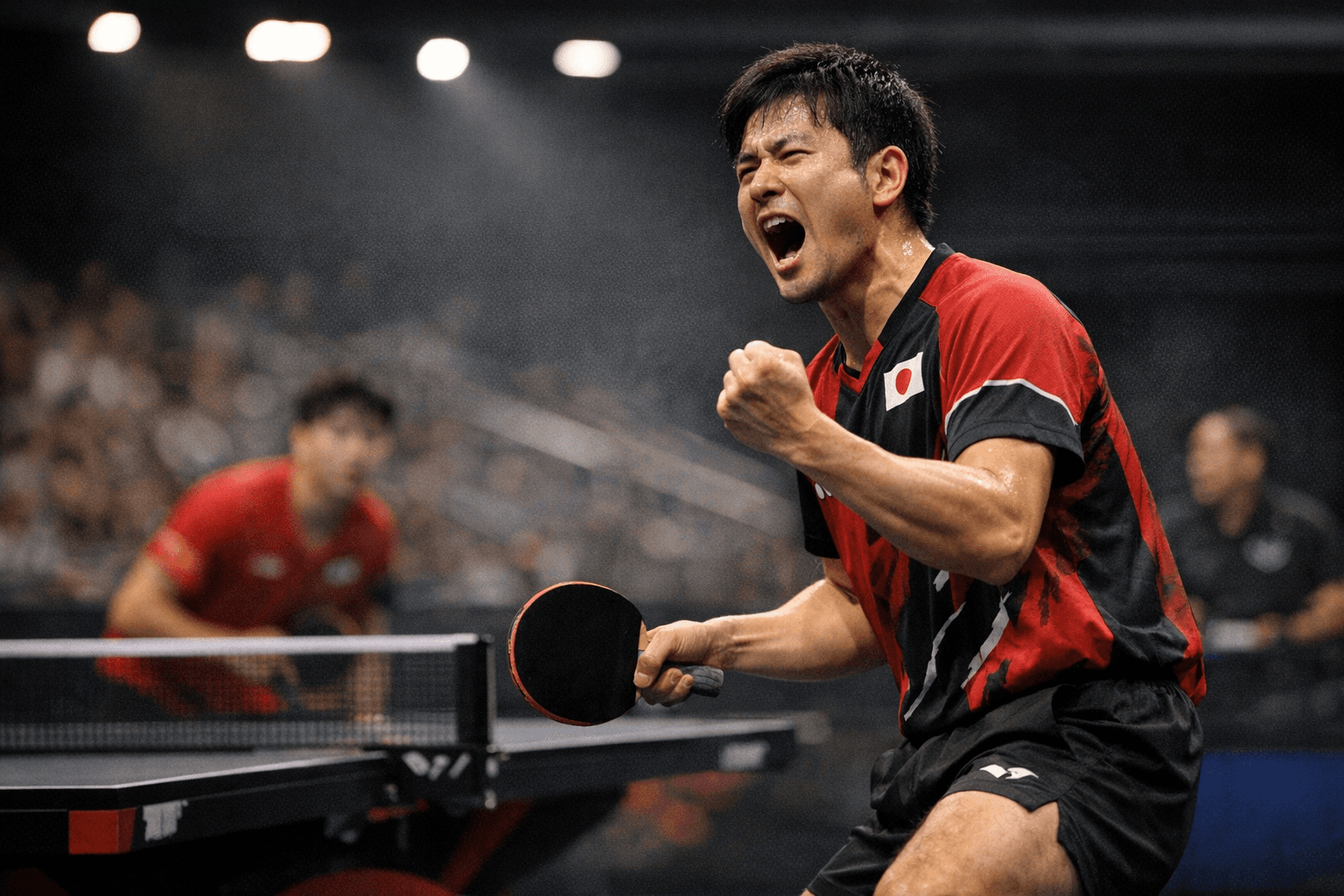
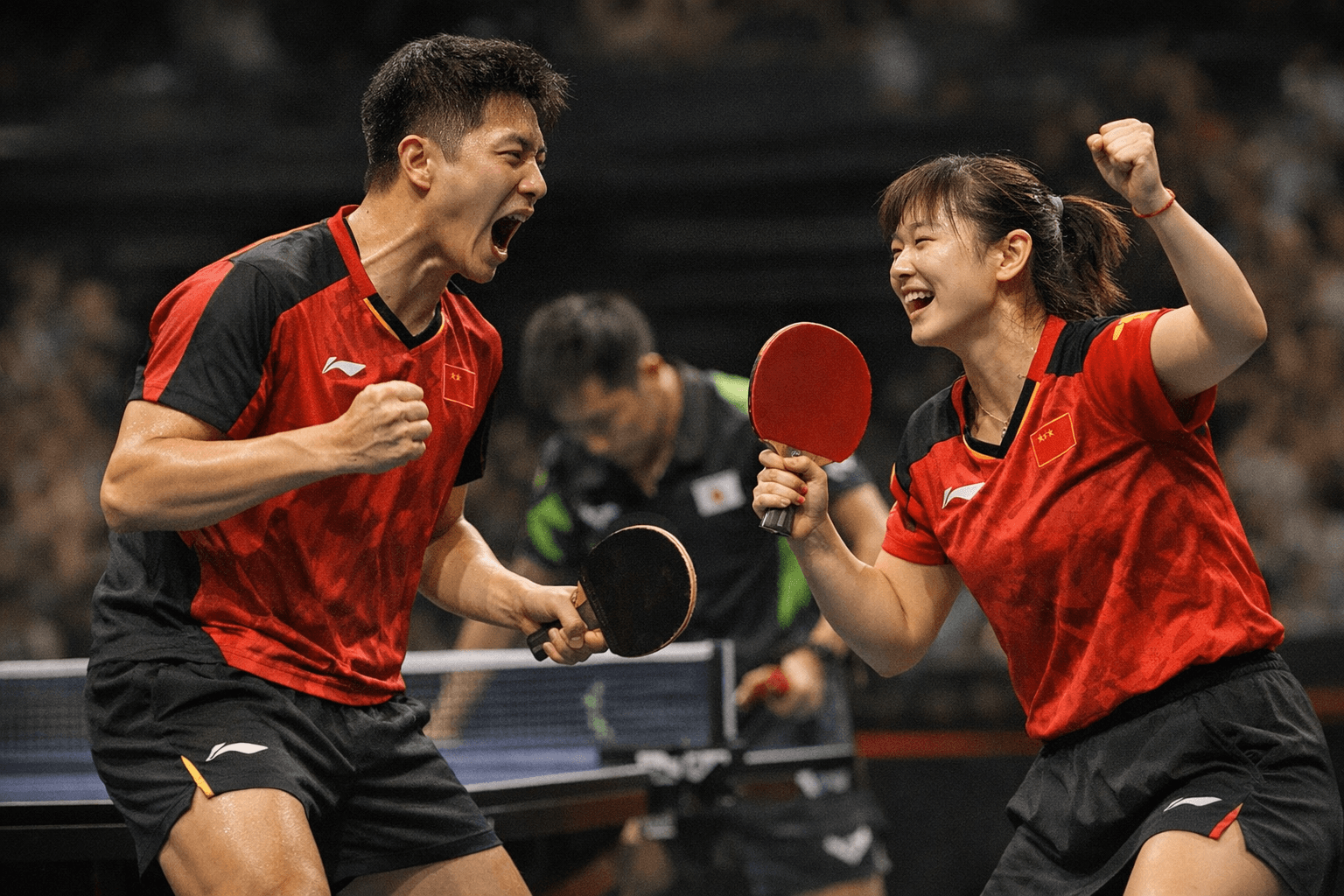
Police Teams Win Both Titles at 61st National Table Tennis Championship
Pakistan's Police swept both finals 3-0 at Peshawar's 61st Nationals, and their total dominance reveals how departmental power quietly shapes the country's entire talent pipeline.
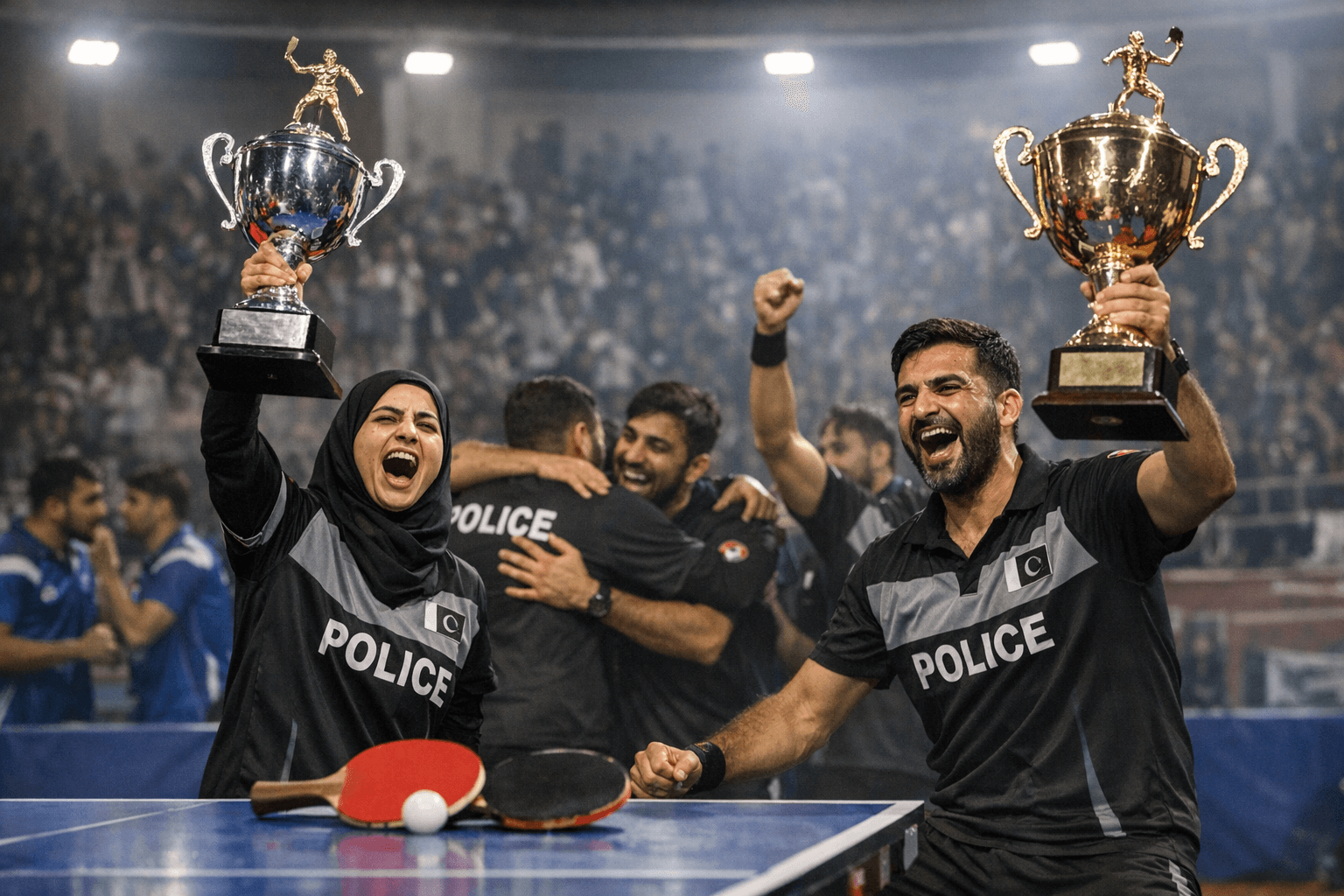
When one institution sweeps both the men's and women's titles without conceding a single game, it stops being a sporting result and starts being a structural statement. At the 61st National Table Tennis Championship in Peshawar, the Police teams did exactly that, defeating ASF 3-0 in the men's final and KPM 3-0 in the women's, completing a clean double that now defines the most pressing question in Pakistani table tennis: does departmental dominance build a stronger sport, or quietly hollow it out?
The 3-0 scorelines were not flukes. Officials credited fitness, shot selection, and consistent serve-receive as the decisive edges Police players held across both finals. These are not qualities that emerge by accident; they are the product of structured daily training, centralized coaching, and a competitive environment where performance directly underpins employment. Players on departmental rosters train together year-round under unified tactical systems and carry the institutional incentive of proving their professional value every time they step up to the table. ASF, the men's runners-up, operates under nearly identical conditions, which is precisely why that final was Pakistan's marquee match: two fully resourced institutions meeting at the peak of domestic competition.
The problem with that picture is what it excludes. Pakistan's national championships function as the primary selection benchmark for international duty, meaning the pipeline from talent to national squad runs almost entirely through departmental employment. A gifted teenager from Lahore or Quetta who has not been absorbed into Police, ASF, the armed forces, or a well-funded provincial programme has almost no structured route to that stage. Club-based systems in countries like Germany or Japan work differently: regional clubs compete in formal league structures, scouts identify talent independently of institutional affiliation, and players accumulate ranking points before ever signing with an employer. That model widens the pool rather than concentrating it.
Federation officials at the Peshawar event encouraged inter-departmental collaboration on youth coaching and stressed that continued investment in coaching and infrastructure was essential to lifting Pakistan's standing at the continental level. Emerging individual talents spotted during the championship were cited as reasons for cautious optimism. But aspiration without a structured pathway is just goodwill.
One reform worth serious consideration: a nationally ranked open circuit running parallel to departmental competition, where club players and unaffiliated juniors accumulate selection points toward the national team. Even a modest three-event annual circuit would give federation selectors a transparent, merit-based window into talent that never receives a departmental contract. The Police teams earned their titles cleanly in Peshawar. The real test for Pakistani table tennis is whether its ecosystem is broad enough to someday make that margin closer.
Know something we missed? Have a correction or additional information?
Submit a Tip