South Korea Names Ten Players for 2026 World Team Championships in London
Park Ga-hyun is 18, a junior, and she beat South Korea's seniors for a London spot alongside two players fresh out of mandatory military service.
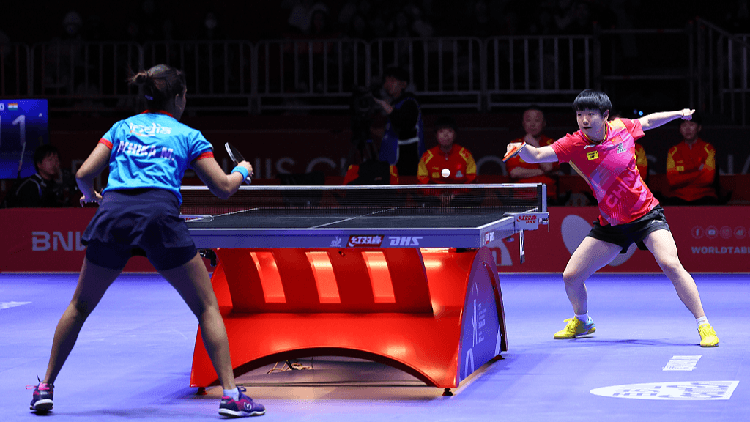
The South Korea table tennis federation made its position clear at the Jincheon National Training Center from April 5 to 7: when forced to choose between experience and ceiling, choose ceiling. The ten players who emerged from those three days of selection trials will represent Korea at the 2026 ITTF World Team Table Tennis Championships Finals in London from April 28 to May 10, and the squad itself reads as a deliberate generational bet.
The backdrop matters. London's field has expanded from 40 to 64 teams per gender. That is not a cosmetic change. It restructures the entire bracket, multiplies the viable upset paths for lower-seeded nations, and raises the cost of any lineup that prioritizes reputation over current form.
Korea's men's roster is built around a clear hierarchy. Jang Woo-jin, who has accumulated 11 professional doubles titles across his career, is the team's doubles anchor: the player whose presence in the critical third rubber converts chaos into a tactical contest. Alongside him, An Jae-hyun brings the ranking authority to anchor the singles column, while Oh Jun-seong, currently world ranked 19, provides a reliable second option deep enough to absorb a heavy match load. The last two spots tell the more unexpected story. Kim Jang-won and Lim Yu-no, both members of the National Military Sports Unit, earned their London places by defeating experienced teammates in head-to-head selection play at Jincheon. Both are close to completing or have recently completed mandatory service, which means London could be each player's first major international event after their military commitment. They arrive as known quantities domestically and genuine unknowns internationally.
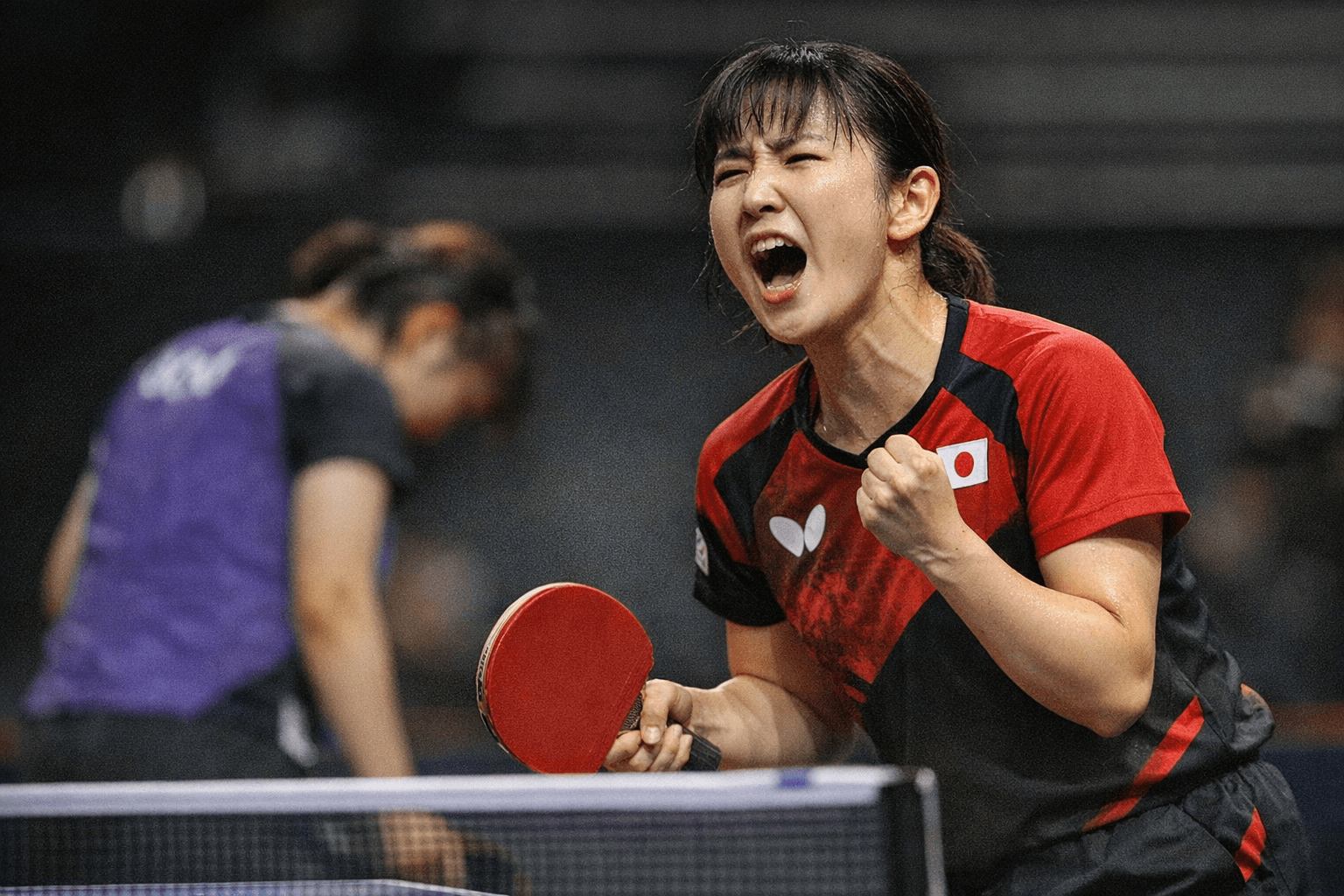
The women's selection is headlined by a single, striking fact: Park Ga-hyun is 18 years old, competes as a junior, and won a selection tournament outright against senior opponents. She is not a development pick given a developmental opportunity; she earned a competitive spot. Park will travel to London alongside Shin Yu-bin, 21 and world ranked 12th, the anchor the team builds around. Kim Na-young, 20 and ranked 30th globally, completes a top three on the women's side whose combined average age barely clears 20. Yang Ha-eun, 32, provides the veteran ballast the group will need across extended matchdays. Yoo Si-woo rounds out the five.
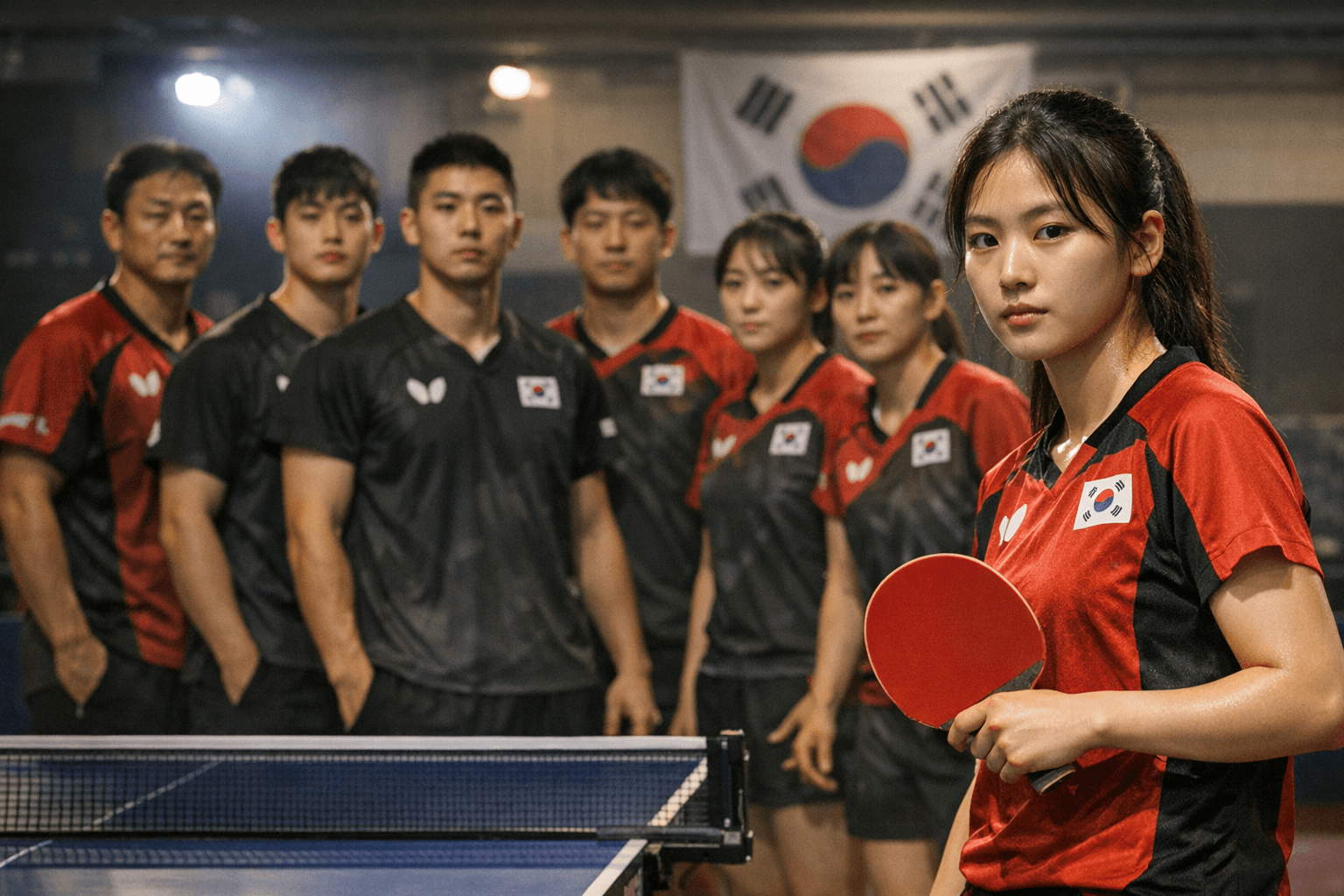
Behind the women's final roster, an eligibility dispute added a layer of complexity. Joo Cheon-hee, who held a ranking high enough for automatic consideration, did not meet a seven-year residency requirement tied to naturalization. That ruling forced additional selection play and reshaped the final five, a reminder that federation eligibility rules can reorder a national team as decisively as any on-court result.
The sharper tactical questions now arrive: how Korea sets its doubles pairings, and how coaches rotate across what will be a demanding schedule. For the men, pairing Jang Woo-jin with Kim Jang-won or Lim Yu-no in doubles creates a high-ceiling combination whose international chemistry is entirely unproven after both players' service-mandated absence. On the women's side, deploying Park Ga-hyun alongside Shin Yu-bin in doubles would be Korea's most ambitious card, and potentially its most disruptive one in a 64-team bracket that will reward exactly that kind of unpredictability.
Know something we missed? Have a correction or additional information?
Submit a Tip