Jah Lil champions conscious reggae, speaks for the overlooked
Jah Lil is building conscious reggae on purpose, not hype, with songs like “Can A Man Cry” and “End of War” aimed at the overlooked.
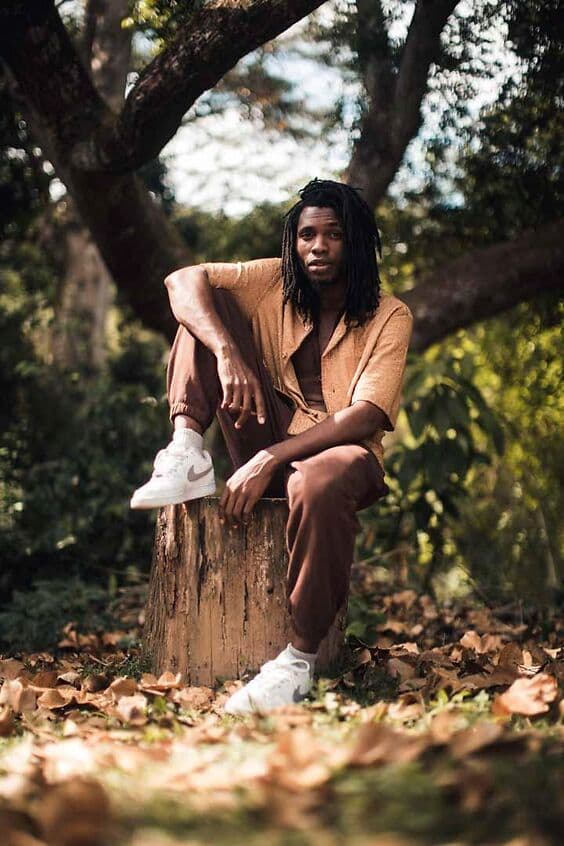
Jah Lil is not trying to sound like the rest of reggae’s loudest new voices. The Kingston artist, born Jerome Adrian Smith, has built his lane around purpose, empathy and the kind of conscious writing that still wants to move people after the hooks fade.
Purpose over pose
What separates Jah Lil from trend-driven peers is how plainly he defines his role. He sees himself as a people person, a leader in the room and a peacemaker, but he also makes room for self-protection and family protection, which gives his music a harder edge than the soft-spoken image might suggest. That balance matters because his story is not built on image first; it is built on conviction, and on a poverty-stricken upbringing that sharpened his sense of empathy.
That background explains why he keeps circling back to people who are often overlooked. Jah Lil’s music is not just about sounding uplifting, it is about carrying a message that can hold up in the everyday pressure of real life. He is openly skeptical of how often conscious music gets pushed aside by trend-driven output, yet he still sounds optimistic that listeners are asking for more balance and that space may open again for message music.
Roots that shaped the mission
Jah Lil’s connection to music started early. Talowa Productions says he began showing talent at age six at Rousseau Primary School, and later joined Jamaica College’s first All Together Sing choir. The Jamaica Observer profile also traces his musical life through church and high school, which makes his current direction feel less like a pivot and more like a line that was there all along.
He says the decision to pursue music professionally became clearer after he left school and realized it was the one thing that consistently felt like purpose. That detail matters, because it frames his career less as a search for attention and more as a commitment to something he believes he is meant to do. His official site describes him as a self-taught singer, songwriter and keyboardist, which fits the same pattern: he has built this from instinct, discipline and repetition rather than from a polished factory system.
A catalogue built around message music
His release list tells the same story in miniature. The official site names “Can A Man Cry,” “Above Water,” “Hold Corner,” “Warn Yuh,” “Pet and Pamper” and “End of War,” a sequence that reads like a map of survival, restraint, warning, tenderness and conflict. Those titles do not chase the current commercial mood; they point toward a catalog that wants to say something before it wants to sound fashionable.
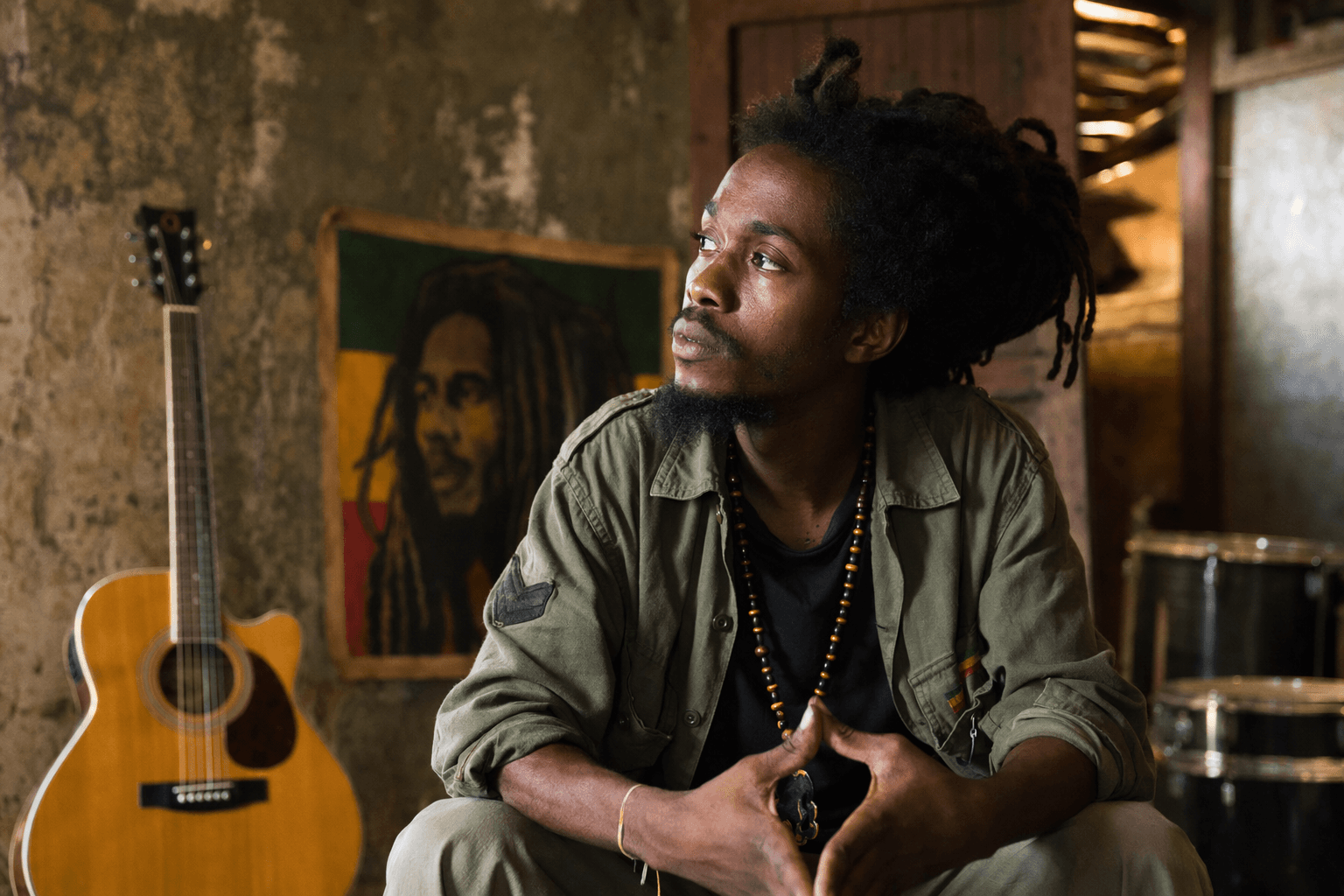
That approach is already paying off in reach. Talowa says his debut album, Can a man cry, has gathered millions of streams across platforms, a serious number for an artist still being framed as part of reggae’s next wave. Talowa also says Jah Lil has worked with Grammy-nominated producers Ziah Push on “Above Water” and Fatbabs on “End of War,” which gives the music extra weight without sanding down its message.
From Kingston to a wider lane
Jah Lil’s footprint is no longer just local, and that global spread is part of why he stands out. The Jamaica Observer profile says he has already been connecting with major audiences in Sweden, Kenya, Belgium and the United States, while also being signed to an international label and managed from Portugal. That combination tells you something important: this is conscious reggae being organized for export, not kept in a purely domestic lane.
The live record backs that up. Reggaeville documented his performance and interview at Reggae Land 2025, and also lists a Kingston date at Di Lot on May 7, 2026. Even with that movement, his official site shows no upcoming tour dates, which makes the existing performances and releases feel even more central to how his current moment is being built.
Why Jah Lil fits the next conscious-reggae wave
Reggae keeps making room for artists who understand that the genre still lives or dies on message. Jah Lil is part of that next conscious-reggae wave, the one that has to answer to listeners who want depth, not just momentum. In that sense, he is in conversation with the lineage that runs through Bob Marley, Dennis Brown, Garnet Silk and Buju Banton, but he is not trying to copy their silhouettes. He is carving out his own shape, one that leans into gentleness without losing backbone.
That is what makes his work interesting right now. He is not selling rebellion as a costume, and he is not flattening himself into a trend. He is building a body of music that speaks for people who are usually left at the margins, while insisting that reggae still has room for protection, compassion and hard truths in the same breath.
If conscious reggae is going to keep mattering, it will need artists like Jah Lil, who can carry the culture forward without stripping out the purpose that gave it power in the first place.
This article was produced by Prism’s automated news system from verified source data, official records, and press releases, then run through automated quality and moderation checks before publishing. The system is built and supervised by the people who set the standards it runs under. Read our full AI policy.
Did this article answer your question?