ArcStation PS1 optical drive emulator opens preorders for plug-and-play swap
ArcStation’s preorder pitch is simple: swap out the PS1’s disc assembly, keep the console stock, and get solid-state loading without a soldering iron.
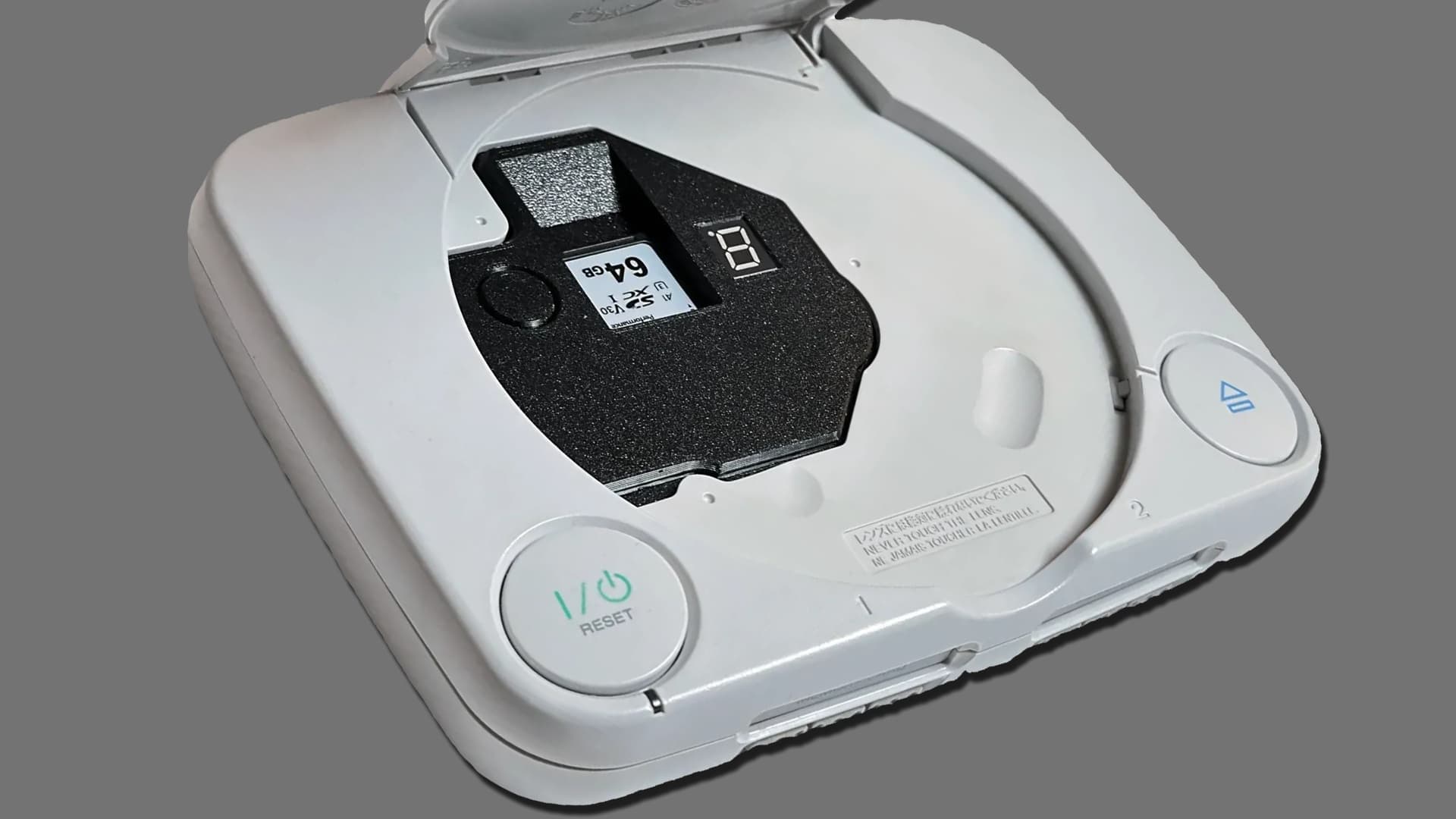
ArcStation opened preorders on a PlayStation 1 optical drive emulator that tries to erase the usual install headache. The selling point is blunt: this is a solderless replacement that swaps in where the original optical drive assembly sat, and it even fits the smaller PSone, with a 3D-printed enclosure included in the bundle.
That low-friction pitch comes with a price and a deadline. The preorder cost worked out to about 7,291.20 hryvnia, or roughly 165 dollars after shipping, and ArcStation said the first batch would ship in the order received, with the shipping deadline set for the end of September 2026. The company also said pricing was limited and would rise as more units were reserved. Delivery was listed at 1 to 3 business days in Ukraine, 5 business days or more in Europe, and 7 business days or more for the United States and other countries.
ArcStation framed the project as an independent, one-person effort designed and manufactured in Ukraine, and Bob’s technical read on it is what makes the hardware interesting. Rather than leaning on the usual digital bus and decoded data path, ArcStation said it recreates the analog signal produced by laser reflections from disc pits and lands. In plain PS1 terms, that means the console is supposed to see something much closer to a real drive than a software-heavy workaround. If that approach behaves the way the company claims, compatibility could land in a very different place from older ODEs.
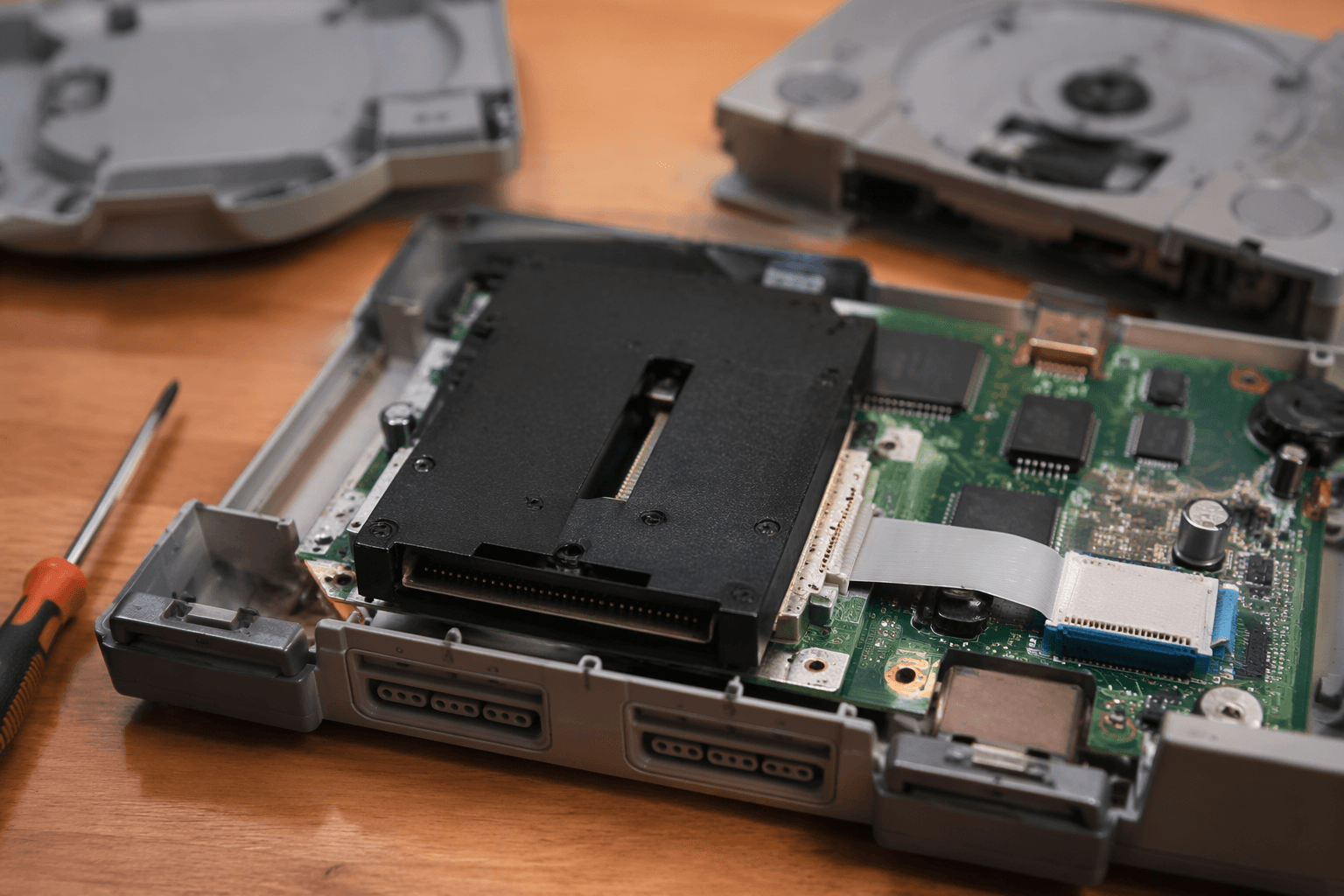
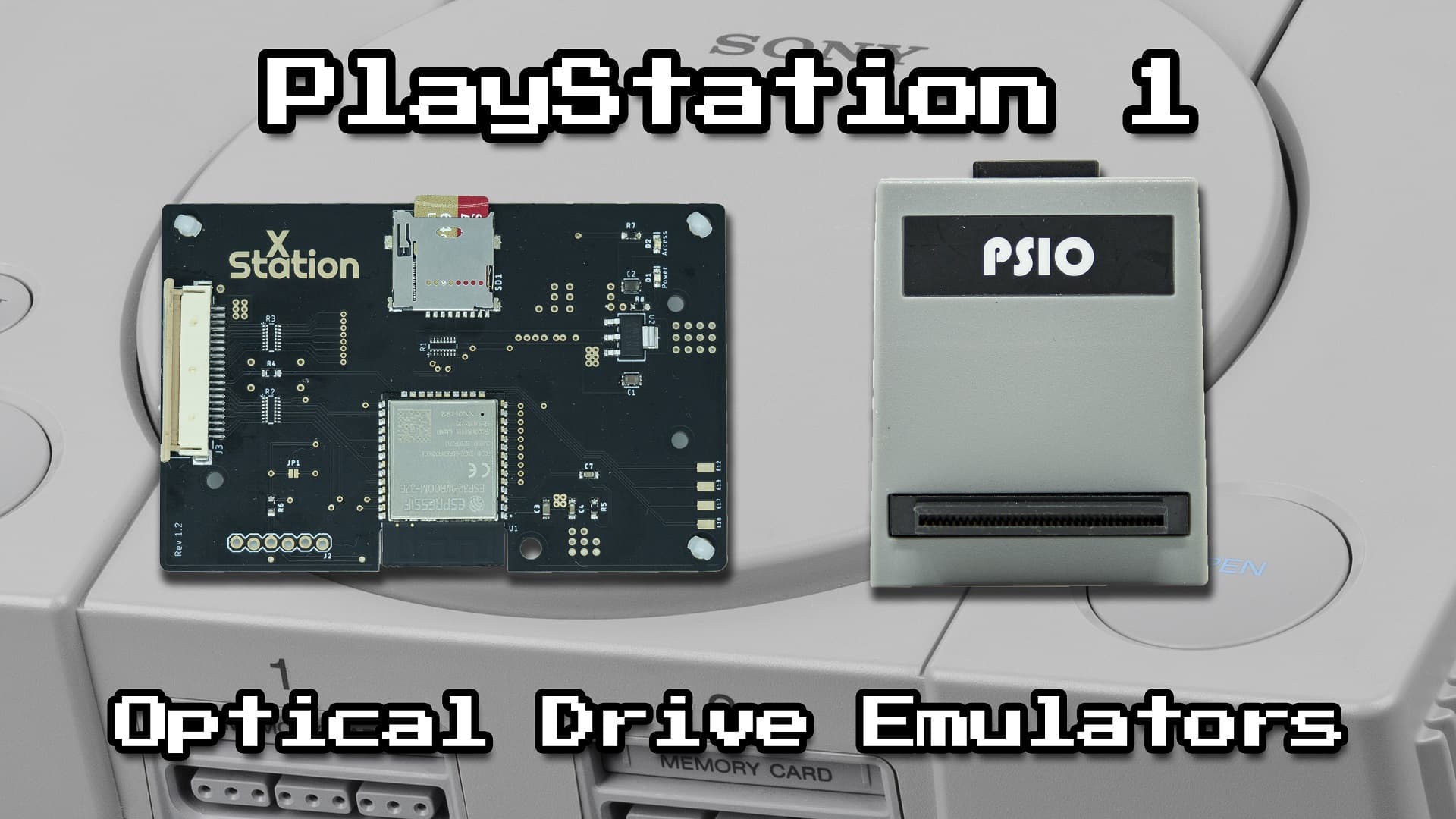
That is the friction point retro hardware buyers will care about most. Existing PlayStation 1 options like PSIO and xStation already set the baseline for compatibility, installation complexity, and feature support, but ArcStation is trying to win on ease. The documentation said most PS1 revisions need only the MOTORS and OPTICAL cables for basic CD-ROM emulation, while early PU-8 motherboards need extra power beyond the optical cable alone. The installation guide also said the case fits both fat PS1 revisions and the PSone, with most fat models installed upright and the PSone flipped upside down because of the shared design. ArcStation said multidisc support was included and that Virtual Memory Card support created one save file per game on the SD card, but it also flagged missing PSone features, including reset-to-menu behavior.
That is why ArcStation matters beyond another preorder page. The original PlayStation launched in Japan on December 3, 1994, reached North America on September 9, 1995, and arrived in Europe on September 29, 1995, and Sony Computer Entertainment’s PS one redesign followed in Japan on July 7, 2000 and North America on September 19, 2000. For owners trying to keep those machines alive without grinding down more discs, ArcStation’s appeal was never about novelty. It was about how close a plug-and-play PS1 ODE could come to feeling like the original drive was still there.
This article was produced by Prism’s automated news system from verified source data, official records, and press releases, then run through automated quality and moderation checks before publishing. The system is built and supervised by the people who set the standards it runs under. Read our full AI policy.
Did this article answer your question?