Ares update tightens file handling, preserving accuracy across 27 systems
Ares’ latest Git cleanup was tiny, but it touched the kind of plumbing that keeps 27 systems sorted, identified, and preservable.
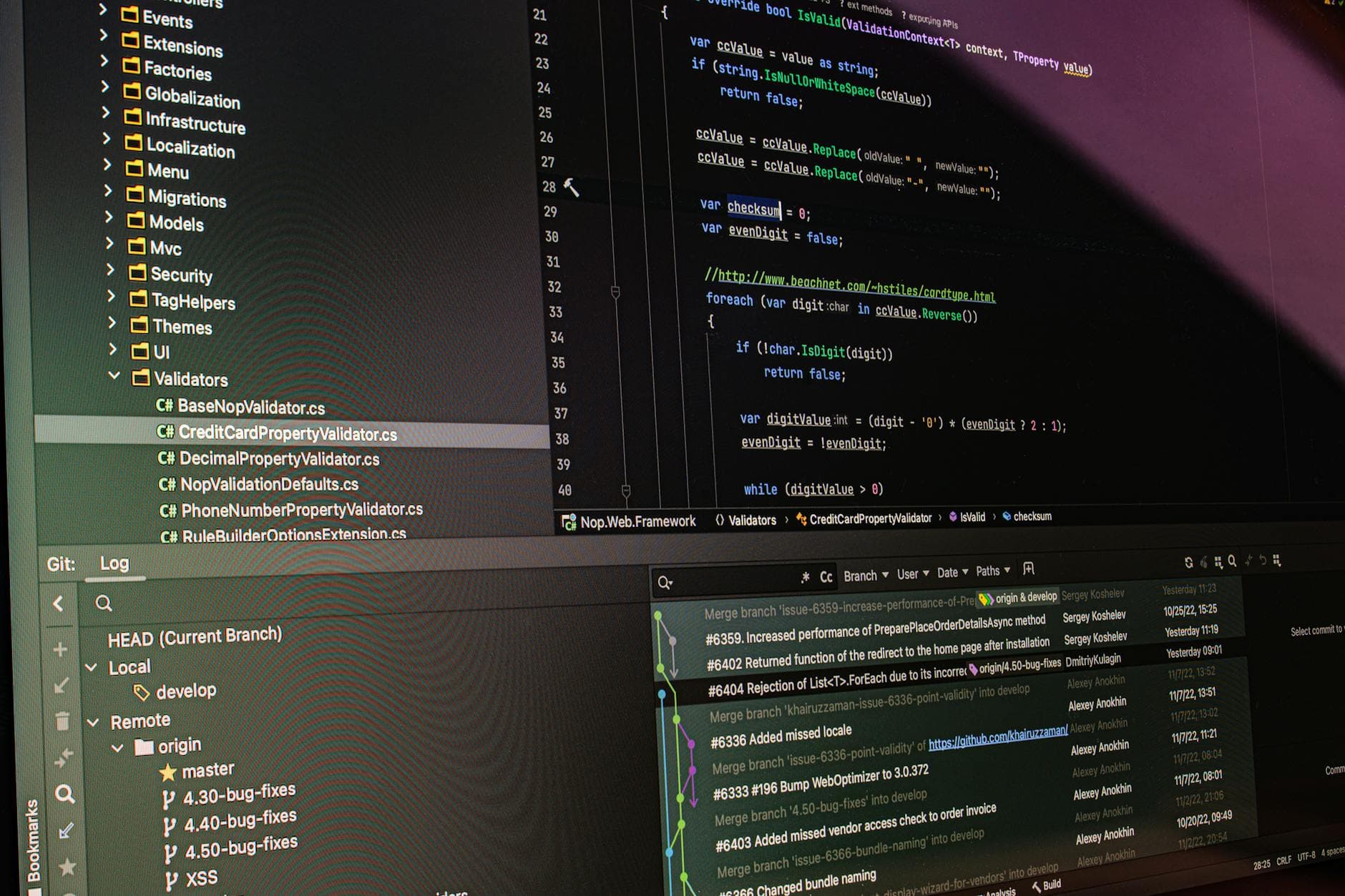
Ares did not land a flashy new system on April 29, 2026. It tightened the boring machinery that keeps a multi-system emulator honest: emux v1.1 removed dashes from instruction names, and mia refactored identify logic so multiple systems can share file extensions more cleanly. In a project that already spans 27 hardware devices, that kind of cleanup matters because file identification is the difference between a ROM being routed correctly and a frontend or library manager treating it like an orphan.
That is why Ares still stands apart from the usual “it runs fine” crowd. The project began on October 14, 2004 as a descendant of higan and bsnes, and its own pitch has stayed consistent ever since: accuracy and preservation first. The GitHub README makes the philosophy plain, saying the emulator trades speed for code clarity and avoids state machines and bitmasks when possible. That is not just a style preference. Readable, self-documenting code is easier to audit, easier to maintain, and easier to trust when the codebase has to juggle everything from Famicom and Super Famicom to Game Boy Player, Mega CD, PC Engine, SG-1000, MSX, ColecoVision, Neo Geo Pocket, and WonderSwan.
The appeal of that approach showed up again in Ares’ release history. Version 147 arrived on December 23, 2025 and added support for the PC-Engine LDROM², also called the NEC PAC add-on, with all currently dumped LDROM² titles playable. Version 146, released on August 26, 2025, became the first emulator to support the LaserDisc-based Mega LD attachment for the LaserActive. Version 145 followed on July 9, 2025, and version 144 landed on April 28, 2025. Against that backdrop, the April 29 Git update looks small, but it fits the same pattern: major hardware milestones backed by quieter infrastructure work that keeps the whole thing coherent.
That coherence is the real story. Ares is not trying to win on brute-force compatibility or raw speed. It is trying to preserve hardware behavior cleanly enough that future fixes do not collapse under their own complexity. When an emulator is already handling 27 systems and still pushing into LaserActive-era oddities like LDROM² and Mega LD, even a modest refactor in how files are identified is part of the preservation job.
This article was produced by Prism’s automated news system from verified source data, official records, and press releases, then run through automated quality and moderation checks before publishing. The system is built and supervised by the people who set the standards it runs under. Read our full AI policy.
Did this article answer your question?