Azahar Git update adds debugging tools and Android fixes
Azahar’s June 15 build sharpened Android usability and added DebugScopes for graphics debugging, making the 3DS emulator friendlier for players and developers alike.

Azahar’s June 15 Git update looked small at first glance, but it hit two places that matter most: Android usability and low-level debugging. The build added DebugScopes to the OpenGL renderer’s rasterizer and texture runtime, plus Android secondary-screen layout and menu improvements, while also tightening up scripted runs with architecture-specific Docker image tags.
For daily Android users, the practical changes are the ones that cut friction. The secondary-screen work, tied to PR #1385 from DavidRGriswold, points to the kind of touch and menu cleanup that makes a 3DS emulator feel less awkward on a phone or handheld. That fits the project’s recent Android streak. On April 7, Azahar defaulted Android to Vulkan and fixed a navigation bar overlap around the Show Home Menu button. On June 17, it went further by forcing Vulkan when OpenGL used ANGLE and logging OpenGL renderer strings. Taken together, those updates show a clear push to make Android builds easier to use and easier to diagnose when something goes sideways.
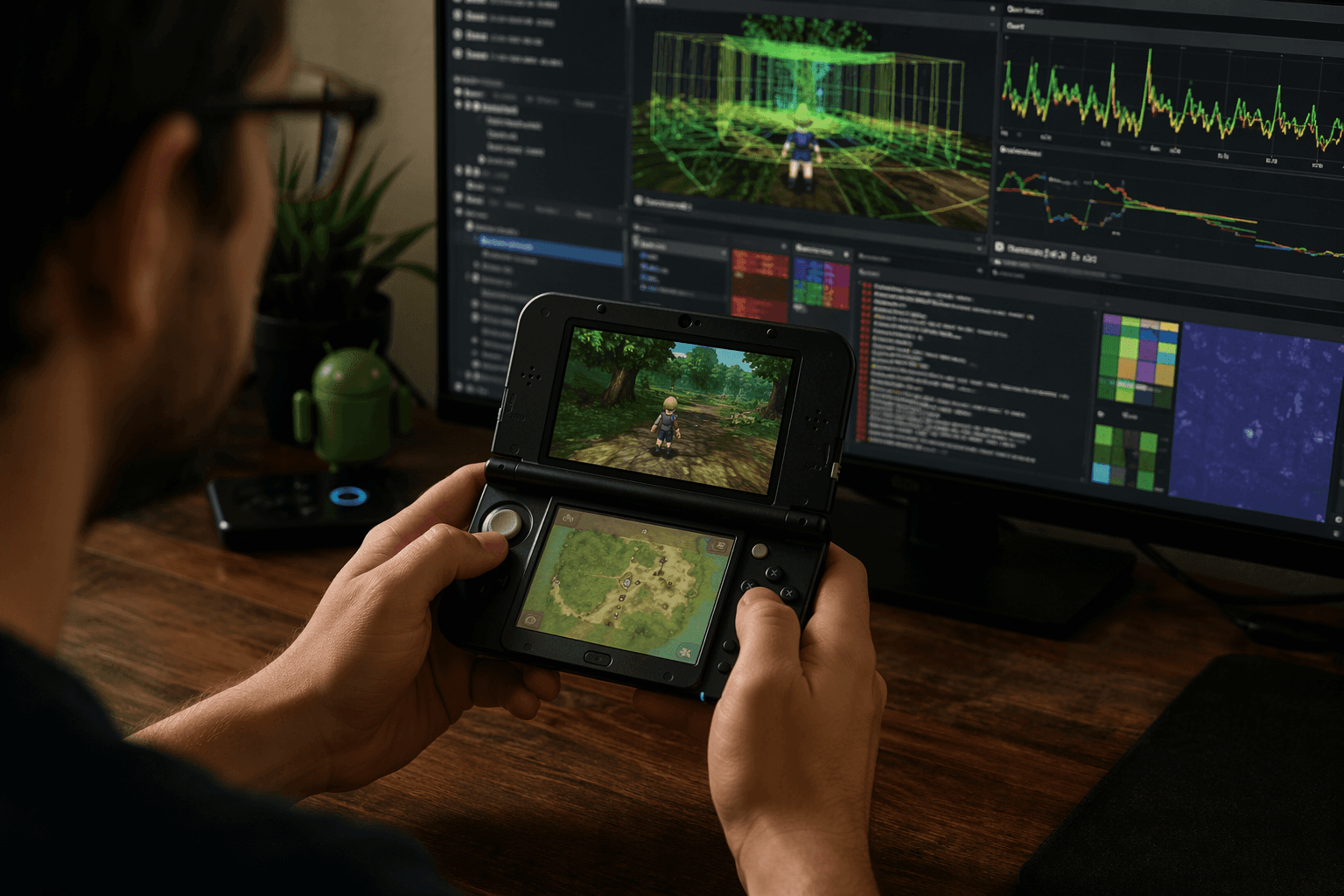
The power-user side of the release is just as important. DebugScopes in the rasterizer and texture runtime give developers better visibility into graphical behavior, which is exactly the kind of tooling that helps untangle the rendering bugs emulation projects are famous for. The same build also included a formatting and style cleanup with ktlint enforcement in CI, a typo fix in Renderer_DelayGameRenderThreadUs, and a fix for disabled cubemap texture units, with known fixes noted for Brain Age: Concentration Training. That is the sort of maintenance work that rarely gets attention outside dev circles, but it is how emulator stability improves over time.
The Docker change matters in a similar way. Architecture-specific image tags make scripted execution more predictable across different host setups, which is a real win if you are testing builds, reproducing bugs, or running automated checks on more than one machine. Azahar’s official site lists Windows, Android, Linux, and macOS downloads, so the project is clearly still serving both regular players and people who want to poke under the hood.
That dual focus is the through line here. Azahar was formed by merging PabloMK7’s Citra fork and Lime3DS after Citra was taken down, and the project says it wants to become the definitive platform for future Citra development. This update did not land as a flashy compatibility leap, but it did exactly what a healthy emulator release should do: make Android play nicer today and give developers better tools to fix the next problem tomorrow.
This article was produced by Prism’s automated news system from verified source data, official records, and press releases, then run through automated quality and moderation checks before publishing. The system is built and supervised by the people who set the standards it runs under. Read our full AI policy.
Did this article answer your question?