Batocera 43 adds Wayland handheld support, reshapes emulator setup rules
Batocera 43 finally gives AMD and Intel handhelds a Wayland path, while Nvidia desktop users stay on Xorg and older emulator setups get pushed onto new rules.
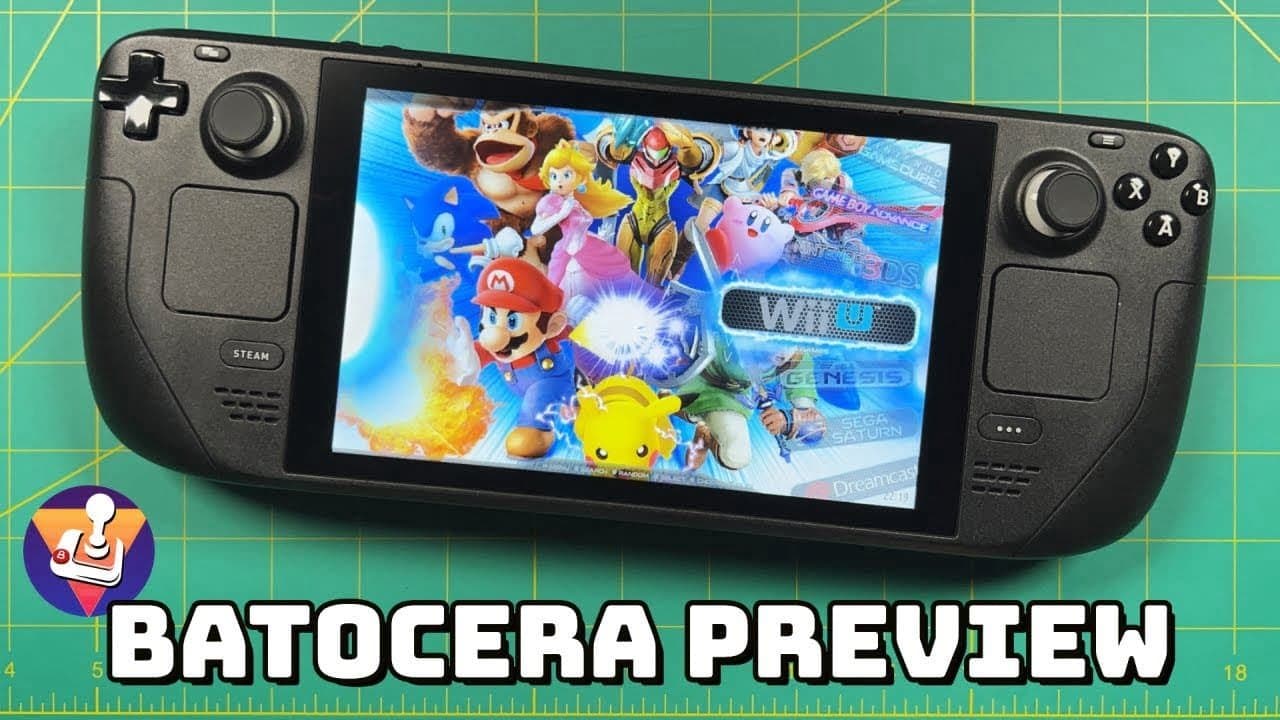
Batocera 43, codenamed Glasswing, is the kind of release that changes what actually boots cleanly on your box. The preferred x86_64-v3 image now supports handhelds with AMD and Intel graphics through Wayland and the LabWC compositor, which is a big deal for compact devices that have been stuck in awkward driver corners. Nvidia support in that same image is still labeled experimental, and Batocera is steering desktop Nvidia users back to the x86_64 image with Xorg if they want stability.
That split makes sense once you remember what Batocera is built to do. The project calls itself an open-source, free retro-gaming distribution that can be copied to a USB stick or SD card and turned into a console, and it still ships in Stable and Butterfly branches for people who want different levels of risk. Batocera 43 went through the usual unstable, beta, rc, restricted-modification and stability phases before landing on May 8, 2026, and the result reads less like a simple version bump than a reset of the rules around how the system is customized.
The biggest behind-the-scenes change is the retirement of custom.sh. Batocera now treats services as the replacement, and those scripts have been supported since v38. Services run at system startup and shutdown, so power users who once relied on one-off custom.sh tricks now have a cleaner path for launch behavior, shutdown tasks and other advanced automation. That shift matters because it turns a fragile habit into something the OS is clearly building around instead of tolerating.
The emulator side got its own hard edges. TheXTech now needs at least version 1.3.7 assets, Azahar Plus has been replaced by Azahar, and 3DS ROMs now need to be decrypted. Batocera also moved to the mainline Nintendo controller driver, so wired and Bluetooth pads may need to be reconfigured. On top of that, legacy Nvidia 340.xx and 390.xx support is gone, with only 470.xx, 580.xx and current 590.xx drivers still in play. Batocera removed the older Dolphin-Triforce emulator because mainline Dolphin now handles Triforce, and it dropped DraStic as well, ending support for the closed-source handheld emulator.
Hardware support is where Glasswing looks most immediate on real devices. The changelog calls out support for Anbernic RG28XX, RG34XX, RG35XX, RG40XX and RG CubeXX variants, plus initial support for AYN Thor and the AYN Odin 2 Mini, support for the Powkiddy X55, and controller and LED updates tied to AYN and Legion Go S hardware. Batocera’s hardware pages also say Thor is supported in 43, Odin 2 was already supported in 42, Odin 1 still is not supported, and the Odin Lite remains incompatible. For anyone building around mini PCs, handhelds or repurposed desktops, this release is about fewer dead ends and more devices that just fit the operating system instead of fighting it.
This article was produced by Prism’s automated news system from verified source data, official records, and press releases, then run through automated quality and moderation checks before publishing. The system is built and supervised by the people who set the standards it runs under. Read our full AI policy.
Did this article answer your question?