Citron-NEO update improves Switch software keyboards, Mario Brothership performance
Citron-NEO’s April 23 build smoothed software keyboards on newer Switch firmware and added Mario & Luigi: Brothership tweaks, two fixes that hit real playability.
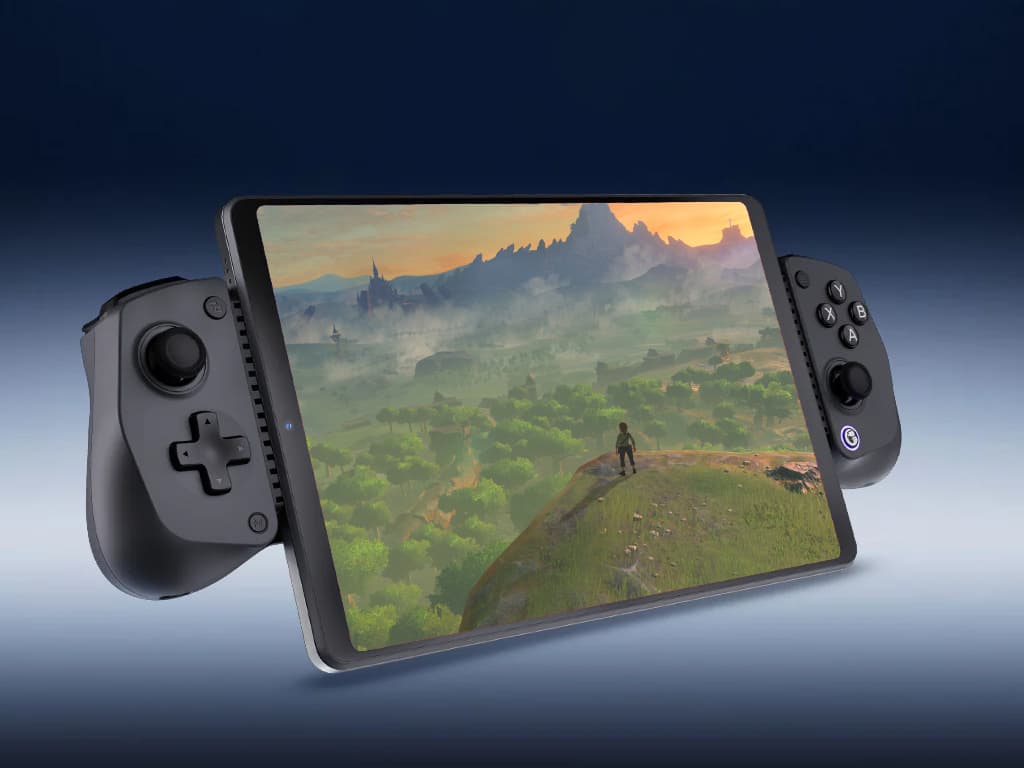
Citron-NEO’s April 23 update went after two of the most annoying Switch-emulation choke points at once: software keyboards on newer firmware and performance in Mario & Luigi: Brothership. That sounds narrow, but it is exactly the kind of fix that turns an emulator from “boots sometimes” into something you can actually use, because keyboard prompts can stall a game at account entry, profile setup, or system dialogs long before the gameplay begins.
The project’s own pitch makes the direction clear. Citron-NEO is built around Vulkan only, and it is trying to do fewer things well instead of chasing universal compatibility. Its site lists support up to firmware 21.2.0 and minimum requirements that include 6GB of RAM, a GT 710 2GB-class GPU, Windows 10 or Android 13 and up, and a Core 2 Quad Q6600 or better. It also says Android support is not guaranteed long term, which makes every Android build more notable than it would be in a project with a firmer mobile future.
That April 23 build fits a release line that has moved fast since Citron-NEO’s first stable build on March 20, 2026. That debut emphasized a new ISBERD implementation, GPU alloc context work, a new GPU decoder, coalesced GPU pagetables, and a Mario Galaxy lag fix. A March 27 build made portable mode the default, and an April 12 update added Steam Deck and GameScope UI adjustments alongside broader interface work. The pattern is hard to miss: Citron-NEO is trimming away friction while pushing specific games and specific hardware setups into better shape.
The keyboard work matters because Switch software keyboard, or swkbd, is a real system applet with normal and inline modes and storage requirements, not just a cosmetic overlay. When HLE support improves there, users feel it immediately in menus and account flows, not just in benchmark numbers. The Mario & Luigi: Brothership tuning is the visible half of the release, though, because Nintendo released the game on October 31, 2024 and its only documented update is version 1.0.1 from February 18, 2025. That leaves emulator-side gains as a major factor in how the game actually runs today.
Citron-NEO sits in the post-yuzu landscape that opened after yuzu shut down in March 2024, following Nintendo’s $2.4 million lawsuit settlement. The newer forks in that space are advancing fastest where players notice it first: menus that finally work, popular first-party games that run better, and builds that feel lean enough to load on a handheld or a midrange PC without a lot of fuss.
Know something we missed? Have a correction or additional information?
Submit a Tip