GameMT E3 Vigor review finds comfort in a cheap handheld package
The E3 Vigor is only worth a look if you want a cheap square-screen handheld that feels comfortable for daily retro play. Its real pitch is 1:1-ish simplicity, not flagship power.
The big problem with cheap handhelds is not whether they boot emulators. It is whether you actually want to keep using them after the novelty wears off, when the screen looks wrong, the shell digs into your hands, and the whole thing feels like a toy you borrowed instead of a device you live with.
What the E3 Vigor is trying to solve
The GameMT E3 Vigor lands in that familiar budget bracket at $59.99, with a 128GB package listed at $79.99. That pricing puts it squarely against the usual under-$100 crowd, where the real question is never “can it run retro games?” but “does it make sense for the systems you actually play?” The answer here is tied to comfort and format more than raw ambition.
Its best argument is not that it tries to outmuscle the competition. It is that it aims to be easier to live with every day, especially if your library leans toward classic systems that feel natural on a square display or lighter 3D workloads that do not need brute force. That is the lane where a cheap handheld earns its keep: not as a showcase piece, but as the device you reach for because it fits the job.
The hardware tells you where the compromises are
The E3 Vigor comes with a 4 to 8 hour battery estimate, 2.4GHz Wi-Fi, no Bluetooth, a 3.5mm audio jack, microSD expansion, USB-C, and GameMTOS, an Android-based custom operating system. That is a practical feature set for retro emulation, but it also shows you exactly where GameMT saved money. The lack of Bluetooth is the sort of omission you feel immediately if you expected wireless audio or controller flexibility.

That said, the core connectivity is sensible. USB-C and microSD expansion are the right basics for a budget emulation box, and the 3.5mm jack matters more than people admit when a handheld is meant for couch use, travel, or late-night sessions without extra dongles. The battery estimate is decent rather than exciting, which is exactly what you should expect from a low-cost device that is trying to balance size, screen, and runtime without pretending it is a premium portable.
Comfort is the part that keeps this from feeling disposable
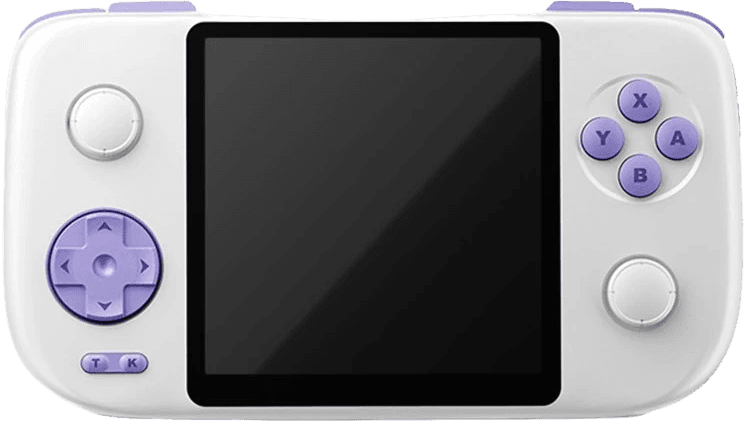
A lot of cheap handhelds fail in your hands before they fail in benchmarks. The E3 Vigor avoids that trap better than its price suggests, even though it still feels cheap. The shell uses smooth white plastic, and there is a hollow feel to it, but it also has enough solidity that it does not seem like it will snap in half during normal handling.
That combination matters because budget hardware often swings too far in one direction. Some devices feel dense but awkward, with sharp edges that punish longer sessions. The E3 Vigor reportedly goes the other way, with rounded edges that make it surprisingly comfortable. If you are used to square, boxy handhelds that leave your palms sore after an hour, that shape alone may be the difference between a device you tolerate and one you keep on the desk.
There is a catch, though, and it is not a small one: quality control still looks inconsistent. Cosmetic marks out of the box are one warning sign, and a separate sample reportedly arrived with a broken shoulder button. That is the sort of thing that matters more on a cheap handheld than on a premium one, because you are buying into a narrower margin for error. A comfortable shell is nice; a reliable shell is what keeps it from becoming a hassle.
Why the square screen is the real selling point
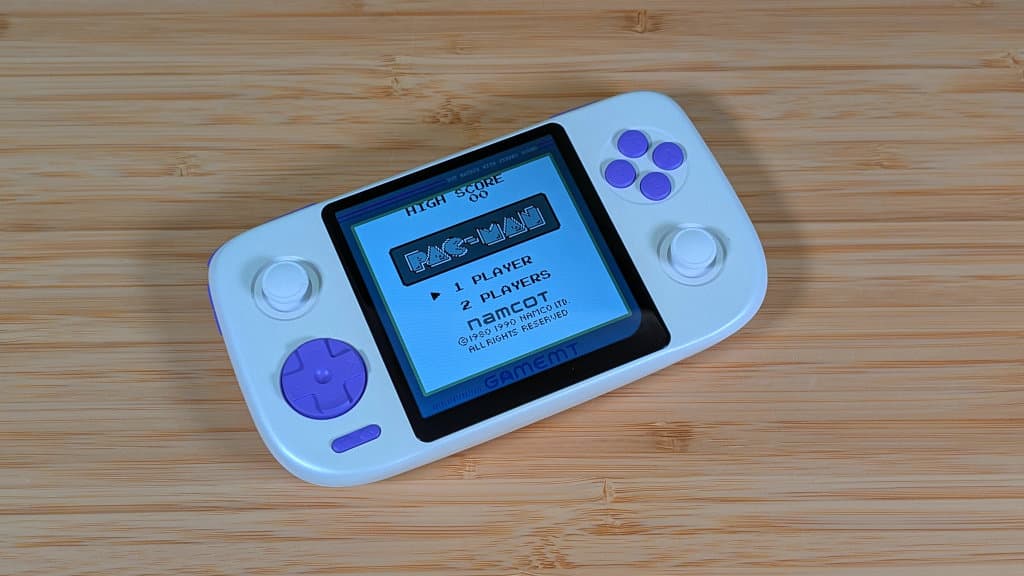
This is where the E3 Vigor becomes more interesting than the usual budget clutter. The broader case for the device is that it is aimed at classic systems and lower-end 3D, and the screen format is a big part of that appeal. A 1:1 display can make older games feel native instead of stretched or awkwardly cropped, especially if you are playing systems that were never meant to fill a wide modern panel.
That makes the E3 Vigor less about technical bravado and more about presentation. If your retro library leans toward handheld-era games, arcade titles, or anything that benefits from a tall, compact image, a square screen can be a genuine quality-of-life upgrade. It is also a better fit for lightweight Android software than people sometimes expect, because the system only has to do a modest amount of work to make the experience feel coherent.
The important part is that this is a use-case machine. If your library is a mix of classics, simple 3D, and front-end browsing rather than demanding upscale projects, the E3 Vigor’s shape and software stack make more sense than a generic widescreen budget handheld. If you want a one-device solution for everything, the limitations show up fast.
Who should actually consider it
The E3 Vigor makes sense if your priority list looks like this:
- A cheap entry point into retro handhelds without chasing flagship performance
- A screen format that suits classic systems better than a standard wide panel
- A body shape that is comfortable enough for repeat use, not just a demo session
- Basic modern conveniences like USB-C, microSD expansion, and a headphone jack
It is a weaker fit if you care about wireless accessories, want the cleanest possible build quality, or expect a budget handheld to feel polished out of the box. The unit’s cheapness is not hidden, and GameMT’s quality-control reputation does not get a pass just because the ergonomics are better than expected.
That is why the E3 Vigor ends up being more defensible than glamorous. It does not pretend to be a premium powerhouse, and that honesty helps. In a market crowded with lookalike budget handhelds, the ones worth your money are usually the ones that solve one real problem well. Here, that problem is simple: making old games look and feel right on a cheap handheld you can actually hold onto for more than ten minutes.
This article was produced by Prism’s automated news system from verified source data, official records, and press releases, then run through automated quality and moderation checks before publishing. The system is built and supervised by the people who set the standards it runs under. Read our full AI policy.
Did this article answer your question?