Half-Life port for Nokia N95 gains big performance and polish upgrades
Half-Life is now running at about 30 FPS on the Nokia N95, with better lighting, particles, AI, and UI turning a stunt into a real playtest.
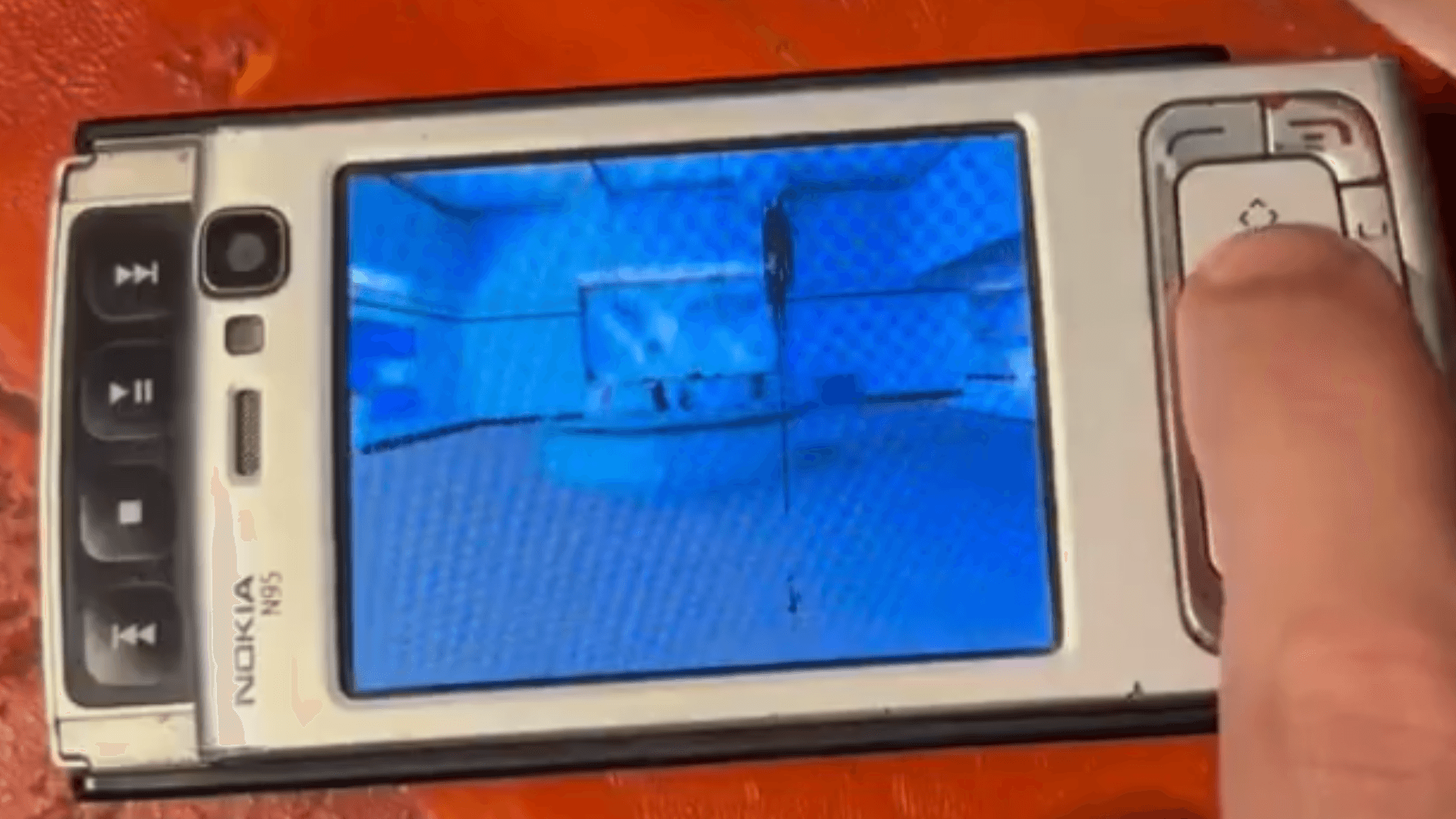
Half-Life is looking far less like a curiosity on the Nokia N95 and much more like something you could actually sit down with. Dante Leoncini’s native ARM port has picked up meaningful gains in framerate, lighting, particle effects, animations, AI, and UI behavior, and the result is simple: Valve’s 1998 shooter is no longer just booting on a 2007 Symbian slider, it is becoming playable.
That matters because the N95 was never built for this. Nokia announced it in September 2006 and shipped it in March 2007 with a 332 MHz ARM11 processor, Symbian OS v9.2, S60 3rd Edition, a 240x320 display, and 64 MB of RAM. It was a flagship phone for its day, not a handheld PC shooter machine, and it definitely did not have a dedicated GPU waiting to make a 3D first-person shooter easy. Leoncini had to work around that hardware gap, which makes the fact that the port is native rather than x86 emulation even more impressive.
The latest builds are reportedly hitting about 30 FPS on the N95, and Leoncini has also added mouse and keyboard support. That changes the feel of the project immediately. A shaky novelty port can be interesting for 10 seconds; a build that holds frame rate, accepts proper controls, and cleans up the rendering enough to make enemies and effects readable starts to look like a real preservation experiment. The remaining beta rough edges are still there, though. One recent update said weapons still needed polishing, along with a few lingering performance and graphics issues, even if the control setup was already complete.

That is the sweet spot for retro mobile tinkering right now. Symbian revival work is still alive in 2026, and the same community that keeps publishing guides and ROM-related tools for the N95 and other legacy Nokia handsets is exactly why a project like this lands with so much force. It is part technical stunt, part archaeology, and part proof that old hardware can still be pushed into places nobody expected.
What makes this Half-Life port worth watching is not just that it runs. It is that the rough edges are getting shaved down one by one, from frame pacing to UI polish, until the N95 stops feeling like a joke candidate and starts feeling like a genuine preservation milestone.
This article was produced by Prism’s automated news system from verified source data, official records, and press releases, then run through automated quality and moderation checks before publishing. The system is built and supervised by the people who set the standards it runs under. Read our full AI policy.
Did this article answer your question?