Howard Price releases HopStation, a learning-focused PS1 emulator on GitHub
HopStation is Price’s readable, heavily commented PS1 emulator for developers, and it already handles many games while leaving clear compatibility gaps.
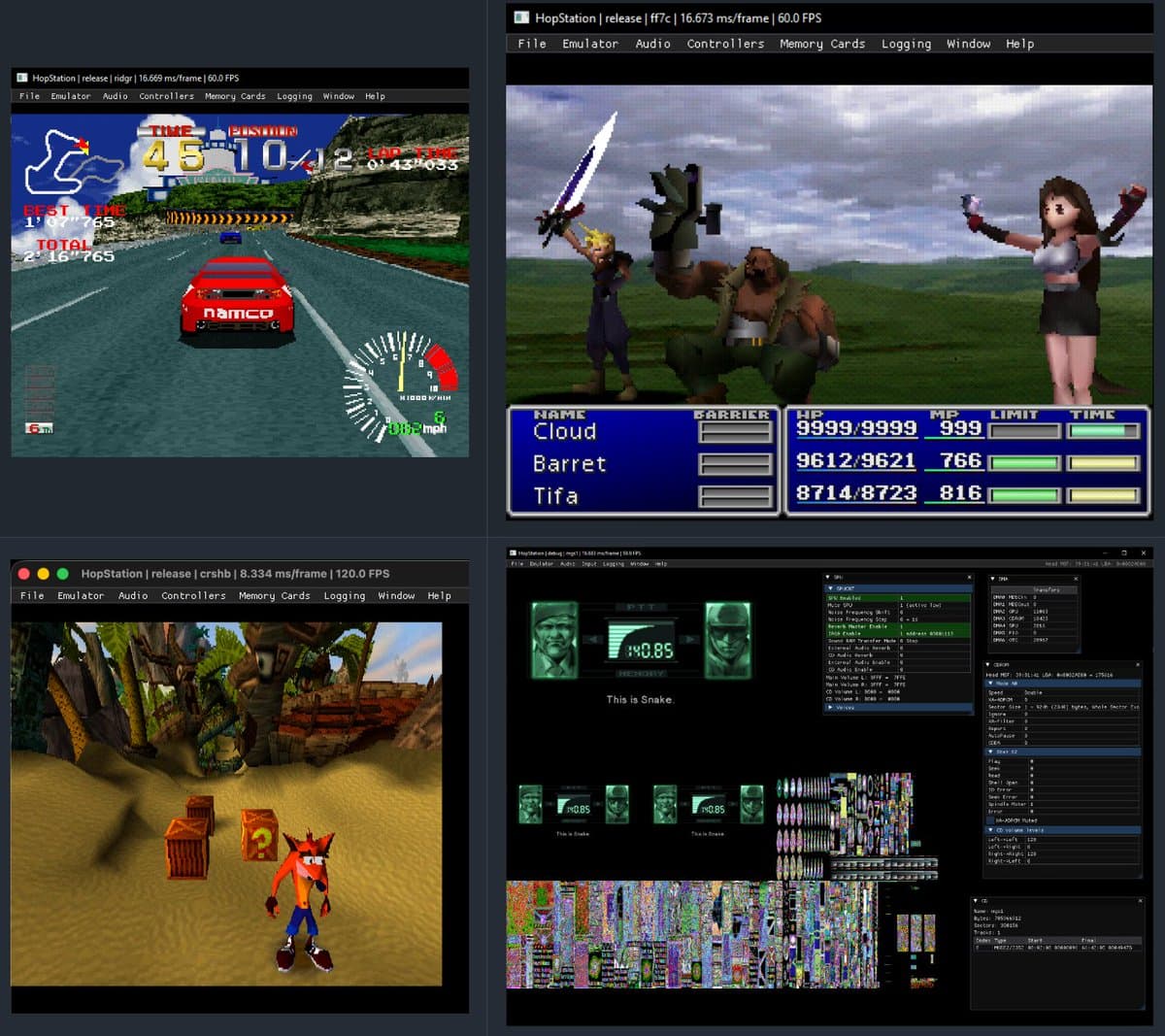
Howard Price has posted hopstation on GitHub, a C++ PlayStation emulator he built earlier this year as a learning project and released as a reference for emulator developers rather than a finished way to play games. The repository describes it as a work-in-progress but fully functional PSX, PS, and PS1 emulator, and at capture it had 23 stars and 4 forks.
Price says the point is to learn how original PlayStation hardware works, learn a RISC CPU, emulate 3D hardware, build a software rasterizer, and test SDL3 and SDL GPU along the way. He also says the code is heavily commented and deliberately favors readability over performance, which makes the project feel less like a consumer emulator and more like a public notebook for how the machine fits together.

That approach shows up in the codebase itself. HopStation emulates the R3000 CPU, GPU, DMA controller, interrupt controller, CD-ROM, GTE, SPU, MDEC, and memory cards. It also includes a cross-platform windowed app and a command-line headless app, plus a disassembler, executable sideloading, USB controller input, system logging, a VRAM viewer, and ImGui introspection windows. In other words, this is not just a boot screen and a logo chase. It is built to expose the guts.
Compatibility is still the catch. The README flags buggy CUE sheet parsing, inaccurate CD-ROM emulation, and missing SPU features such as volume sweep and dynamic ADSR. Price says many games now play, but the current limits still affect titles like Tomb Raider, Wipeout, Doom, and Final Fantasy VII. That is exactly why HopStation belongs on a watchlist instead of a daily-driver recommendation: it is interesting because it can already run software, but more interesting because its rough edges point straight at what still needs work.

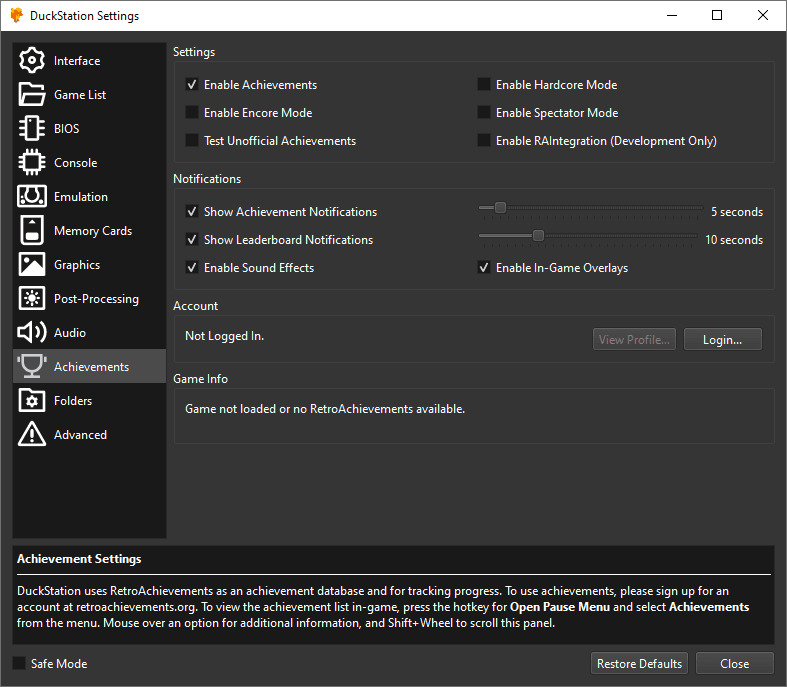
That puts HopStation in a different lane from DuckStation, which focuses on playability, speed, and long-term maintainability, and from PCSX-Redux, which is aimed mainly at development and reverse engineering. PlayStation emulation has been around since the late 1990s, but newer projects from the mid-2010s onward have pushed toward higher accuracy and better tooling. The original PlayStation launched in Japan on December 3, 1994, reached the United States on September 9, 1995, and sold for $299.99 at U.S. launch, which is a long way of saying the platform is old enough that a fresh emulator can still teach something new.
This article was produced by Prism’s automated news system from verified source data, official records, and press releases, then run through automated quality and moderation checks before publishing. The system is built and supervised by the people who set the standards it runs under. Read our full AI policy.
Did this article answer your question?