Project BrickEmuPy could preserve Nintendo LCD handhelds authentically
BrickEmuPy says it has preserved 60+ LCD handhelds, and may be the first to dump Nintendo’s games without losing the screen behavior that made them feel alive.
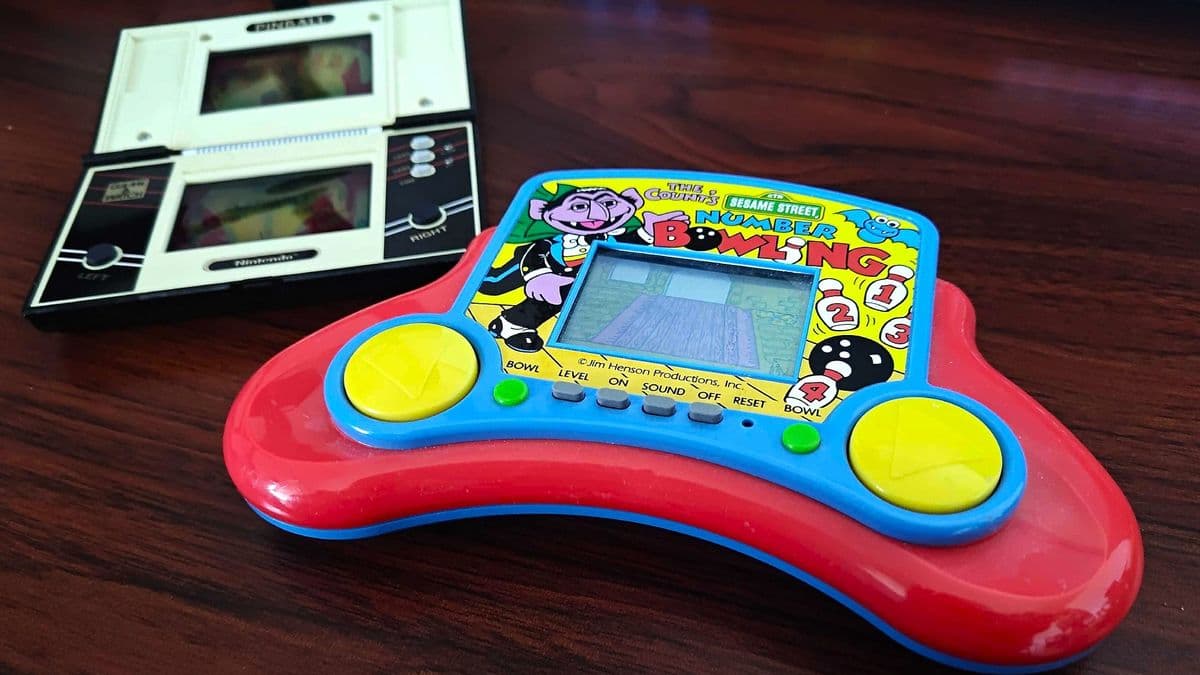
BrickEmuPy says it has preserved more than 60 portable classic LCD games, and GamesRadar+ says the project may be the first to dump Nintendo’s LCD handheld games without stripping away the way those screens actually looked and behaved. That distinction matters because ROMs alone do not save the whole experience. A January 9, 2020 repair note on an original Game Boy said the original LCD was no longer available and there was no aftermarket replacement, a blunt reminder that the panel itself can disappear long before the software does.
The screen quirks were never cosmetic. On the original Game Boy, ghosting softened moving sprites and smeared motion in a way modern panels do not reproduce unless you force it. The Game Boy Color added another layer of specificity: GBCC’s tech notes point out that the RGB subpixels on the GBC display are not the same as those on a modern monitor, so direct RGB output can oversaturate the image, especially purples. In that example, the art itself changes. Colors in Shantae, for instance, can read too hot, and the rocks and shadows in the screenshot GBCC uses as an example lose the softer look that matched Nintendo’s hardware.
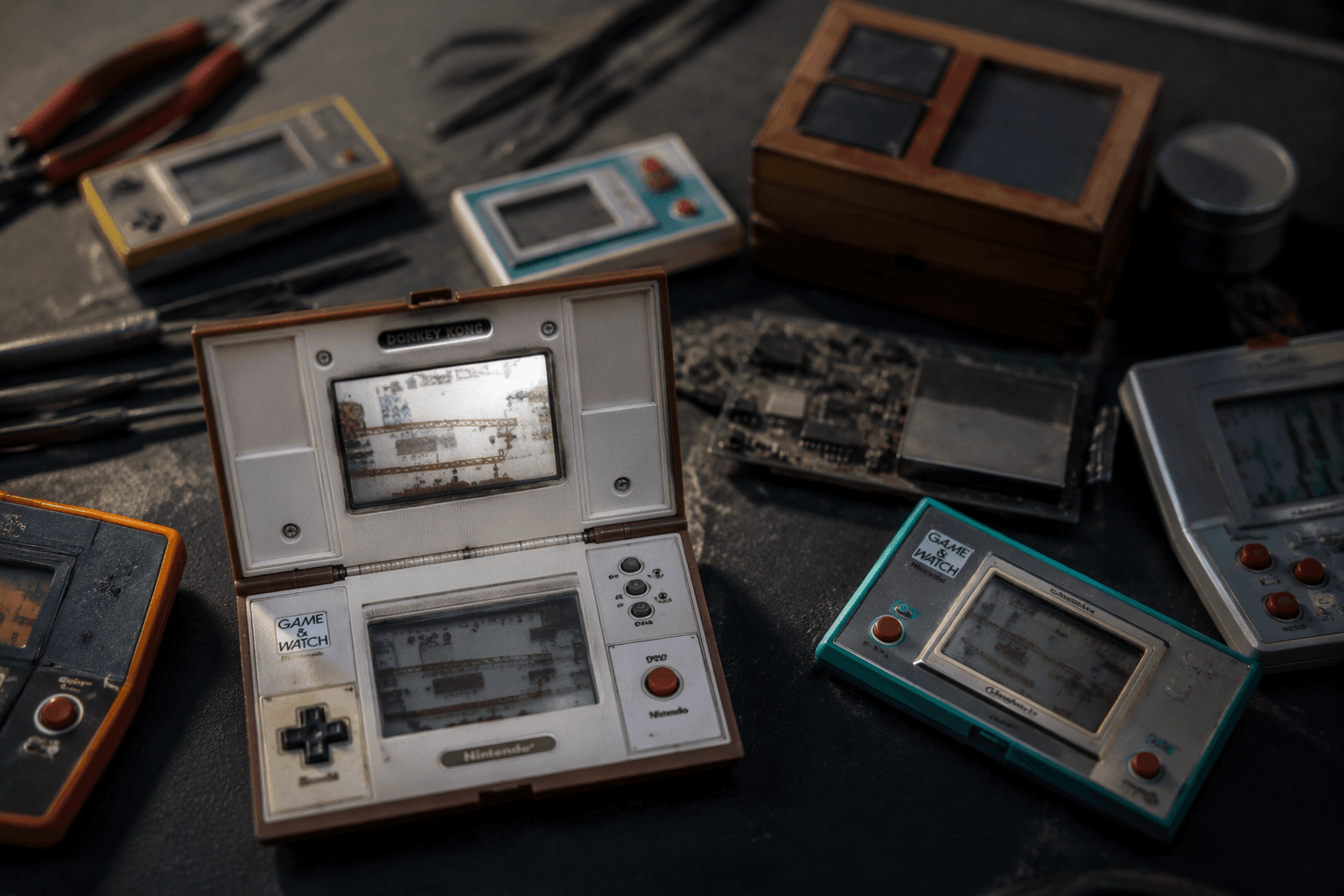
Other handhelds carried their own signatures. Sega’s Game Gear was one of the first color handhelds with a backlit LCD, so its image had a very different contrast and response profile from Nintendo’s monochrome Game Boy. For the Game Boy Advance family, community comparisons of the official handhelds have focused on lag and ghosting because those differences affect how fast action appears on screen and how tightly a player can time inputs. The same game can feel more immediate on one panel and oddly mushy on another.
That is why preservation advocates have kept hammering the same point for years. Digital Eclipse producer Frank Cifaldi’s GDC talk, It’s Still Emulation: Saving Video Game History Before It’s Too Late, and Wendell’s 2021 Level1Techs video, Preserving the Past: In Defense of Emulation, both framed emulation as a way to keep game history accessible before the hardware vanishes. BrickEmuPy fits that argument because it preserves the software and, at least in principle, the display behavior that made those games recognizable.
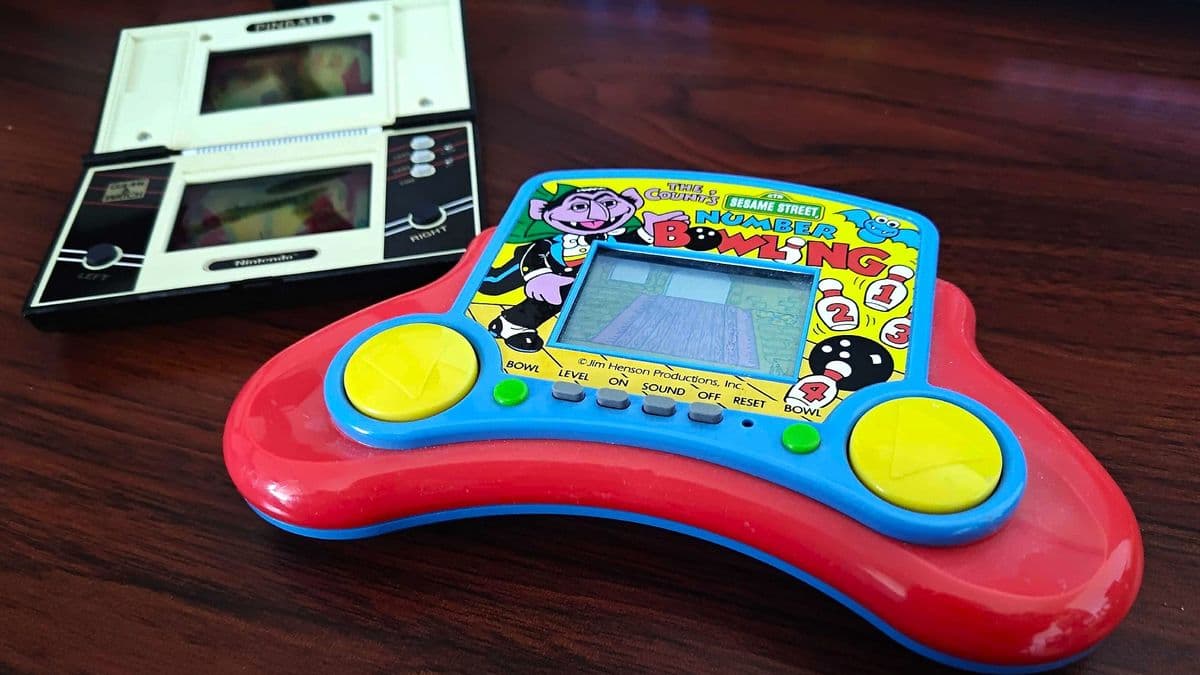
The fastest route to that missing layer is still software emulation with LCD shaders, filters and overlays, the same tools covered in Retro Game Corps’ handheld display guide. Hardware is moving too, but in different directions. Analogue says Pocket supports the 2,780+ Game Boy, Game Boy Color and Game Boy Advance cartridge library, uses two FPGAs with “no emulation,” and calls its panel “the most advanced display in handheld gaming.” That makes it a premium preservation machine, but not yet a screen-behavior archive. Eli Lipsitz’s open-source Game Bub, announced as an FPGA handheld for Game Boy, Game Boy Color and Game Boy Advance, looks like the more obvious place for LCD-authentic experiments if someone wants to preserve the blur, contrast and subpixel oddities along with the carts themselves. BrickEmuPy is pointing at the missing layer clearly: a dumped Game Boy is not fully preserved if its ghosting, contrast and strange little display habits are gone.
This article was produced by Prism’s automated news system from verified source data, official records, and press releases, then run through automated quality and moderation checks before publishing. The system is built and supervised by the people who set the standards it runs under. Read our full AI policy.
Did this article answer your question?