Stop Killing Games Wins EU Support for Game Preservation Laws
The EU hearing put Stop Killing Games on real legislative ground, with more than 1 million signatures and a copyright review now in motion.
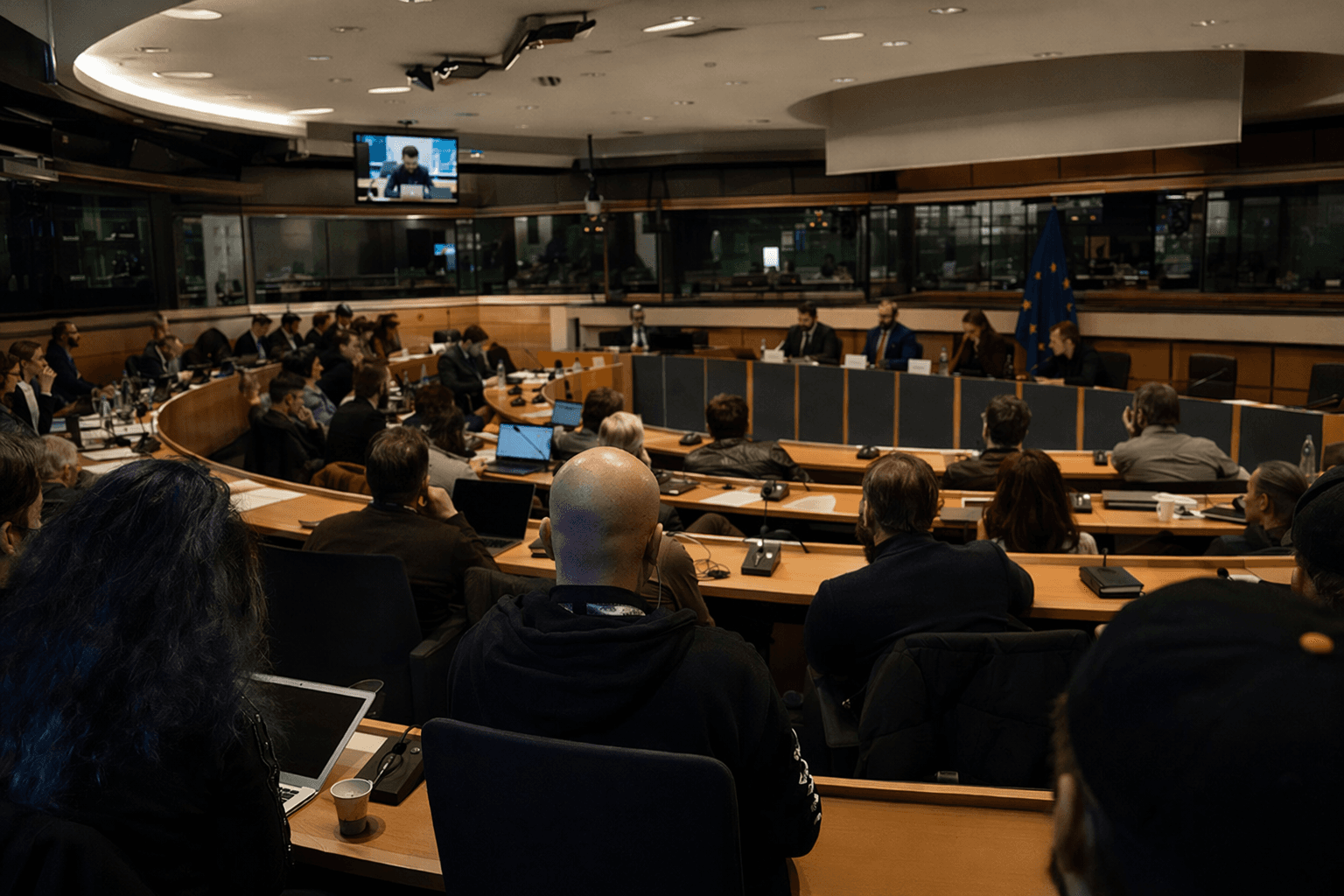
Stop Killing Games just got the kind of attention that could change what happens to delisted and server-dependent games after publishers shut them down. For emulator users and preservation-minded players, that is the practical stakes: if Europe starts treating live-service shutdowns as a consumer-rights problem, more games could remain playable after official support ends instead of vanishing the day the servers go dark.
The campaign began in April 2024 under YouTuber Ross Scott, and its pitch has stayed simple. When a publisher sells a game and later turns off the servers, the product people bought can effectively disappear. That argument has gained real traction, with more than one million signatures and support that now reaches deep into the gaming community. The movement’s case centered on Concord as a blunt example of how a game can become unusable once online infrastructure is pulled.
The big step came during a European Parliament committee hearing on April 16, where Scott and organizer Moritz Katzner presented the argument in person. Chairwoman Anna Cavazzini thanked the founders and said support came from every political group in Parliament. Vice chair Nils Ušakovs went further, saying the issue mattered to millions of digital consumers. European Commission director Giuseppe Abbamonte also committed to reviewing the copyright rules that let publishers pull the plug, with a response promised by July.
That is why this matters beyond one campaign. If the EU forces publishers to preserve basic offline functionality, provide end-of-life options, or otherwise prevent total loss of access, it would set a precedent that reaches far beyond one storefront or one live-service title. Preservation groups would have a stronger legal foothold. Publishers would have to plan for shutdowns as part of product design, not as an afterthought. Players who buy digital games would gain a better argument that ownership should mean more than temporary access to someone else’s servers.
Ross Scott called the outcome close to ideal, while Katzner warned that actual policy change still had a long road ahead. Even so, the hearing moved the issue out of internet activism and into formal political discussion. For retro game preservation, that is the kind of shift that can ripple outward for years, especially as more modern games age into the same dead-server problem emulation has been fighting for decades.
This article was produced by Prism’s automated news system from verified source data, official records, and press releases, then run through automated quality and moderation checks before publishing. The system is built and supervised by the people who set the standards it runs under. Read our full AI policy.
Did this article answer your question?