VisualBoyAdvance-M Dev Build April 2026 Aids GBA Preservation Testing
A week of daily VBA-M dev builds culminated April 5; here's how to evaluate incremental GBA emulator updates without breaking your verified setup.
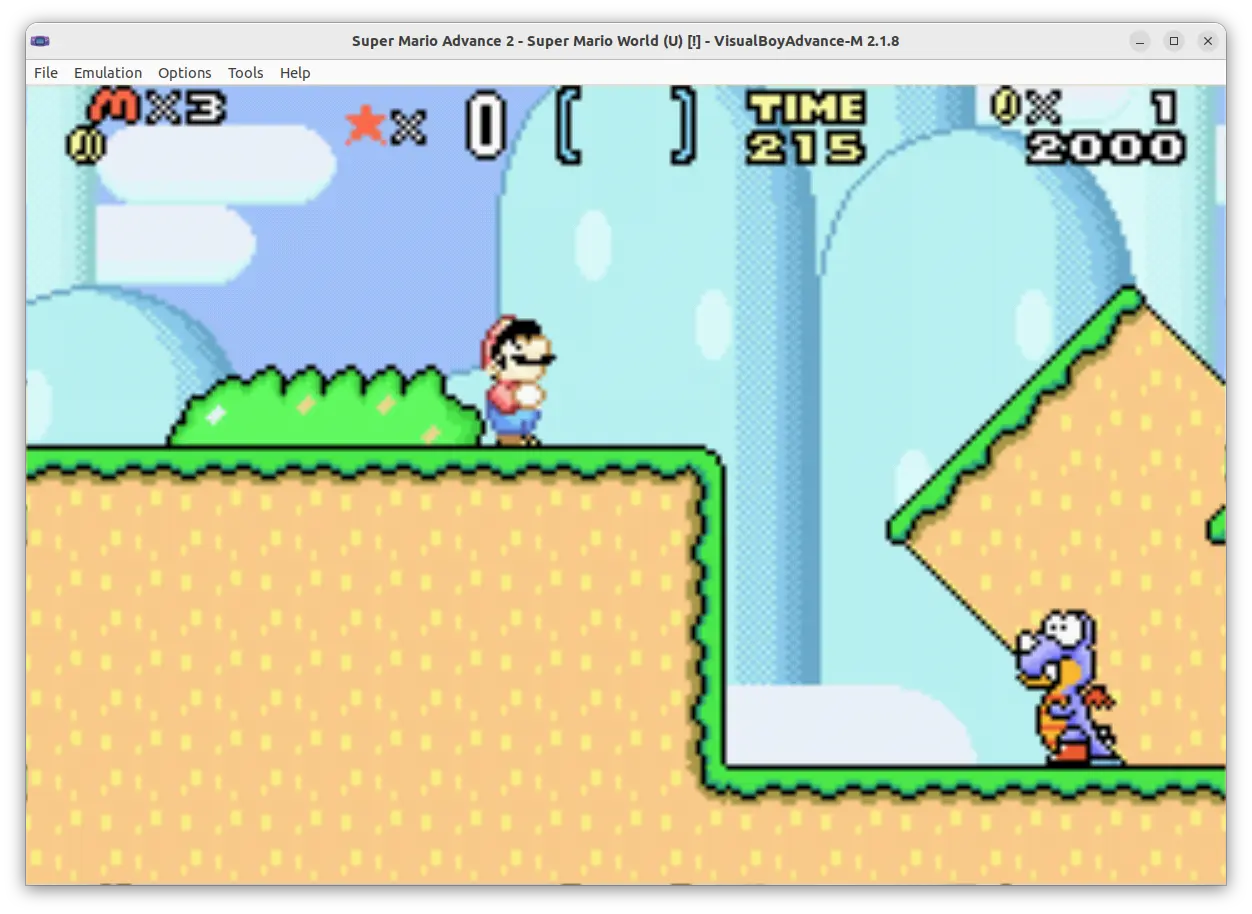
VBA-M has been shipping daily Git snapshots all week, and the April 5 build arriving via EmuCR caps a concentrated push that added an entirely new Vulkan rendering path, MoltenVK support for macOS, and static library updates across April 2 through 4. For anyone running a GBA preservation or regression setup, that pace is both a gift and a hazard.
The cadence matters because GBA emulation, despite its maturity, still harbors genuine edge cases: mid-scanline DMA timing, audio sequencer quirks, unusual SRAM and flash save types, and affine background glitches can all surface differently across builds. One upstream commit that preceded this week's run fixed how affine background reference points for BG2 and BG3 update during HBLANK and VBLANK intervals, correcting the wavy and perspective effects that titles like Pinball Tycoon depend on for their status bars. That kind of fix can resolve a longstanding compatibility failure in any given snapshot and just as easily introduce a regression somewhere adjacent.
The safest approach when a new build drops is to treat it as parallel rather than as a replacement. VBA-M ships as a portable executable on Windows and macOS, which means keeping multiple dated builds in separate folders costs almost nothing. Label a folder "known-good-YYYYMMDD" when a build passes your standard test set and leave it untouched. The project maintains an official nightly build infrastructure for Windows and macOS that provides a stable reference point independent of EmuCR's compiled artifacts, useful when you need to rule out a build-environment variable before filing a bug.
For quick regression checks, four title categories expose the most common GBA emulation failure modes. Run a title that uses SRAM saves with active battery-backed behavior: Pokemon FireRed is the community's default canary here. Then test a title with affine scaling, since that is precisely where the BG reference point timing fix lands. Next, confirm a DMA audio title plays back without pitch artifacts, as the Castlevania GBA entries are reliable stress tests for that path. Finally, exercise any ROM that stubs serial link behavior if you maintain a multi-cart archive. If all four pass identically between your known-good build and the new snapshot, you have reasonable confidence to promote it.
Save-state compatibility is where things get genuinely risky across rapid dev cycles. The April 2 through 5 builds introduced a full Vulkan renderer, shifting significant internal rendering state. Save states written under a build that predates a renderer change can sometimes deserialize incorrectly, producing garbled graphics or a crash on resume. For preservation testing, always verify behavior from a cold boot and record the specific build identifier from the EmuCR filename, the host operating system, and a runtime log export from VBA-M's built-in logging when behavior deviates. If you're filing a bug on the upstream tracker, a clean reproduction from the master branch with detailed reproduction steps is what actually moves an issue forward.
The week's Vulkan work, while not a GBA accuracy improvement in the strict sense, matters for long-term preservation infrastructure. For macOS users on Apple Silicon, the MoltenVK static library integration in the April 3 build was particularly significant, since Vulkan on that platform has historically required manual dependency management that complicates reproducible builds. A stable cross-platform renderer removes a category of visual difference that can otherwise obscure genuine emulation inaccuracies when comparing results across machines.
EmuCR is a convenient stop for quick binaries, but cross-referencing the EmuCR date against the upstream Git commit history takes under two minutes and tells you exactly what code you're running, which matters when you need to attribute a behavior change to a specific commit rather than a date range. That discipline, more than any individual build, is what keeps a preservation pipeline trustworthy over time.
This article was produced by Prism’s automated news system from verified source data, official records, and press releases, then run through automated quality and moderation checks before publishing. The system is built and supervised by the people who set the standards it runs under. Read our full AI policy.
Did this article answer your question?