bincode-next reaches v3 stabilization with verifiable release pipeline
bincode-next’s v3.1.1 release turns stabilization into a supply-chain story, with GitHub OIDC and signed tags built into the path to ship.
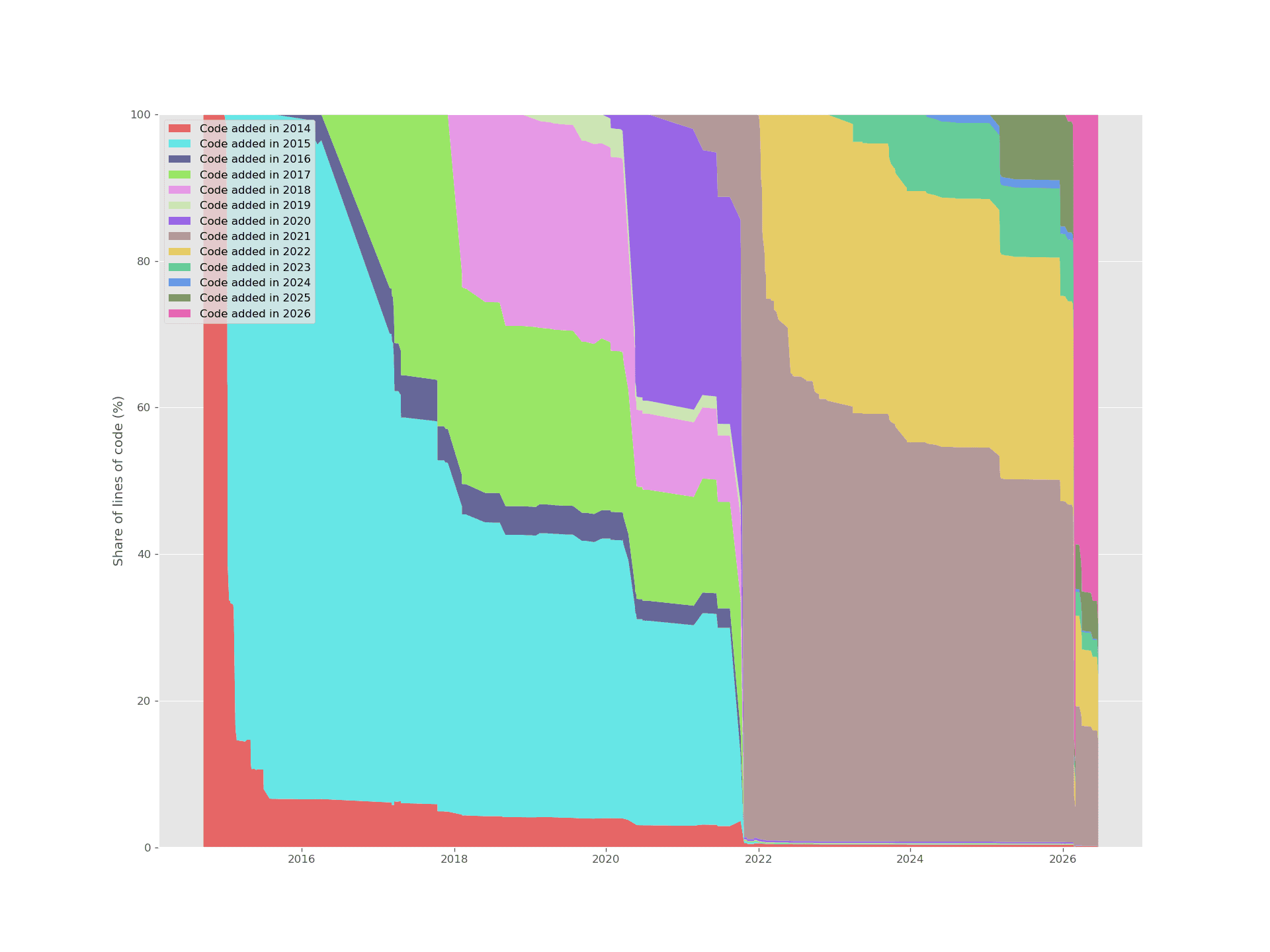
bincode-next’s v3.1.1 release is less about a flashy new feature set than about proving the crate can ship stable bits with a verifiable pipeline. The project calls it a v3 stabilization release, and the odd-looking version number matters: workflow problems in a release process tied to GitHub OIDC and signed tags forced maintainers to skip a few version numbers and begin the v3 line at 3.1.1 instead of a clean 3.0.0.
That choice puts the release mechanics in the foreground. Signed tags and OIDC-backed automation are doing more than polishing the process, they are part of the maintenance promise. For a crate that sits in Rust’s serialization layer and gets pulled into downstream code for storage, IPC, and network protocols, the ability to show how a release was produced is as important as the release itself.

The crate’s own docs frame bincode-next as a tiny binary serialization strategy that turns in-memory objects into bytes and back again. Serde is now optional rather than mandatory, which gives the project a split personality that is useful in practice: it can still fit the classic serde ecosystem, but it also supports its own derive and configuration path for users who want to stay closer to the crate’s native API.
That is the real signal in the stabilization line. bincode-next is not trying to reinvent binary serialization from scratch. The repo and package descriptions position it as a modernized fork meant to keep the original bincode format alive after maintenance on the original project stopped, with performance and continuity taking priority over a wholesale redesign. The v3.1.1 tag says that work is no longer just experimental. It is being carried forward as an actively maintained line with a release process designed to be checked, repeated, and trusted.
For teams already using bincode-next, the practical reading is straightforward: v3 stabilization lowers the risk of treating the crate as a moving target, while the GitHub OIDC and signed-tag pipeline raises the bar on release confidence. For teams still deciding whether to adopt it, 3.1.1 is the kind of version number that says the crate is alive, the maintenance path is deliberate, and the pipeline is part of the product.
This article was produced by Prism’s automated news system from verified source data, official records, and press releases, then run through automated quality and moderation checks before publishing. The system is built and supervised by the people who set the standards it runs under. Read our full AI policy.
Did this article answer your question?