BullMQ launches native Rust release for Redis-backed job queues
BullMQ’s first stable Rust release 1.0.0 lands on crates.io as bullmq-official, bringing async Tokio queues into Rust without a Node.js bridge.
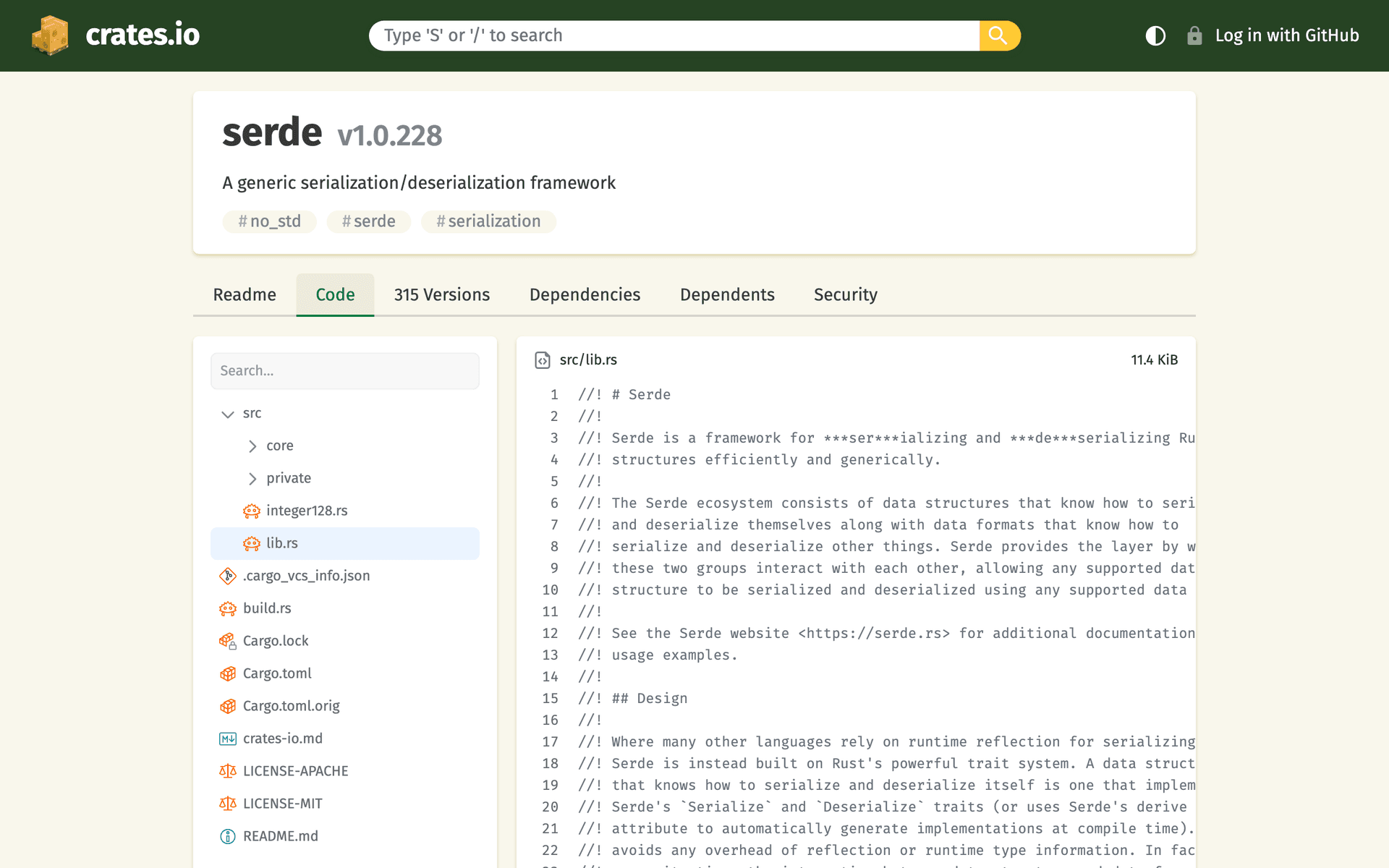
BullMQ published its first stable Rust release, version 1.0.0, on Sunday, July 12, 2026, and packaged it on crates.io as bullmq-official while keeping the import path as bullmq. The move gives Rust developers a native way to use BullMQ’s Redis-backed job queue model in production, built with async/await and Tokio instead of wrapping a Node.js implementation from the outside. For teams already comfortable with BullMQ semantics, that means queue infrastructure can now live inside a Rust service stack without forcing a second language into the deployment path.
The release is not a thin compatibility layer. BullMQ for Rust ships with queues, workers, jobs, FlowProducer, and QueueEvents, along with the operational pieces background systems actually lean on: delayed and prioritized jobs, deduplication, custom IDs, global concurrency controls, rate limits, metrics, queue inspection, retries, backoff, lock renewal, stalled-job detection, cancellation, and lifecycle controls. The initial changelog also lists Queue actions such as add, addBulk, pause, resume, drain, obliterate, clean, retryJobs, and promoteJobs. Worker support covers concurrent processing, pause and resume, job logging, state queries, dynamic concurrency control, cooperative cancellation through CancellationToken, and cron scheduling with croner and chrono-tz, plus TLS and rediss:// support.

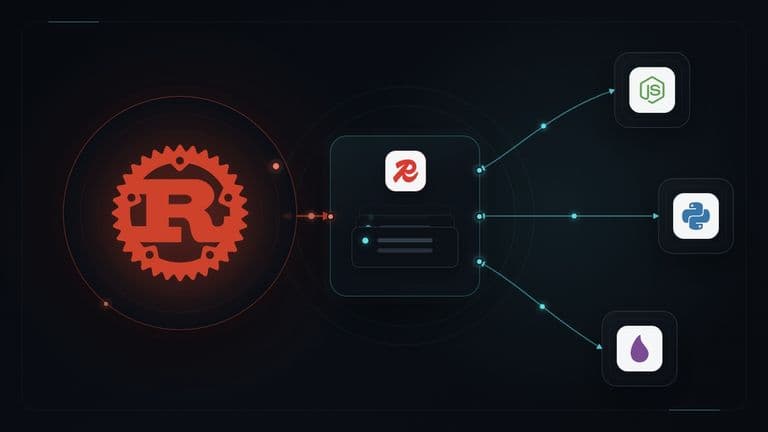
That feature set points directly at the kinds of systems Rust shops actually build: web backends that need background email or billing jobs, event processors that fan work out across workers, and queue-driven pipelines where retries, backoff, and stalled-job recovery are part of the daily routine. BullMQ’s Rust implementation uses the same Redis data structures and the exact same Lua scripts as its Node.js, Python, Elixir, and PHP counterparts, which keeps queues compatible across languages instead of splitting them into separate ecosystems. That matters for mixed stacks, where one service might stay on Node.js while a new worker fleet lands in Rust.
BullMQ says the project is trusted by thousands of companies processing billions of jobs every day and is available across Node.js, Bun, Python, Rust, Elixir, and PHP. The Rust launch also fits a broader product line that has been widening for years, including earlier Rust support noted in the BullMQ news archive on March 21, 2024, plus Python preview support in February 2023 and BullMQ Proxy in March 2024. Taskforce.sh Inc. added another piece of backdrop on January 29, 2026, when it announced SOC 2 Type II certification. For Rust developers, though, the headline is simpler: the queue that used to sit just beyond the language boundary now runs natively inside it.
This article was produced by Prism’s automated news system from verified source data, official records, and press releases, then run through automated quality and moderation checks before publishing. The system is built and supervised by the people who set the standards it runs under. Read our full AI policy.
Did this article answer your question?