pnpm’s Rust rewrite jumps from 0% to over 50% in a month
pnpm’s monorepo went from no Rust to majority Rust in a month, as the package manager shifts installs onto pacquet with a 2x speed target.
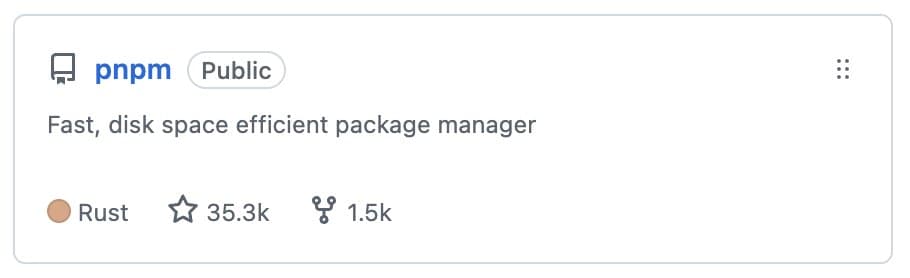
pnpm is no longer dabbling in Rust. In a single month, its repository language mix jumped from 0% Rust to more than 50%, a sharp signal that one of JavaScript’s most widely used package managers is moving real install machinery into a systems language built for speed and reliability.
The rewrite did not arrive as a single big-bang release. pnpm 11.0, released on April 28, 2026, required Node.js 22 or newer, made pnpm pure ESM, dropped the npm CLI fallback for publishing, and added a SQLite-backed store index. By May 20, pnpm 11.2 had added an experimental opt-in to @pnpm/pacquet as the install backend, while pnpm still handled dependency resolution. That split matters: it shows the team is peeling off package-manager internals piece by piece, not just sprinkling Rust around the edges.

Pacquet is the centerpiece of that shift. pnpm describes it as the official pnpm rewrite in Rust, and the transition is staged in two phases. First, pacquet takes over fetching and linking while pnpm continues to create the lockfile. Later, it is meant to become the installation engine more broadly. The pacquet README says that move to Rust is intended to make pnpm at least twice as fast in most scenarios, which gives the rewrite a clear performance target instead of a vague language preference.
The code is already living inside the main pnpm monorepo, where Rust-related directories and pacquet work now sit alongside the rest of the package manager. The standalone pnpm/pacquet repository was archived by its owner on May 14, 2026 and marked read-only, another sign that the Rust port is no longer a side project orbiting the core product. It has been pulled into the center of pnpm’s build.
That broader context is what makes the language chart worth watching. GitHub’s own developer-skills coverage has long positioned Rust as a language developers want to use again, and its 2024 Octoverse said Python overtook JavaScript as GitHub’s most popular language. Against that backdrop, pnpm’s jump from zero Rust to majority Rust reads less like a repository statistic and more like a production package manager betting that Rust belongs in the plumbing of mainstream JavaScript tooling.
This is the part that matters for Rust developers: pnpm is not using Rust as a badge. It is using Rust to rewrite the hot path.
This article was produced by Prism’s automated news system from verified source data, official records, and press releases, then run through automated quality and moderation checks before publishing. The system is built and supervised by the people who set the standards it runs under. Read our full AI policy.
Did this article answer your question?